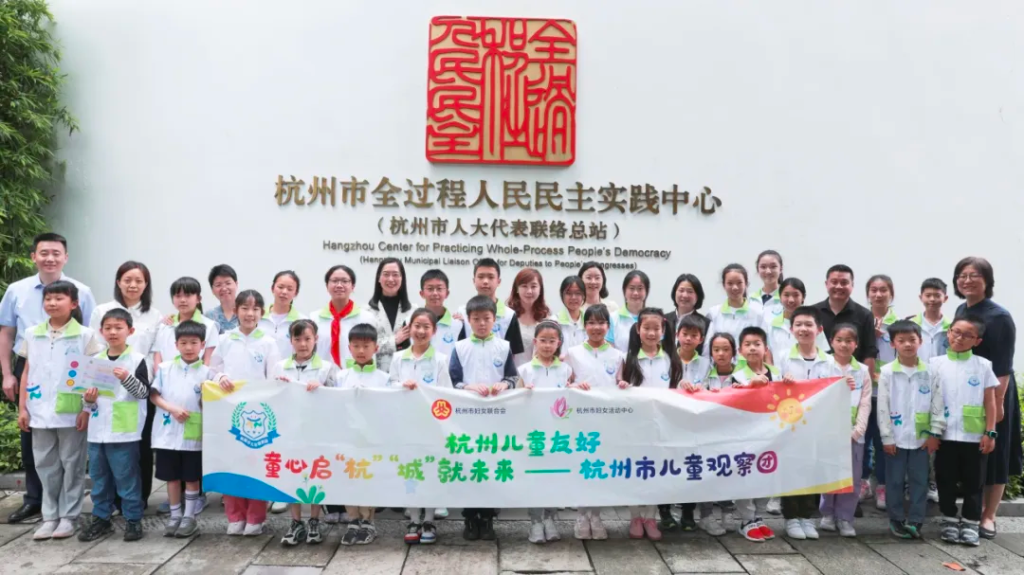
Leveraging the national initiative for child-friendly cities, Hangzhou emphasizes innovative reforms and establishes children’s observation groups. Centered on the idea that “Child-Friendly Makes Hangzhou Better,” the city implements a “1+3+N” model to ensure comprehensive integration of these groups into urban development, fostering a reciprocal relationship between children’s growth and urban planning. The Hangzhou Children’s Observation Group’s activities have garnered attention from media outlets, including China Women’s News and the Hangzhou People’s Congress WeChat account, particularly for their engagement with national representatives.
01 Establishing “One” Alliance to Create New Pathways for Children’s Engagement in Public Affairs
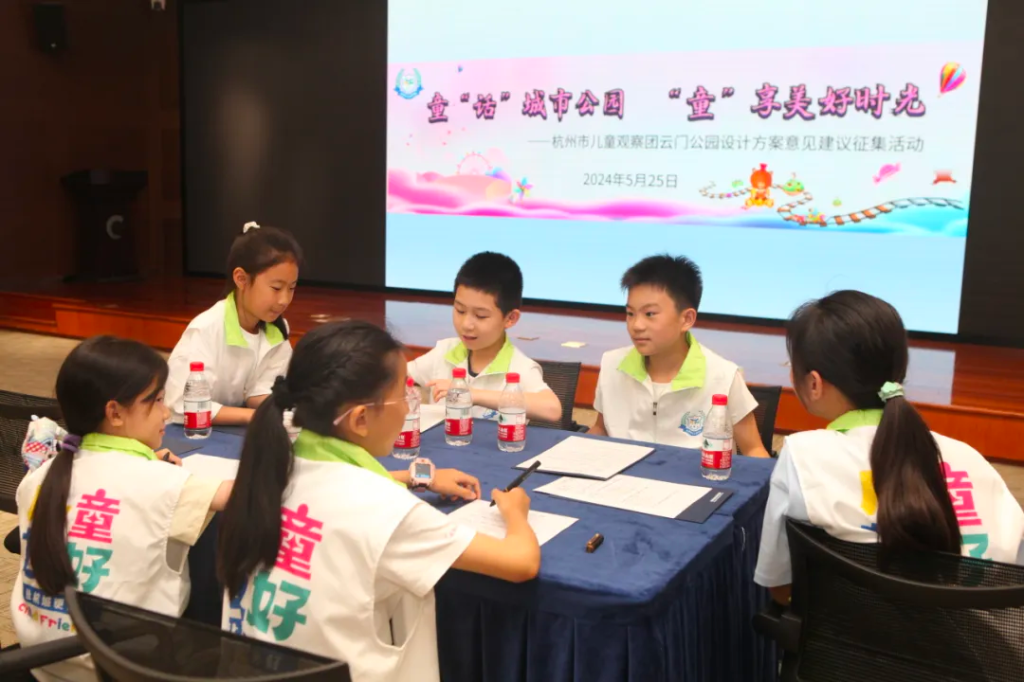
Formation of Children’s Observation Group A municipal-level children’s observation group has been formed, recruiting 70 exemplary child representatives organized into seven sub-teams focusing on areas such as living environments and cultural venues. A rotating leadership system has been established, with a mentoring team that includes representatives from the People’s Congress and various industries, facilitating seven training sessions on enhancing advising skills and observational capabilities.
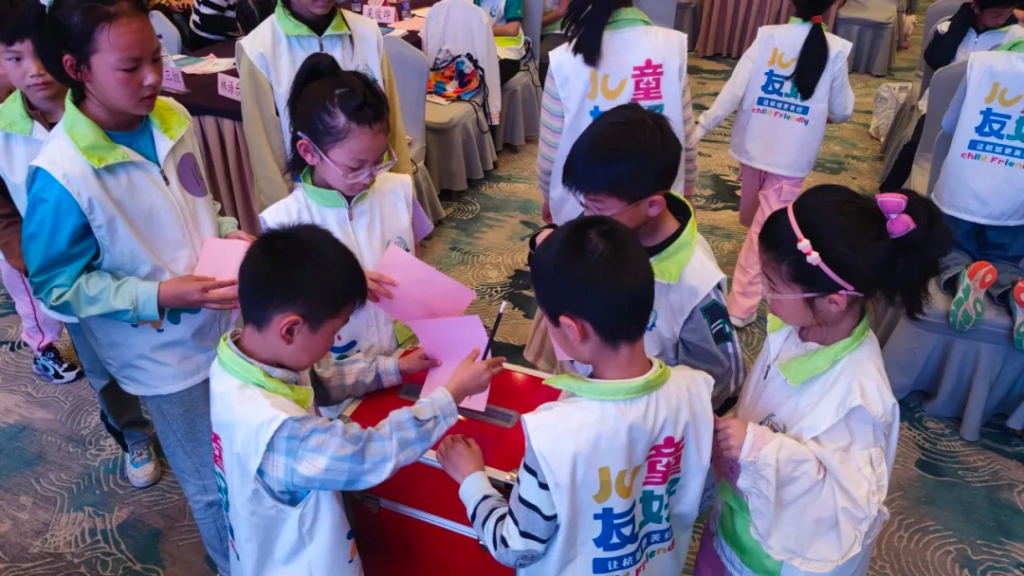
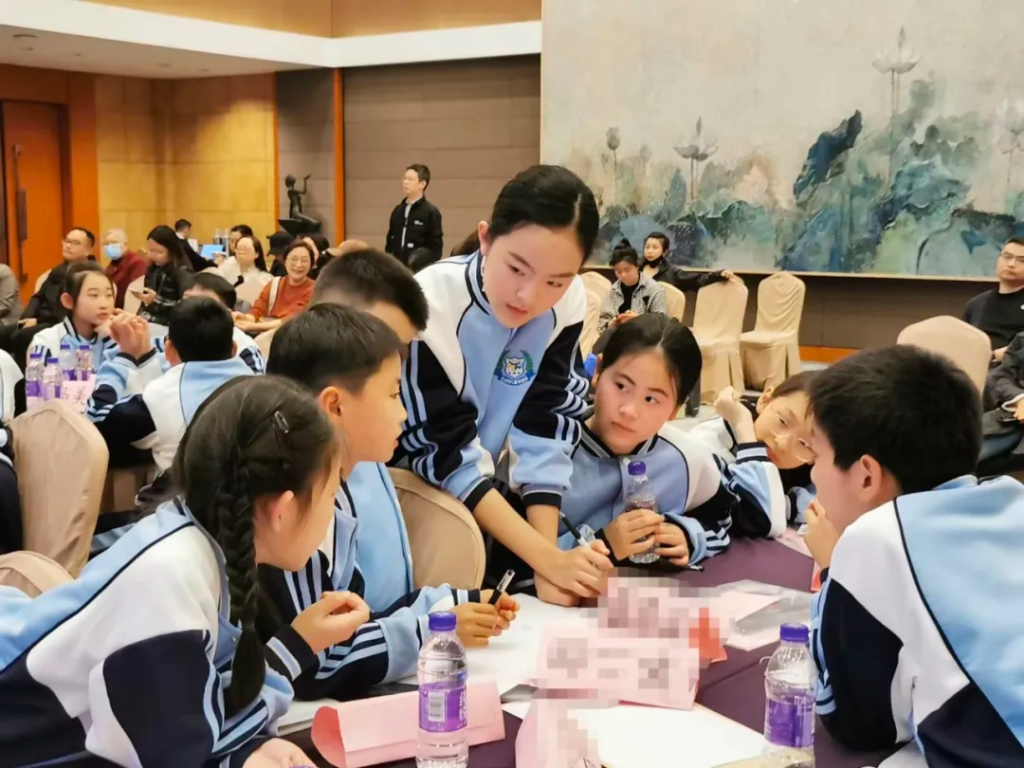
Expanding the Alliance of Children’s Observation Groups Hangzhou has initiated a pioneering alliance of child-friendly observation organizations in the province, incorporating 26 groups from schools and communities. This initiative has fostered the development of 212 various child participation organizations, conducting 401 activities, including discussions and site visits, and generating over 500 suggestions. These efforts have effectively implemented numerous child-friendly services, such as afternoon napping initiatives for 190,000 students and 717 “Knowledge Bus Lines.”
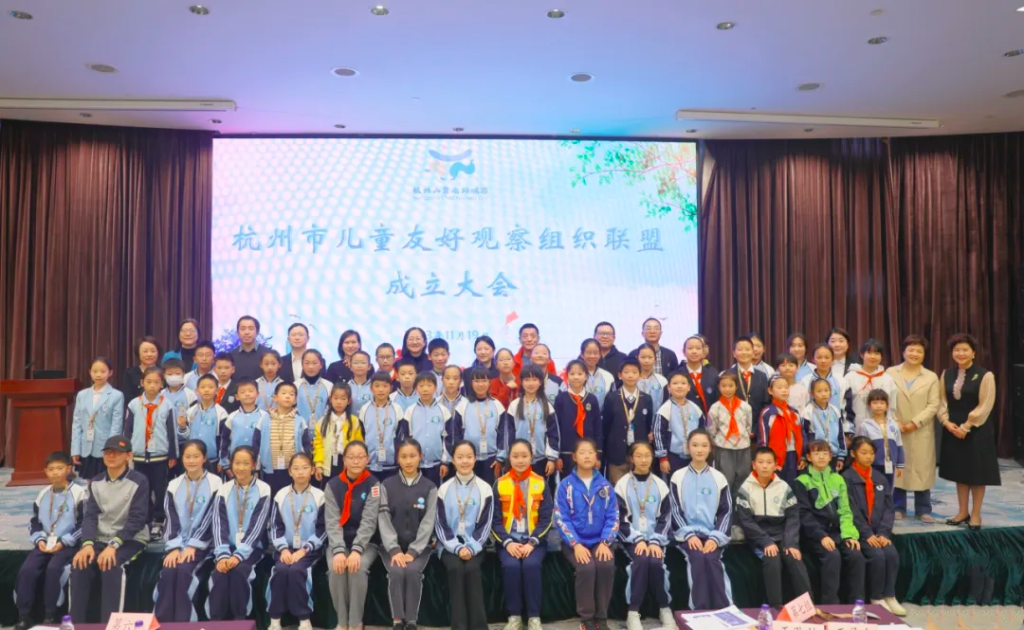
Broadening Channels for Children’s Social Participation Children’s social participation has been integrated into the “Three-Year Action Plan for Building a Child-Friendly City in Hangzhou” and the “Ten Principles for a Child-Friendly Hangzhou.” Activities include children’s involvement in designing the city’s child-friendly logo and theme song, as well as contributing ideas for child-friendly renovations in parks. Discussions from a child’s perspective in Xiangyi Village have also gained national media attention through the program “We Round Table.”
02 Innovating the “Three Roles” Model to Explore New Mechanisms for Children’s Contributions to Urban Governance
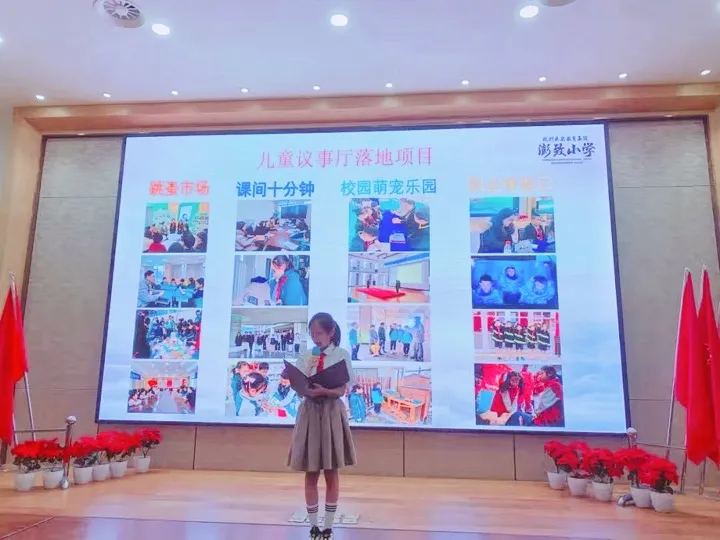
Acting as “Public Sentiment Observers” for Deeper Social Engagement In Yangliu County’s future community, a pioneering child observation organization has been established. A closed-loop mechanism has been created for “Child Initiation—School Collection—Community Undertaking—Department Implementation,” allowing collaboration with universities and businesses on 33 discussion topics. Children, acting as community stakeholders, proposed 12 suggestions for improvements, successfully promoting projects like fitness stations and children’s parking areas.
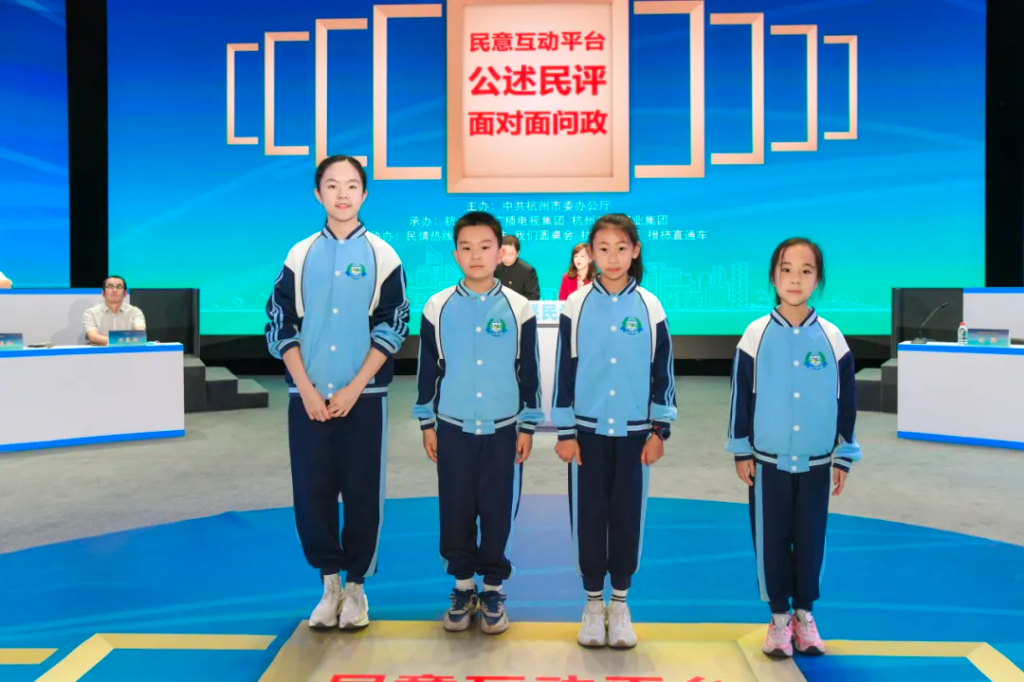
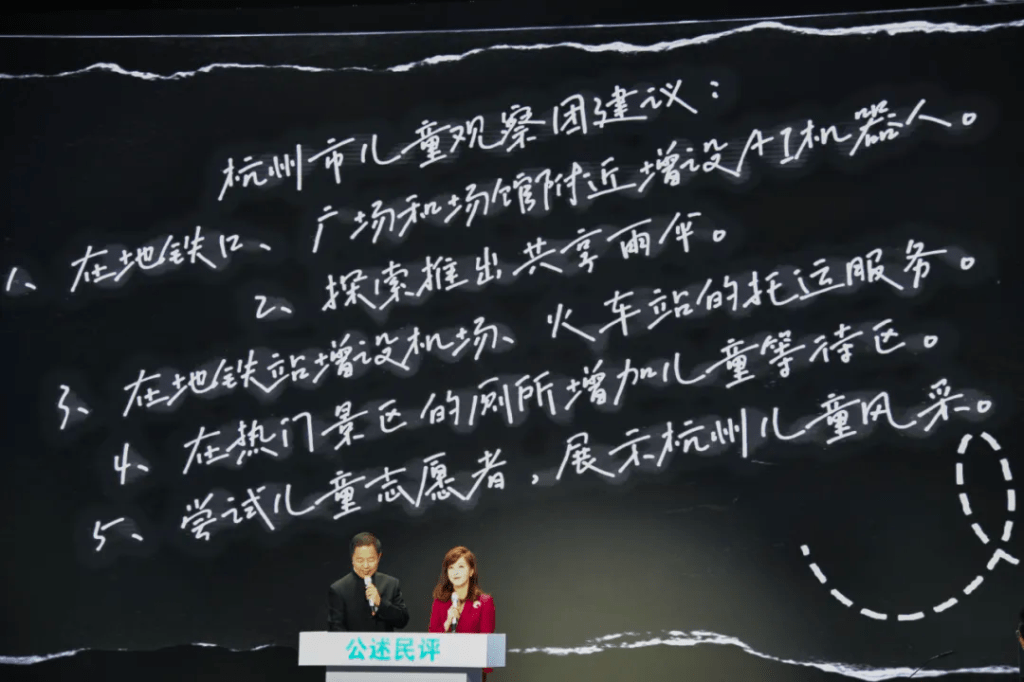
Acting as “Public Welfare Supervisors” to Ensure Caring Initiatives Children observers have participated in Hangzhou’s annual sessions and “Public Evaluation of Government Performance,” where their suggestions have led to practical enhancements like stroller lanes in scenic areas and safety improvements throughout the subway system. Furthermore, 175 children’s parking lots have been established, and their proposals for optimizing public mother-baby rooms received accolades in the youth simulation political consultative conference.
Acting as “Safety Promoters” to Strengthen Volunteer Efforts In response to the rise in telecommunications fraud, the children’s observation group proposed collaborative anti-fraud initiatives. In Gongshu District, volunteers partnered with community members to conduct anti-fraud education in local shops, while Qiantang District organized safety promotion efforts with youth from police schools. Over a thousand safety outreach activities have been conducted this year, involving 21,500 children.
03 Creating “N-in” Platforms to Foster New Models of Children’s Integration into Urban Development
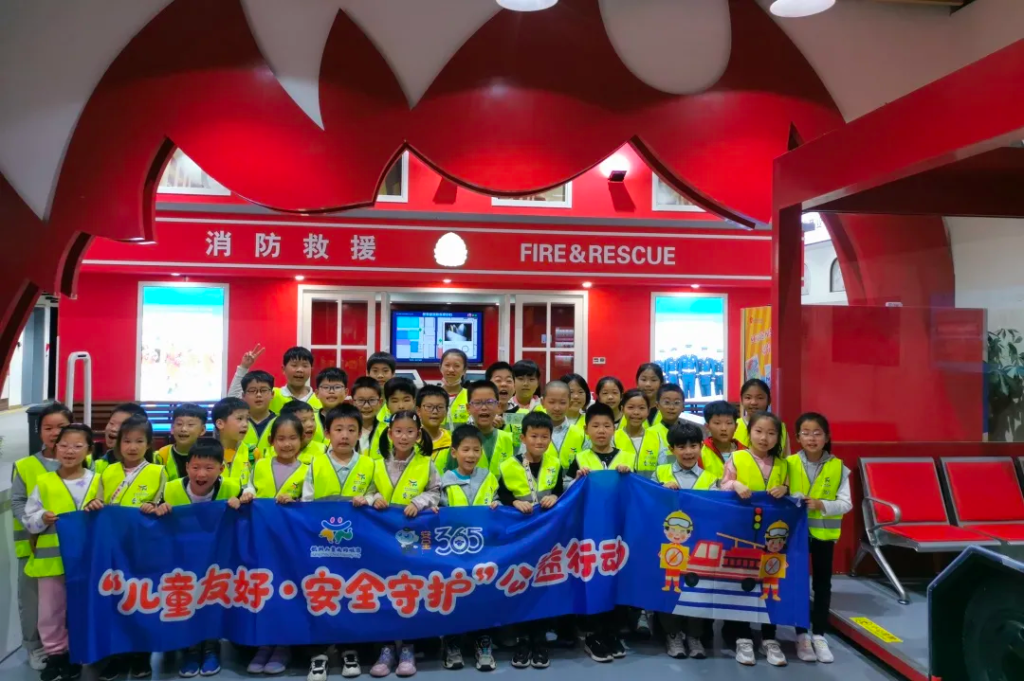
Establishing Immersive Social Practice Bases for Children Recognizing children’s social participation as a key aspect of building child-friendly environments, 100 municipal child-friendly practice bases have been certified. The initiative ensures comprehensive coverage of youth activity centers, engaging 65,000 participants in emergency safety experiential learning venues. Digital districts and women’s and children’s service stations provide varied experiential and exploratory opportunities for children.
Launching Mutual Support Projects for Children’s Care Targeting the needs of left-behind children, the “Mutual Support for Shared Reading” initiative has donated over 400 books to support mobile reading platforms. Collaborations with other cities have advanced the establishment of radio stations in rural schools, further promoting educational opportunities for all children.
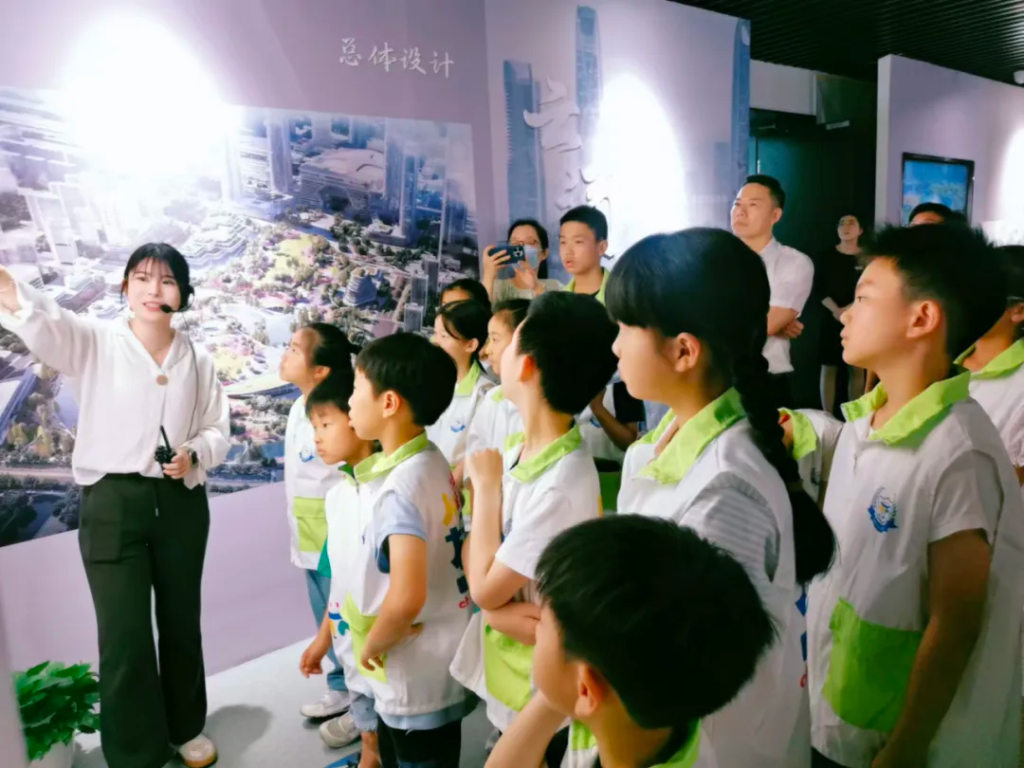
Developing Specialized Brands for Children’s Social Participation Focusing on low-carbon city initiatives, the “Talking with the Principal” special activity has spurred collaborative “School Uniform Recycling Plans” across multiple schools. Baochu Tower Experimental School has developed the “Baozhi Little Journalists” brand, conducting themed practices and gathering suggestions for community resources. The children’s observation group regularly organizes activities to collect and implement community-friendly initiatives.

 CCFU2089