In recent years, terms related to community development—such as “15-minute community living circle,” “complete community,” “community building,” and “future community”—have prominently featured in development plans across various regions, with many cities achieving notable success.
Hangzhou, a city that harmoniously blends historical significance with modern vibrancy, is advancing the construction of “colorful communities” through innovative strategies and a fresh perspective. The Hangzhou Binfen Future Community project is founded on the core principles of “cross-sector governance and all-age friendliness,” striving to establish a multifunctional “community hub” that integrates living, leisure, culture, and education, thereby creating a richer, more vibrant, and livable environment for residents.
- Removing Barriers to Transform Resettlement Communities into Complete Communities.
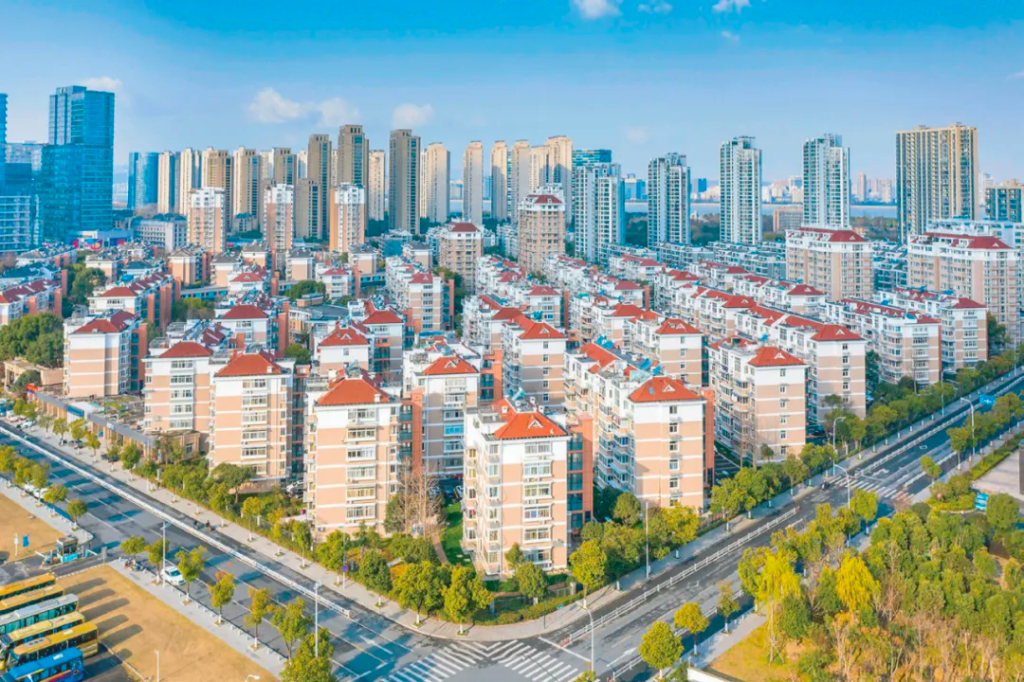
The Binfen Community is situated in the core area of Hangzhou’s Binjiang District, offering an advantageous geographical location. Spanning 46 hectares, it consists of three established communities: Xingmin, Qijiazhai, and Shuidian. This community encompasses five neighborhoods—Binfen Community, Binfen East Courtyard, and Yinyue Shangting—totaling 5,487 residential units, housing over 20,000 residents. As one of the earliest resettlement communities in Binjiang District, the construction of the original resettlement areas overlapped, leading to independently built supporting facilities that resulted in low space utilization, functional redundancy, limited diversity, and chaotic management. As urban development progresses, residents are increasingly calling for a more comfortable living environment, enhanced public services, and more convenient lifestyles.
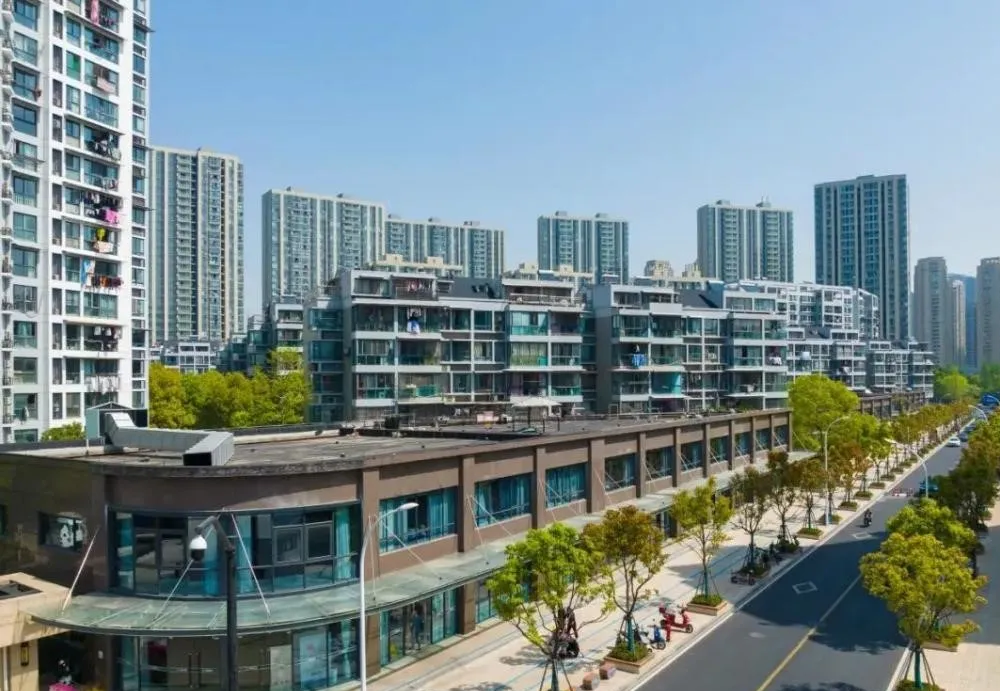
In early 2021, the Binjiang District launched the comprehensive construction of complete communities. A complete community, as the term implies, includes all essential service facilities for residents’ daily needs, such as kindergartens, community centers, hospitals, elderly service stations, grocery stores, canteens, and barbershops. The unique aspect of the Binfen Community is its approach to dismantling the administrative boundaries of original communities, creating a collaborative governance mechanism that encompasses “cross-community co-construction, cross-departmental law enforcement, cross-regional property management, and cross-industry coordination,” thereby fostering regional cooperation.
Throughout this co-construction process, the Binfen Community successfully merged administrative and governance systems. By leveraging party-building initiatives, the three original community party branches were consolidated into a larger community party committee, which operates under a rotating management system, establishing the Binfen Community Rotating Office. Moreover, in partnership with surrounding co-construction units, operational entities, and grassroots stations, a multi-cross-coordination operational mechanism was created, significantly enhancing the community’s service governance capabilities. This regional cooperation has integrated 11,700 square meters of supporting service space, effectively breaking down both the physical barriers within the community and the social barriers among residents.
2. Optimize the space to transform the vision for improved livelihoods into a tangible reality of well-being.
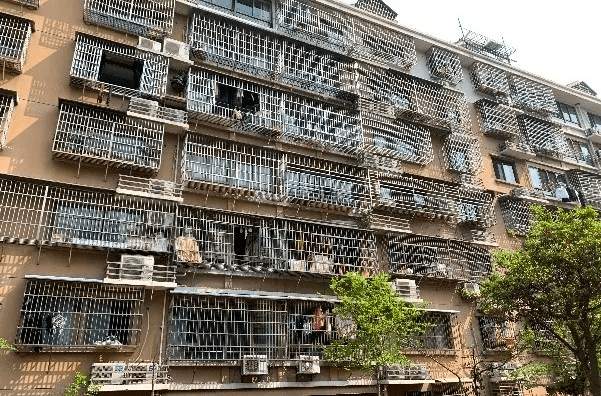
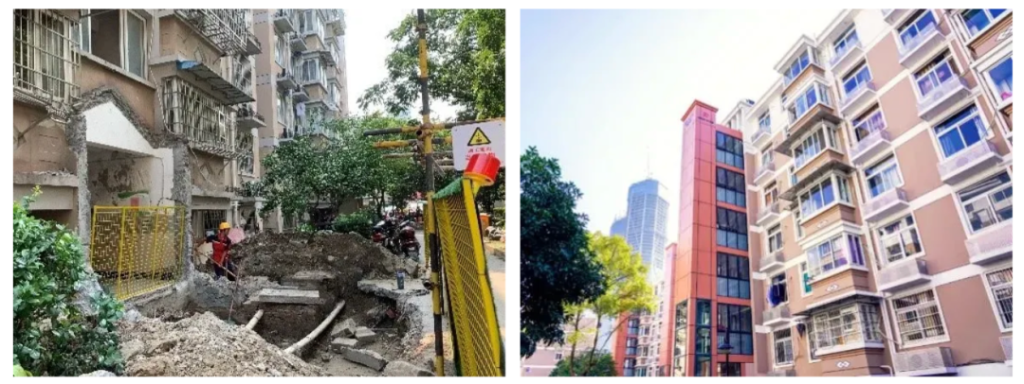
Many of the resettlement neighborhoods in the Binfen Community were constructed early on, resulting in predominantly low-rise buildings. These neighborhoods often suffer from outdated and damaged facilities, low elevator coverage, and significant issues related to “substandard living conditions.” The Hangzhou Urban-Rural Construction Committee carried out grassroots research and, in alignment with the initiative for complete community construction and the renovation of aging neighborhoods in the Binfen area, sought to achieve the goal of “holistic renovations” by coordinating multiple departments for collaborative efforts. Ultimately, 461,900 square meters of renovations were completed across three old resettlement neighborhoods in the Binfen Community. This included projects such as zero direct sewage discharge and upgrades to secondary water supply systems, dismantling 13,000 illegal added balconies, installing 2,241 electric vehicle charging stations, and adding 165 elevators to low-rise residential buildings. This initiative has made it the first community in Zhejiang to achieve full coverage of elevator installations in existing residential buildings.
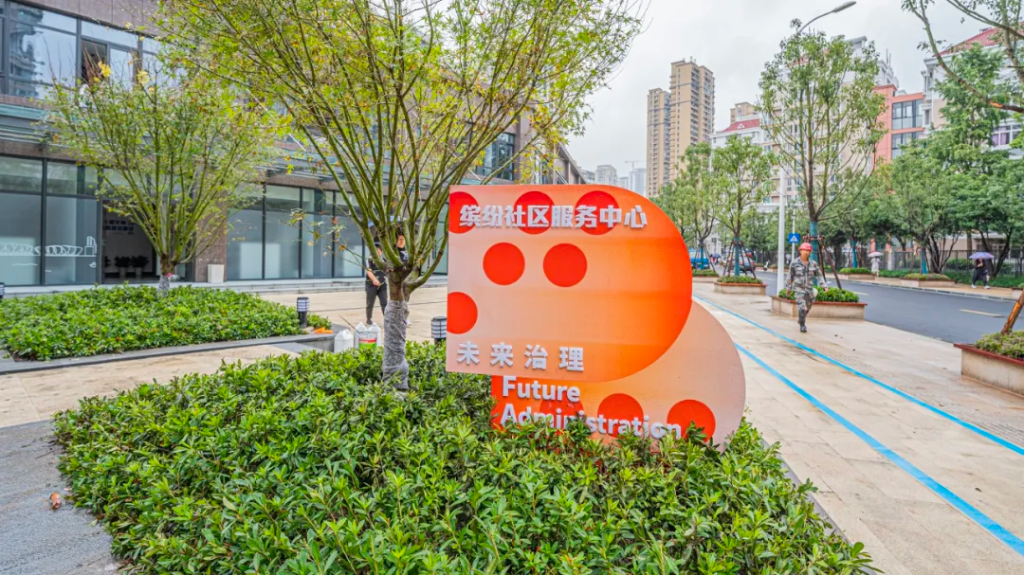
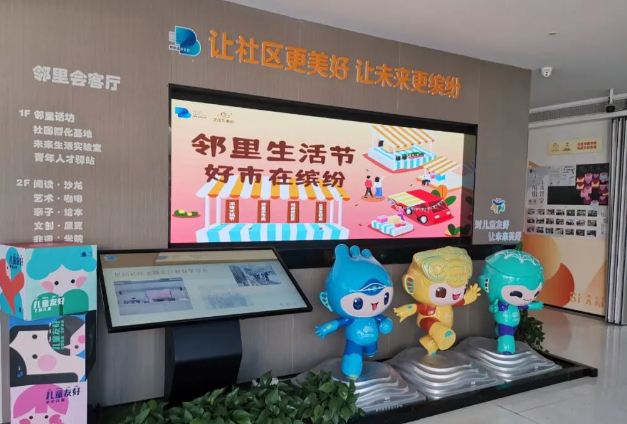
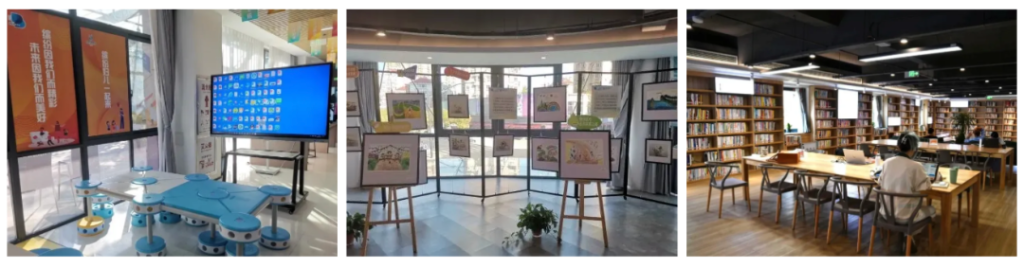
For spatial integration, Binfen Community has developed nine key service areas centered around the “Neighbor Hub” brand through joint efforts among multiple communities and strategic top-level design. These include the Binfen Reception Hall, Binfen Canteen, Community Service Center, Binfen Health Service Sub-center, Growth Station, Binfen Fitness Center, Integrated Governance Center, and Binfen Future Park, collectively integrating 10,500 square meters of space. This initiative has created a highly efficient “5-minute and 15-minute Binfen Living Service Circle,” significantly improving the utilization of public service facilities. The community addresses diverse needs such as neighborhood communication, learning, dining, administrative affairs, conflict resolution, medical care, fitness, elderly care, and childcare, thus providing comprehensive public services and activity spaces that cater to residents throughout their life cycle and across various living scenarios.
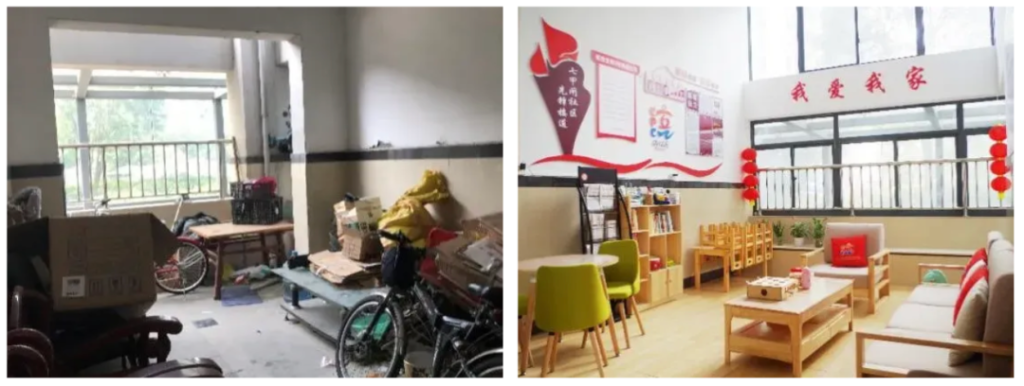
Moreover, the community has effectively utilized nearby small spaces by converting 23 neglected first-floor corridors—characterized by disarray and fire safety concerns—into inviting neighborhood gathering and parent-child reading areas through resident self-governance and crowdfunding initiatives. This effort has successfully transformed these “smallest unit” corridors from neglected spaces into valuable community resources, significantly increasing the happiness and satisfaction of residents.
3. Empowering with Digital Intelligence: Creating a Complete Community Friendly for All Ages
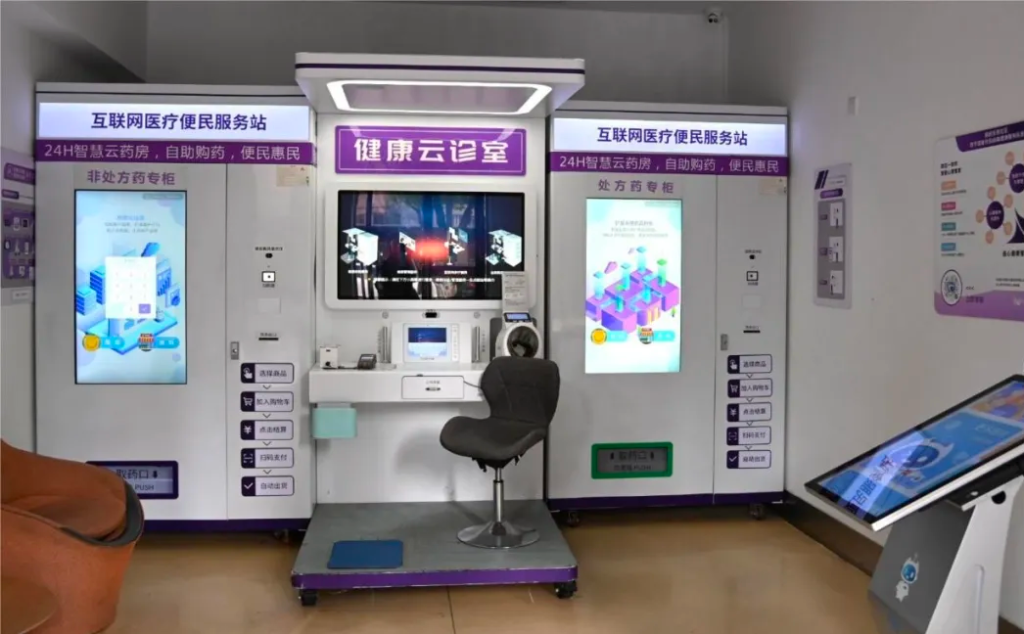
Binfen Community is dedicated to creating an all-age-friendly complete community, particularly addressing the needs of the elderly and children. To ensure comprehensive support and care for seniors, the community features a 24-hour reading room, cloud canteen, self-service facilities, cloud clinic, pharmacy, and fitness center, all designed to enhance residents’ smart living experience. The community health service center collaborates with Zhejiang University of Traditional Chinese Medicine and other hospitals, inviting renowned doctors for regular consultations. It also employs remote diagnostic technologies for multidisciplinary consultations, online follow-ups, and home health management. Furthermore, digital devices monitor the health and safety of elderly residents, providing thorough protection for those who are isolated or living alone.
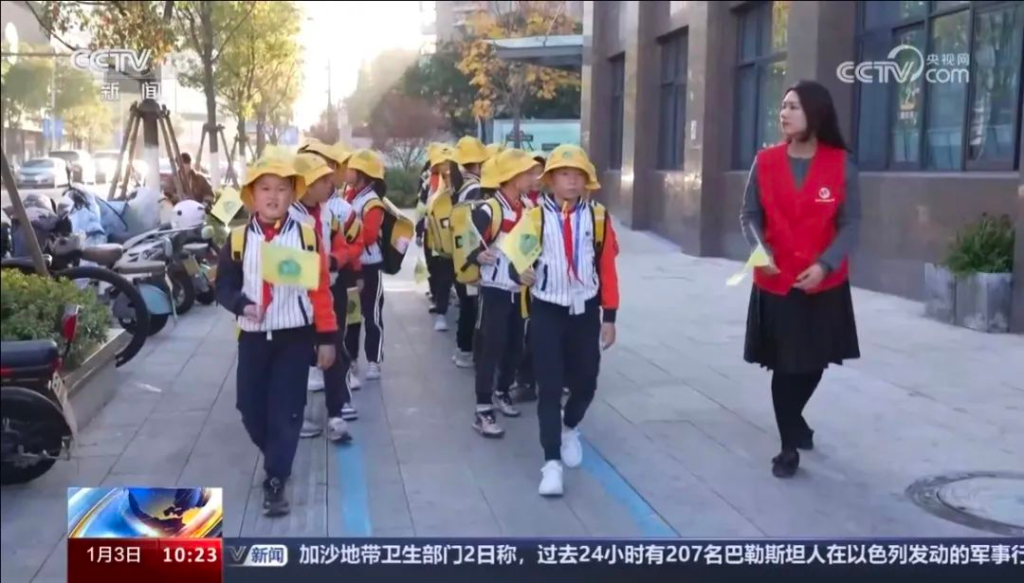
“Children are nurtured and supported.” Binfen Community has established a dedicated “Worry-Free School Route” for children, spanning 1.5 kilometers. This route features colorful markings and standardized signage. By collaborating with families, schools, police, and the community, and leveraging IoT technology, the community has developed a protective commuting model that provides “comprehensive supervision, automatic alerts, and rapid response.” With just four staff members, the safety of over a hundred students is ensured during their journeys to school without parental accompaniment.
To engage young people, the community adopts a digital leadership approach by establishing a unified digital platform architecture. This platform is built around the “Binfen Together Joy” mini-program, which offers convenient services such as “Find Community, Find Property Management, Find Venues, Find Activities, Find Friends, and Find Points.” Currently, there are 17,685 registered users who have collectively clicked over 200,000 times. The implementation of the “Bin Dou” points system encourages residents to participate actively in community volunteer services and enhances the diversity of grassroots governance efforts.

4. Binfen “Neighbor Gathering Place”: Enhancing and Transforming Community Life.
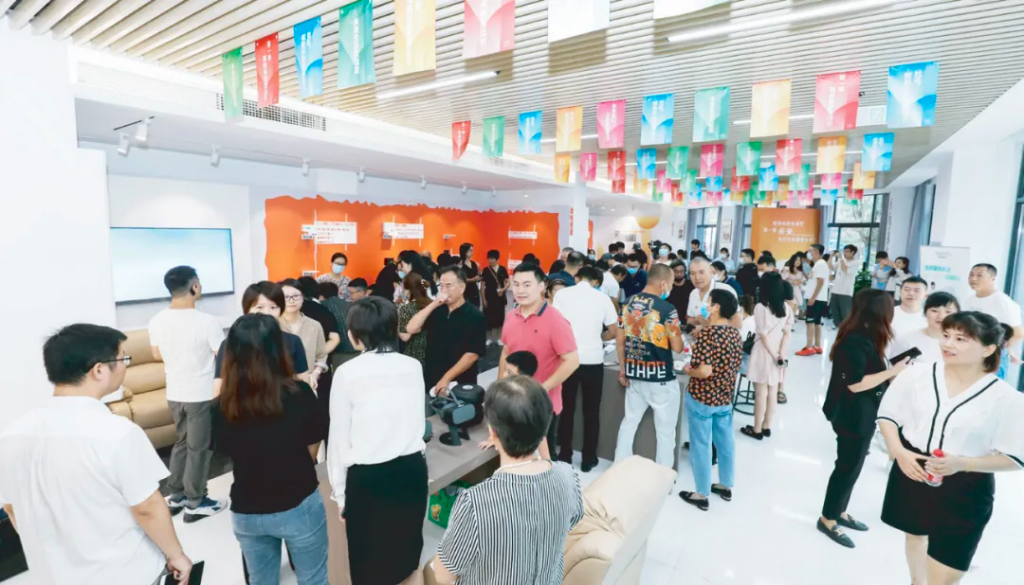
A complete community requires not only comprehensive public facilities and services but also a warm and welcoming environment that fosters neighborly connections. Binfen Community regularly hosts a variety of themed activities, from painting classes to parent-child craft workshops, drawing many residents to participate. These events help transform previously unfamiliar residents into acquaintances, with some forming lasting friendships.
To cater to the social needs of young people, the community organizes regular youth networking events. It features a love letter post office, along with study rooms and a 24-hour cloud clinic accessible via facial recognition, creating a sense of home for young residents. Moreover, through diverse activities, the community facilitates the integration of special groups into everyday life.
The Binfen Community project in Hangzhou has significantly enhanced residents’ quality of life and reflects its profound importance within the broader context of urban renewal. By implementing innovative practices centered on “cross-sector collaboration and all-age inclusivity,” the project has forged a new path for urban community development and provided valuable insights for urban renewal efforts. It demonstrates that a focus on comprehensive community planning and governance—alongside a genuine consideration of residents’ diverse needs—is vital for promoting sustainable urban development. The success of the Hangzhou Binfen Community project serves as a replicable model for other cities. Looking ahead, we can anticipate the emergence of more “neighborhood hubs” that will enrich residents’ living environments, ultimately transforming cities into the warm homes people envision.

 CCFU2089