“This parking area is designed with so much childlike charm—it helps kids develop orderly parking habits.” Recently, the “Little Kids’ Parking Lot” in Hongmei Community, located on Zhanongkou Street in Shangcheng District, Hangzhou, was officially put into use, offering a dedicated parking space for children visiting the neighborhood center to study and play.
The stroller-exclusive parking spots are designed to resemble piano keys and feature personalized tags, making them both functional and visually appealing. “We invited students from Tianhang Experimental School to contribute designs for the parking spaces, and then handed these over to a professional design company to showcase the children’s creativity,” explained a community representative. To further incorporate children’s design elements, the community utilized interchangeable materials and customizable techniques.
In recent years, to ensure children are fully integrated into urban construction and neighborhood development, Zhanongkou Street in Hangzhou has sought to allow children to enjoy the convenience and safety of modern communities, while also experiencing the joy and warmth of model neighborhoods. By leveraging resources from local schools and kindergartens, the community has actively explored new approaches to children’s services and promoted the development of child-friendly streets through various initiatives tailored to children’s needs.
Co-creation and Shared Use: Leveraging Platform Advantages to Standardize the Development of “Child-Friendly Streets”
Zhanongkou Street in Hangzhou has seized the opportunity presented by the renovation of old residential areas and, using Hongmei Community as a pilot project, established a warm and distinctive Children’s Activity Center on the second floor of the Happy Neighborhood Center. This center features nine key activity areas and functional spaces: a reading room, children’s play area, woodworking workshop, baking area, community salon, fitness room, mother and baby room, minor protection station, and psychological counseling room. The space serves as a platform for children in the community to learn and grow, laying a solid foundation for the development of child-focused work within the neighborhood.
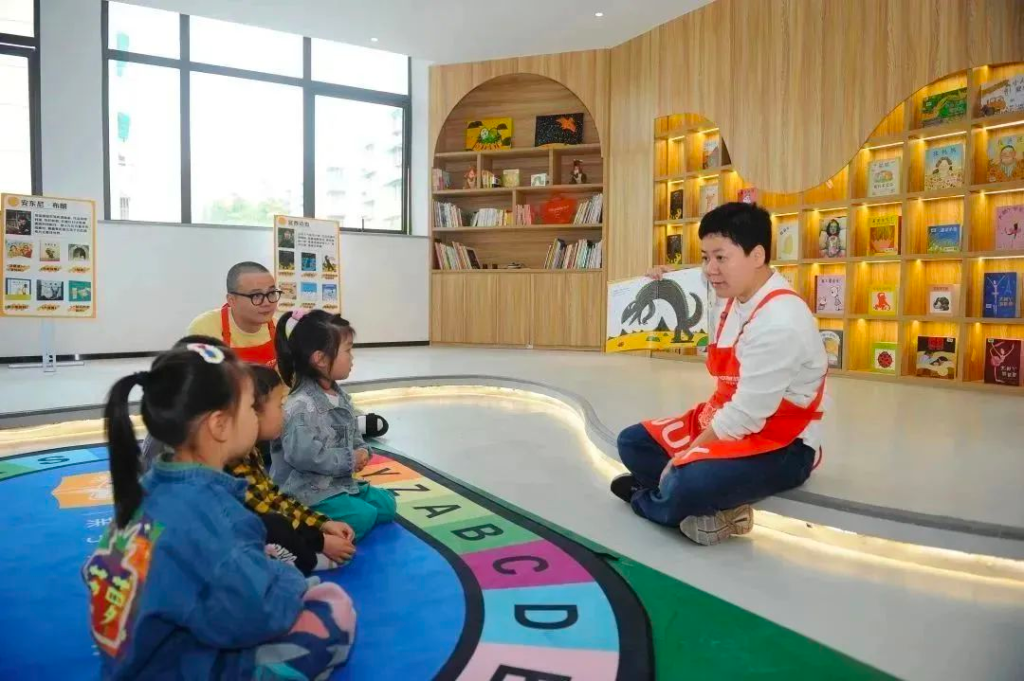
Social Collaboration, Engaging Social Organizations, and Developing a Branded Approach to Promote “Child-Friendly Street” Construction
Leveraging the Leju Public Welfare Social Organization Service Center, with Hongmei Community as its core, the initiative extends to the surrounding communities of Dongjia, Lanyuan, Maomiao, and Chunhui. The project actively utilizes local resources to incubate and support grassroots community organizations, such as “Pang Peihua Woodworking Workshop” and “Cun Cao Public Welfare,” which offer activities like handicrafts, toy and book experiences, parent-child reading sessions, and educational activities for children and parents. Additionally, by partnering with professional social organizations like Youbei Parent-Child Reading, Keep Fitness, and Gongyanghui, a diverse network of volunteers is formed to meet the varied needs of children within the neighborhood.
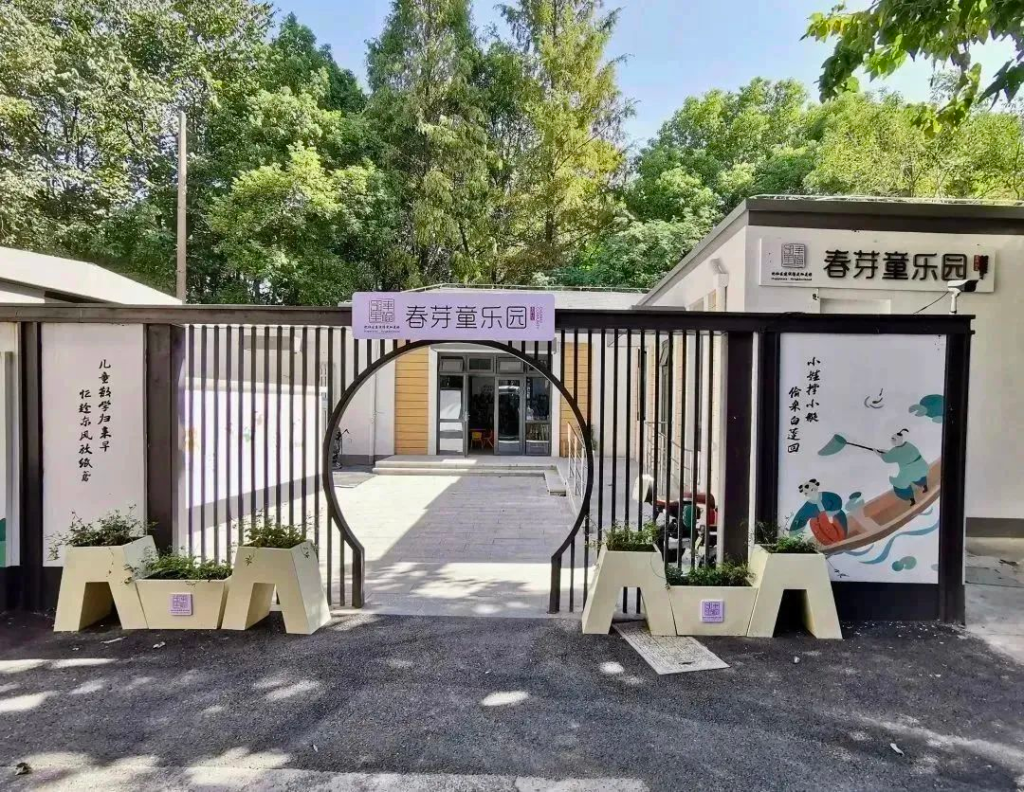
Innovative Platforms, Enhanced Clustered Approaches, and Fine-Tuned Development of “Child-Friendly Streets”
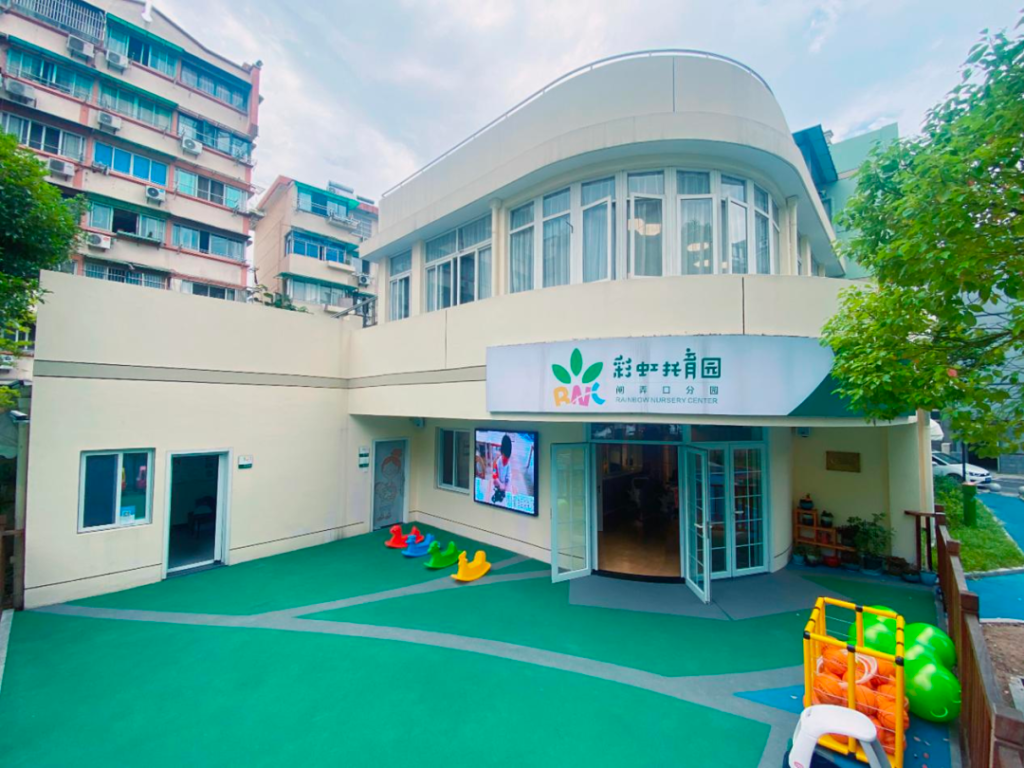
Zhanongkou Street in Hangzhou is actively building platforms and enhancing a categorized and clustered governance model to emphasize child-friendly development tailored to different community needs. For infants aged 0-3, innovative “medical care and education” childcare services have been introduced, establishing three affordable and inclusive childcare centers—Haibei, Rainbow, and Yimi—and renovating the 800-square-meter Hongmei School. For children aged 3-6, the district supports the growth of private kindergartens in addition to its three established public ones. For students in special schools, efforts are made to connect with Creative Industry Park No. 5, offering internship opportunities in car washing, baking, and other trades, creating inspiring examples of schools giving back to the community.
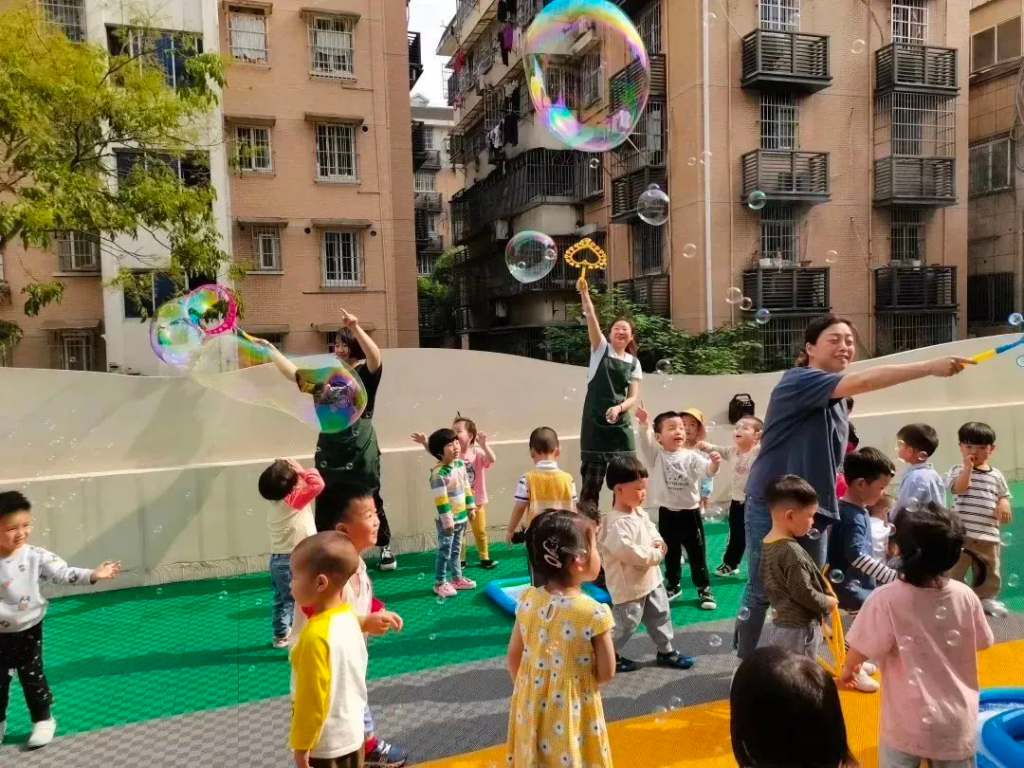
Going forward, Zhanongkou Street in Hangzhou will continue to approach development from a child’s perspective and, in line with the principle of prioritizing child-friendliness, will further advance the construction of child-friendly streets through “policy-friendly, space-friendly, and service-friendly” initiatives.

 CCFU2089