
In March 2021, the “Outline of the 14th Five-Year Plan for National Economic and Social Development and Long-Term Goals for 2035” formally incorporated the development of child-friendly cities into the national agenda. Subsequently, in October 2021, the National Development and Reform Commission, in collaboration with 22 other departments, issued the “Guiding Opinions on Promoting the Development of Child-Friendly Cities” (Document No. 1380, 2021). The plan outlines that by 2025, 100 pilot child-friendly cities will be established across China, ensuring that child-friendly principles are fully integrated into public services, rights protection, growth environments, developmental opportunities, and social policies. By 2035, it is anticipated that over half of cities with populations exceeding one million will have implemented child-friendly city initiatives, with around 100 cities officially recognized as national child-friendly cities, marking child-friendliness as an indicator of high-quality urban development.
The enactment of these policies underscores the country’s strong commitment to children’s development and rights protection, offering a clear framework and direction for local efforts to promote child-friendly urban initiatives. As a growing number of cities are included in the national child-friendly city development framework, local governments have actively responded by enhancing children’s well-being, sense of fulfillment, and safety in areas such as social policies, public services, rights protection, growth spaces, and developmental environments.
Nevertheless, localities face several challenges in this process, such as effectively embedding child-friendly principles into urban planning and design, ensuring that children’s perspectives are heard and respected, and mobilizing diverse societal stakeholders to participate. To address these issues, and based on research from several pilot projects across China, this paper proposes five innovative strategies to provide a reference for local governments and stakeholders in advancing child-friendly city development.
1. Incorporating Child-Friendly City Development into Legislation
Legislating for the development of child-friendly cities is a critical measure, as it provides a strong legal foundation and institutional safeguards for these efforts. Through legislation, the responsibilities and duties of various levels of government, relevant departments, social organizations, and the general public can be clearly defined, ensuring that the development of child-friendly cities is supported by legal frameworks and clear regulations.
During the legislative process, it is essential to align closely with the core principles of “child-friendliness,” taking into account the unique needs and rights of children. Specifically, the following areas should be considered:
- Establish clear definitions and standards for child-friendly cities, covering aspects such as urban planning, public infrastructure, educational resources, healthcare services, and cultural activities.
- Specify mechanisms for children’s participation in urban development and decision-making, ensuring their rights to information, involvement, and expression.
- Develop standards for constructing child-friendly spaces and a system for their evaluation to ensure that public spaces and facilities meet children’s needs.
- Clearly outline the roles and responsibilities of various departments in the development of child-friendly cities, establishing collaborative mechanisms to prevent issues of unclear accountability or bureaucratic shirking.
- Create monitoring and evaluation systems to regularly assess progress in developing child-friendly cities, with continuous improvements to policies and measures based on evaluation findings.
In the process of legislation, it is also vital to draw from practical experiences across different regions, and to gather input from experts, scholars, children, and parents to ensure the scientific rigor and practicality of the regulations. Moreover, the legislation should reflect the unique characteristics and strengths of each city, creating rules and ordinances that are tailored to local development needs.
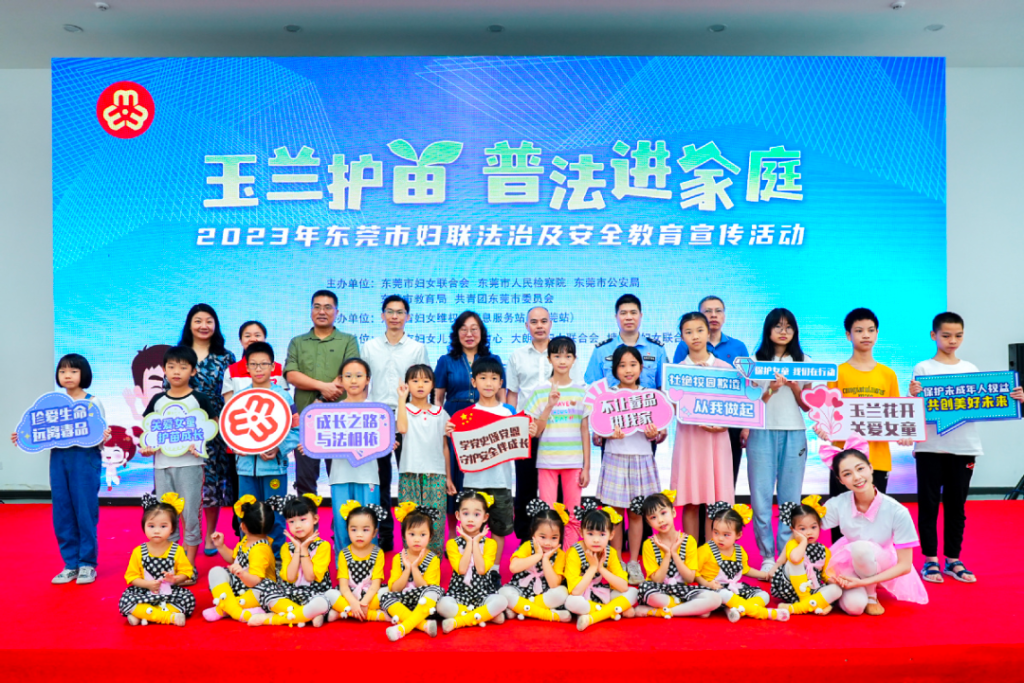
Since 2024, several cities have initiated legislative actions in this area. In March, the “Dongguan City Regulations on the Development of Child-Friendly Cities” (hereinafter referred to as the “Regulations”), proposed by the Dongguan Women’s Federation and the Office for Women and Children’s Affairs, was officially included as part of Dongguan’s 2024 legislative agenda. In June, the Wenzhou Municipal Government submitted the draft “Wenzhou City Child-Friendly City Development Promotion Regulations” to the 21st meeting of the 14th Standing Committee of the Municipal People’s Congress, which was subsequently opened for public comment. Also in June, the Standing Committee of the Changzhou People’s Congress held a press conference to announce the “Changzhou City Child-Friendly City Development Regulations,” which are set to take effect on September 1st of this year.
2. Integrating “Children’s Participation” into Decision-Making Processes Concerning Their Health and Well-being
Children are not only an essential part of urban communities but also the future stakeholders of cities. Ensuring their participation in decisions that affect their interests demonstrates respect for their rights and improves the relevance and efficacy of policies. To achieve this, the following steps are recommended:
- Formulate policies and regulations that clearly define children’s rights and procedures for participating in decision-making. These policies should address areas closely related to children’s lives, such as education, healthcare, environmental protection, and cultural activities.
- Create multi-level participation mechanisms for children. For example, establish “Red Scarf Proposal Teams” in schools, form Children’s Observation Teams at the community level, and set up city-wide Children’s Observation Teams to provide input at the urban level.
- Develop and empower members of the Children’s Observation Teams, enabling them to engage directly in assessing urban planning and the construction of public facilities. Regular training sessions and field visits can enhance children’s observational and communication skills.
- Establish a child-friendly opinion collection system. Utilizing online platforms and mobile applications, develop feedback channels tailored for children to easily share their ideas and needs.
- Before major decisions affecting children are made, employ methods like open consultations and child-friendly hearings to ensure that children’s perspectives are heard and considered.
- Implement a feedback system to inform participating children how their views are adopted and acted upon, fostering a stronger sense of engagement and responsibility.
These measures aim to cultivate children’s civic awareness and social responsibility while ensuring that city development aligns more closely with their actual needs.
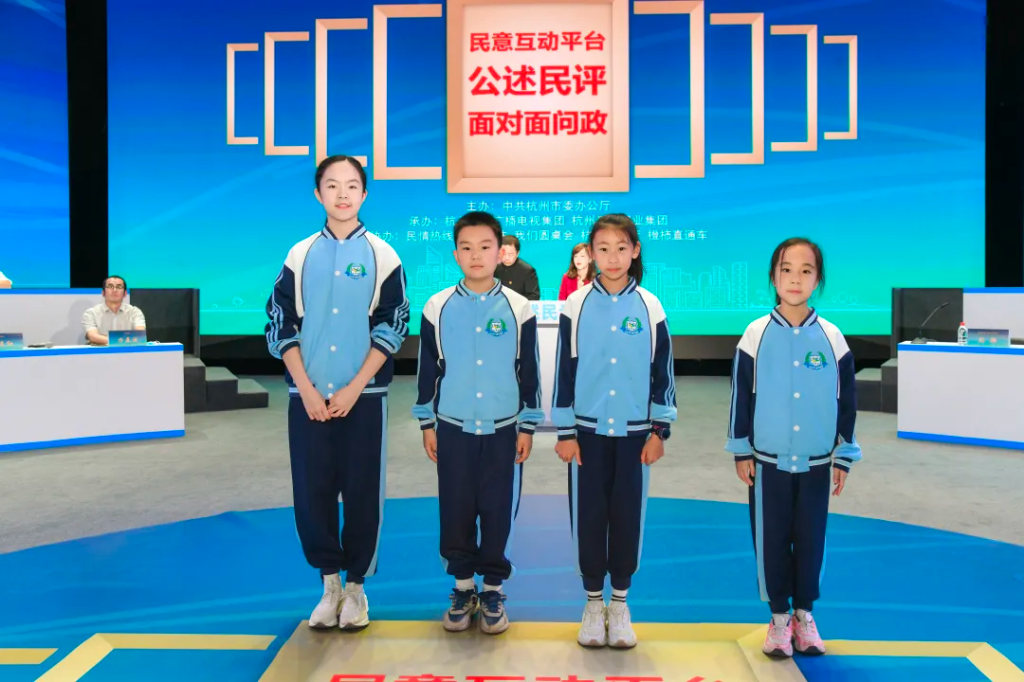
In practice, members of the Hangzhou Children’s Observation Team were invited to the first session of the 2023 Hangzhou “Public Dialogue and Citizen Evaluation” forum (“Welcoming the Asian Games—Comprehensive Enhancement of City Quality, Governance, and Civic Spirit”), where some team members’ recommendations were shared via video. This event further encouraged Observation Team members to contribute ideas to Hangzhou’s urban development and child-friendly city initiatives.
Quzhou City has established the “123” Children’s Policy Platform, a mechanism whereby any issues raised by children are received and processed by the relevant department within 24 hours, with a final response provided within 7 days. All issues are addressed; if the matter falls outside the department’s jurisdiction, it is forwarded to the appropriate authority for action and response.
3. Creating a Diverse Participation Platform for Collaborative Child-Friendly City Development
The development of child-friendly cities is a complex initiative requiring the collective participation and efforts of all sectors of society. To facilitate this, a diverse platform for participation is recommended to effectively mobilize social resources. Key approaches include:
- Form a “Child-Friendly Women’s Alliance.” By aligning with women’s development initiatives, this alliance would harness the unique strengths of women in child education and care. Female professionals, mother volunteers, and others would be organized to actively contribute to child-friendly city development.
- Establish a “Child-Friendly Public Welfare Alliance.” Bringing together social and charitable organizations, as well as individuals dedicated to children’s growth, this network would coordinate a variety of charitable activities and provide multifaceted support for children’s development.
- Develop a “Child-Friendly Industry Alliance.” Integrating efforts in urban industrial development, this alliance would consolidate resources from child-related sectors—such as education, products, and entertainment—to promote innovation and sector upgrades, supplying products and services to support child-friendly city construction.
- Create a “Child-Friendly Cultural Space Alliance.” Partnering with libraries, museums, cultural centers, sports venues, and arts institutions, this alliance would offer diverse cultural experiences and creative spaces for children, enhancing their access to cultural, recreational, and educational activities.
- Set up a “Child-Friendly Community Alliance.” In collaboration with community governance efforts, this alliance would encourage communities to initiate child-friendly projects based on local characteristics, fostering a city-wide culture of child-friendliness.
- Launch a “Child-Friendly School-Enterprise Cooperation Platform.” To help integrate children into social life, this platform would facilitate partnerships between schools and businesses, offering opportunities for career exploration and practical experiences, thereby aiding children’s understanding of society and future planning.
By establishing these multifaceted participation platforms, the enthusiasm and resources of society as a whole can be fully harnessed, creating a strong, collective force to advance child-friendly city development.
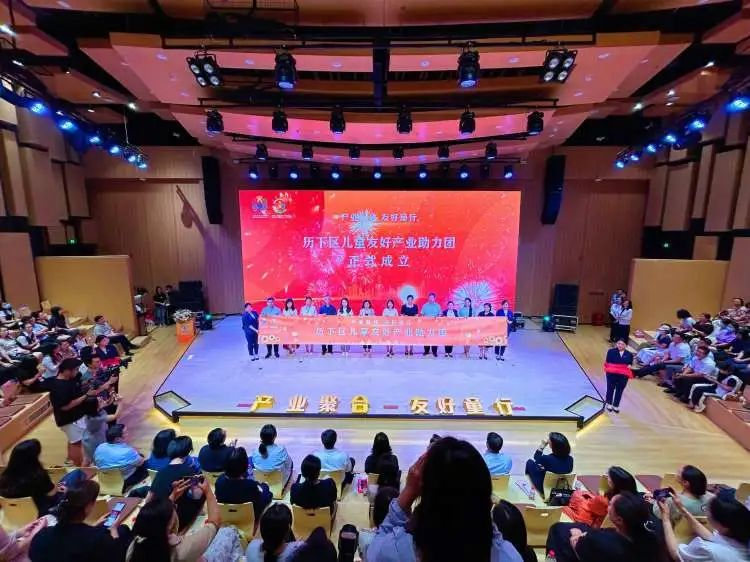
In August 2023, Lixia District in Jinan City launched the province’s first district-level Child-Friendly Industry Alliance. With a focus on child-friendly industries and the goal of developing child-friendly cities, over 300 child-focused enterprises across seven categories have achieved collaborative development and mutual benefits. Additionally, 12 district-level departments have formed a team to support the advancement of child-friendly industries.
4. Establishing a Research Institute for Child-Friendly City Development
To thoroughly explore the theory and practical implementation of child-friendly cities, establishing a dedicated research institute—The Research Institute for Child-Friendly City Development—is recommended. Such an institute would serve several key functions:
- Conduct Multidisciplinary Research: Bring together experts from education, psychology, sociology, urban planning, and other disciplines to conduct comprehensive, multi-perspective research on child-friendly city development.
- Develop Assessment Frameworks: Design a scientific and objective system of indicators to assess child-friendly cities, providing reference standards for regions working on child-friendly city initiatives.
- Undertake Policy Research: Analyze both domestic and international policies and best practices related to child-friendly city development, offering strategic guidance and support for local policy-making.
- Engage in Field Research: Conduct thorough investigations in communities, schools, public spaces, and other areas to understand children’s needs and experiences, providing first-hand data to inform policy-making and project design.
- Publish Research and Reports: Regularly release authoritative reports and indexes on child-friendly city development, presenting the latest trends, findings, and challenges in this evolving field.
- Facilitate Academic Exchanges: Organize seminars, forums, and other scholarly events to foster dialogue and collaboration in the area of child-friendly city development, both nationally and internationally.
- Provide Training and Capacity Building: Offer training programs on child-friendly principles and practices to government agencies, social organizations, and businesses, aiming to enhance awareness and participation in child-friendly city development.
The establishment of a professional research institute like this would provide sustained intellectual support and theoretical guidance for the development of child-friendly cities, promoting progress to a higher level and deeper scope.
In December 2022, the Chengdu Research Institute for Child-Friendly City Development was officially launched, a comprehensive research center established by Chengdu University at the request of the Chengdu Municipal Government to specialize in child-friendly city research.
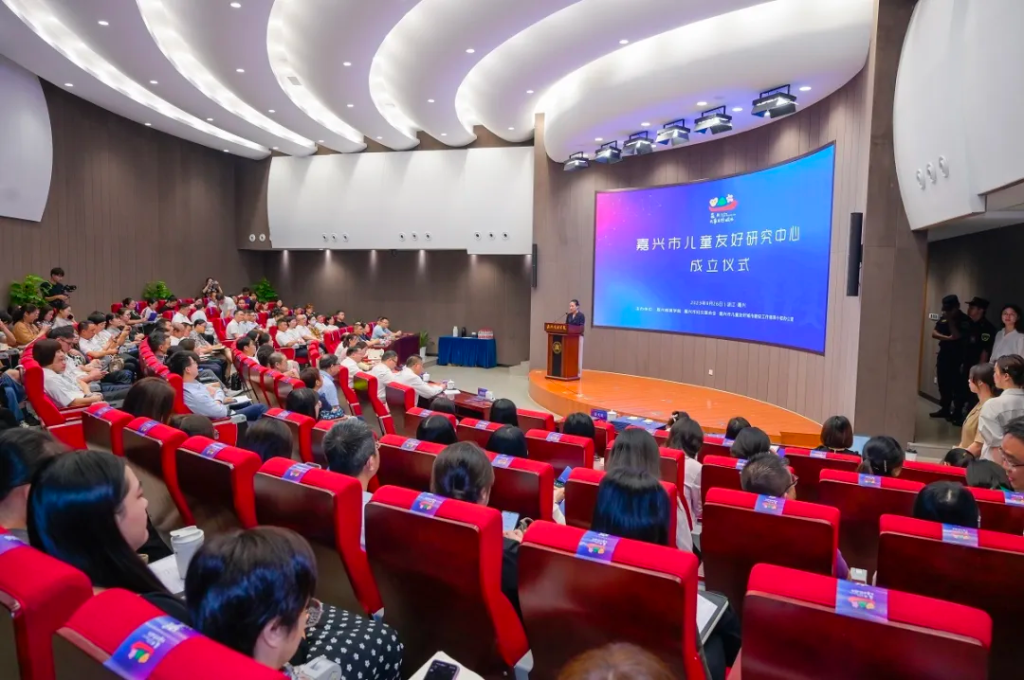
In September 2023, the Jiaxing Child-Friendly Research Center was inaugurated at Jiaxing Nanhu College. This event also saw Jiaxing Nanhu College and the Jiaxing Women’s Federation (the Office of the Jiaxing Child-Friendly City Development Working Group) signing a strategic cooperation agreement, furthering efforts to support child-friendly city development.
5. Creating City Landmark Child-Friendly Experience Zones
Designing distinctive and engaging child-friendly spaces is crucial for enhancing a city’s child-friendliness. The following strategies are recommended to develop a series of city landmark child-friendly experience zones:
- Develop a Comprehensive Plan: Integrate child-friendly experience zones within the city’s overall urban planning, ensuring their widespread coverage and balanced distribution across different areas.
- Emphasize “Accessibility, Recognizability, and Engagement”: Choose locations with convenient transportation, design prominent wayfinding and signage, and create appealing atmospheres, allowing children to easily access, identify, and enjoy these friendly spaces.
- Create Multifunctional, Composite Spaces: Combine play, learning, sports, and art in an integrated way to cater to the diverse needs of children.
- Prioritize Safety and Usability: Throughout the design and construction phases, fully consider the physical and psychological needs of children, using materials and facilities that are safe and suitable for them.
- Incorporate Local Culture and Features: Use the city’s cultural heritage and natural resources to create spaces that reflect local characteristics, fostering children’s sense of identity and connection to their city.
- Encourage Innovative and Creative Designs: Incorporate new technologies and concepts, such as interactive exhibits and virtual reality experiences, to enhance the spaces’ fun and educational aspects.
- Build a Connected Network of Spaces: Use pathways for pedestrians and cyclists, as well as public transportation, to link child-friendly spaces into a cohesive network, creating a comprehensive, accessible urban experience for children.
- Implement Dynamic Management and Continuous Updates: Regularly gather feedback from users and promptly update and optimize facilities to ensure these spaces remain attractive, practical, and relevant to the needs of children.
By creating these unique and engaging child-friendly experience zones, cities can provide children with enriching environments for growth, while also enhancing the city’s overall appeal and image, contributing to sustainable urban development.
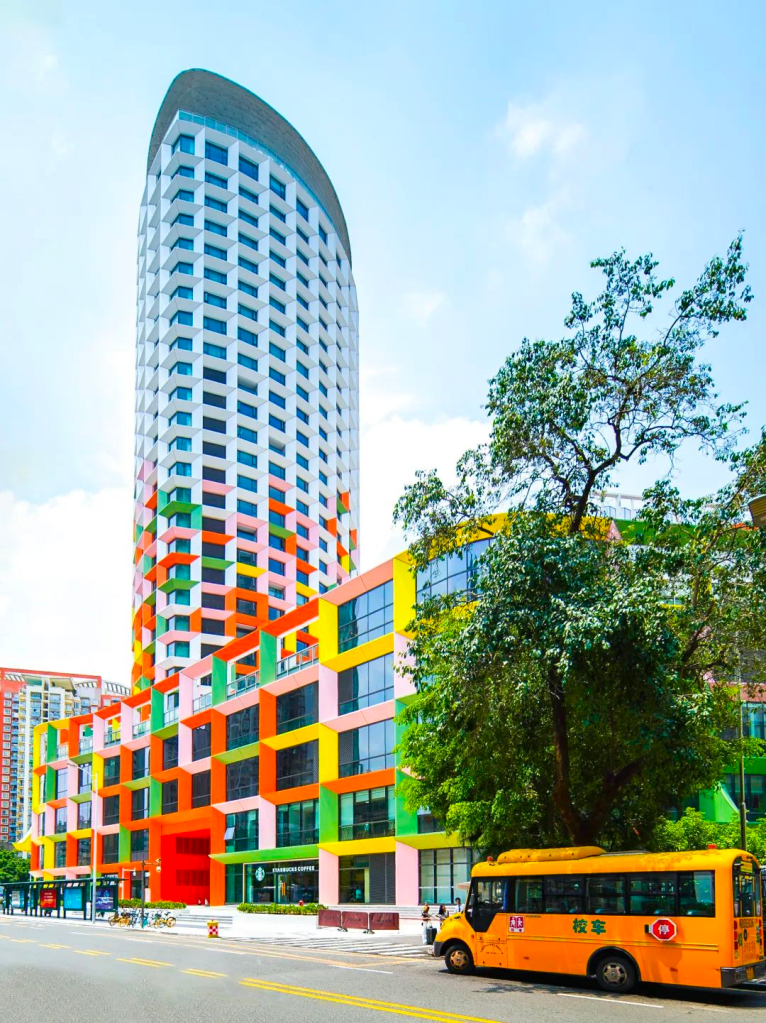
In 2023, the Shenzhen Women and Children Building underwent a significant renovation focused on four key areas: female empowerment, child-friendliness, family care, and exchange and cooperation. The building features major projects like the “Bay Area Happy Home,” the “She and Shenzhen Theme Pavilion,” a children’s exploration center, a picture book museum, a childcare center, a women’s and children’s theater, and child-friendly parent-child accommodations. Together, these projects provide comprehensive, one-stop services for women and families with children in Shenzhen, continuously creating enhanced living spaces.
The development of child-friendly cities is a long-term and comprehensive project that requires the combined efforts of governments, social organizations, businesses, and the public. By pursuing the five areas of exploration and action outlined above, cities can promote child-friendly city development across multiple dimensions, including institutional frameworks, mechanisms, participation, research, and practical initiatives, thereby creating safer, healthier, and more comfortable environments for children to grow and thrive. Building child-friendly cities not only supports the comprehensive development of children but also brings renewed vitality to the sustainable growth and progress of urban communities.

 CCFU2089