Labor education for children, in essence, promotes growth and learning through hands-on activities. For parents born in the 1970s and 1980s, labor was a natural part of their childhood. However, as urbanization accelerates and living standards improve, many children today may have little exposure to labor, lacking both experience and respect for it.
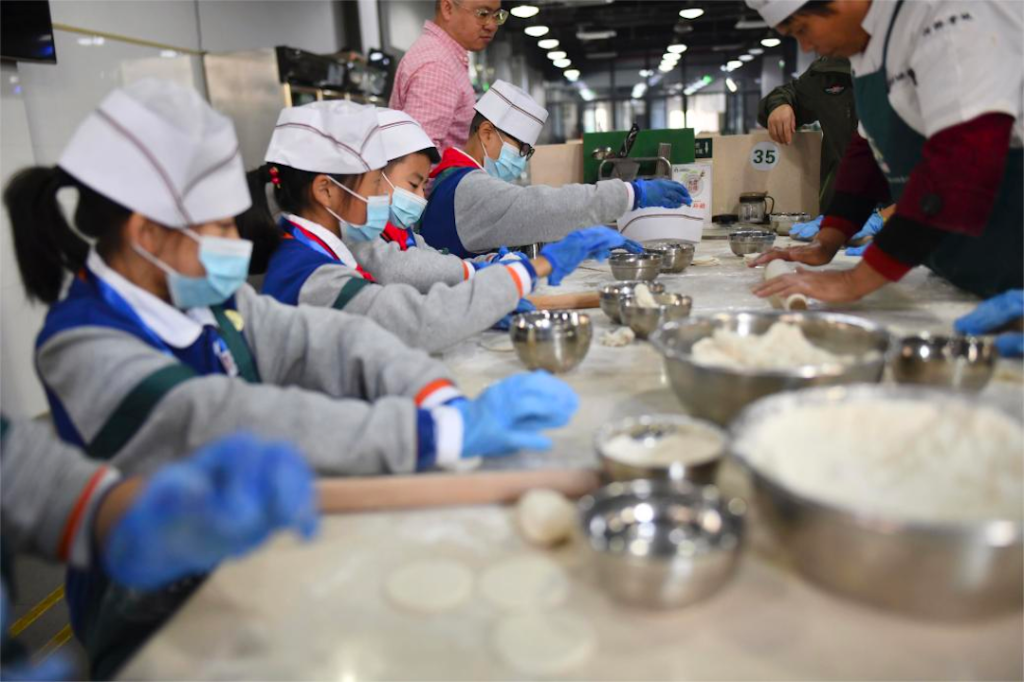
Globally, countries have diverse approaches to labor education. For instance, the United Kingdom includes cooking skills as part of the compulsory curriculum, Japan integrates labor activities into vocational and daily life education, and Russia emphasizes traditional crafts through “Technology” classes. Labor education typically takes forms such as household chores, natural production activities, and vocational experiences. These experiences not only enrich children’s practical skills but also help shape their worldviews and values.
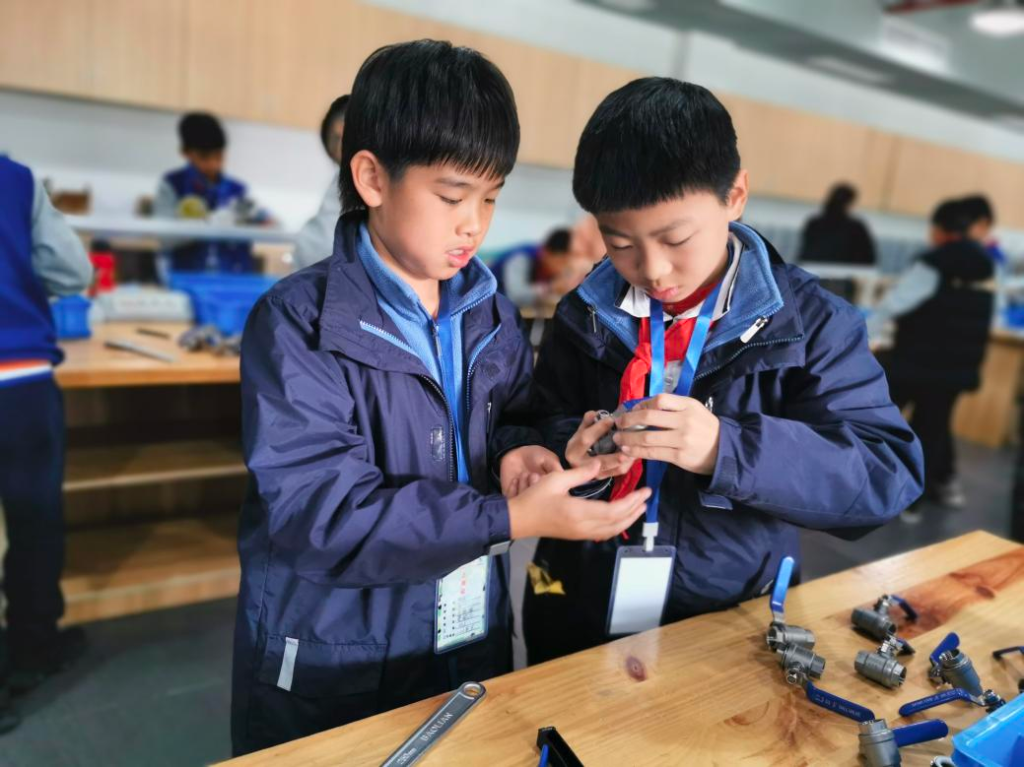
In 2020, China’s Central Committee and the State Council issued the “Opinions on Comprehensively Strengthening Labor Education in Universities, Secondary, and Primary Schools in the New Era.” This document emphasizes the collaborative efforts of families, schools, and society in labor education, reflecting a “home-school-society partnership” model. This also highlights China’s unique approach to labor education for children.
China’s labor education model is built on the principle of “family as the foundation, school as the main driver, and society as the supporter.” Families are tasked with developing children’s self-care abilities for daily tasks, such as cooking, cleaning, and laundry. Schools lead collective labor activities like gardening and poultry raising to foster practical skills and teamwork. Societal support comes through labor camps, research bases, and corporate factories that offer diverse hands-on opportunities. For example, since 2017, the Hangzhou (International) Youth Dongqiao Camp has leveraged its surrounding agricultural resources to offer farming-based labor education courses.
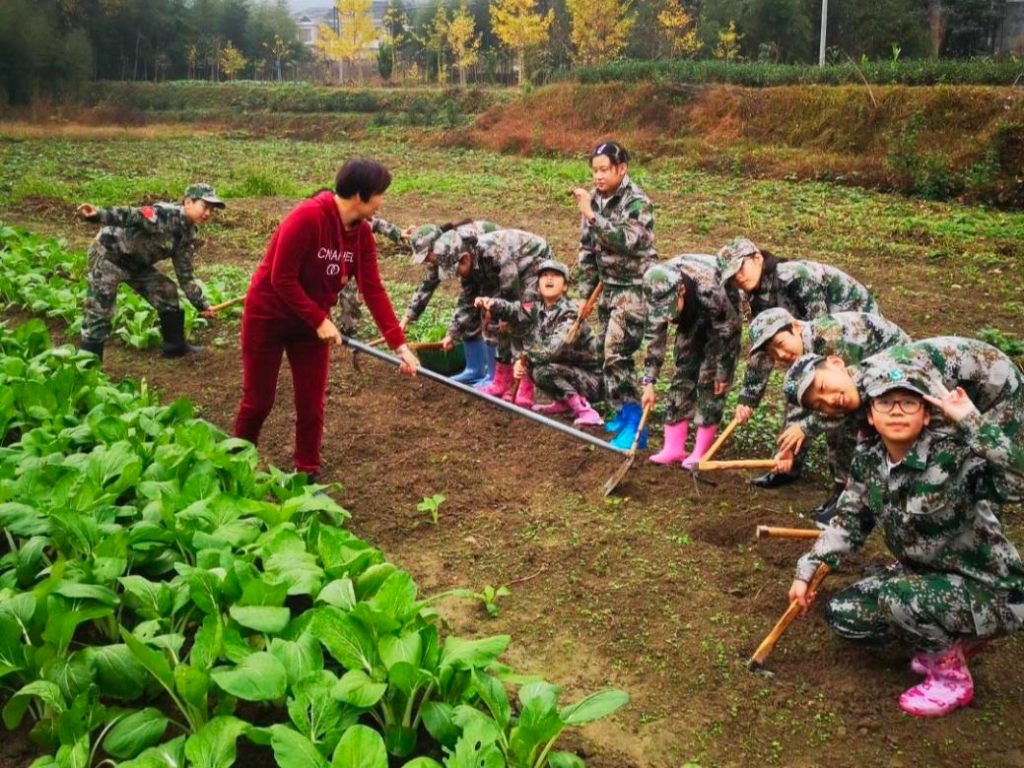
In 2022, the Ministry of Education separated labor education from the broader comprehensive practical activity curriculum, making it a compulsory subject in primary and secondary education. Acknowledging regional differences across the country, a unified national textbook was not imposed, avoiding a one-size-fits-all approach. One key challenge is to prevent labor education from being promoted in a “movement-style” rush. The Ministry of Education addresses this by encouraging schools to develop curriculum resources tailored to the local economy, culture, and students’ real-life contexts. Localized, hands-on approaches ensure that labor education takes root deeply and continues to innovate.
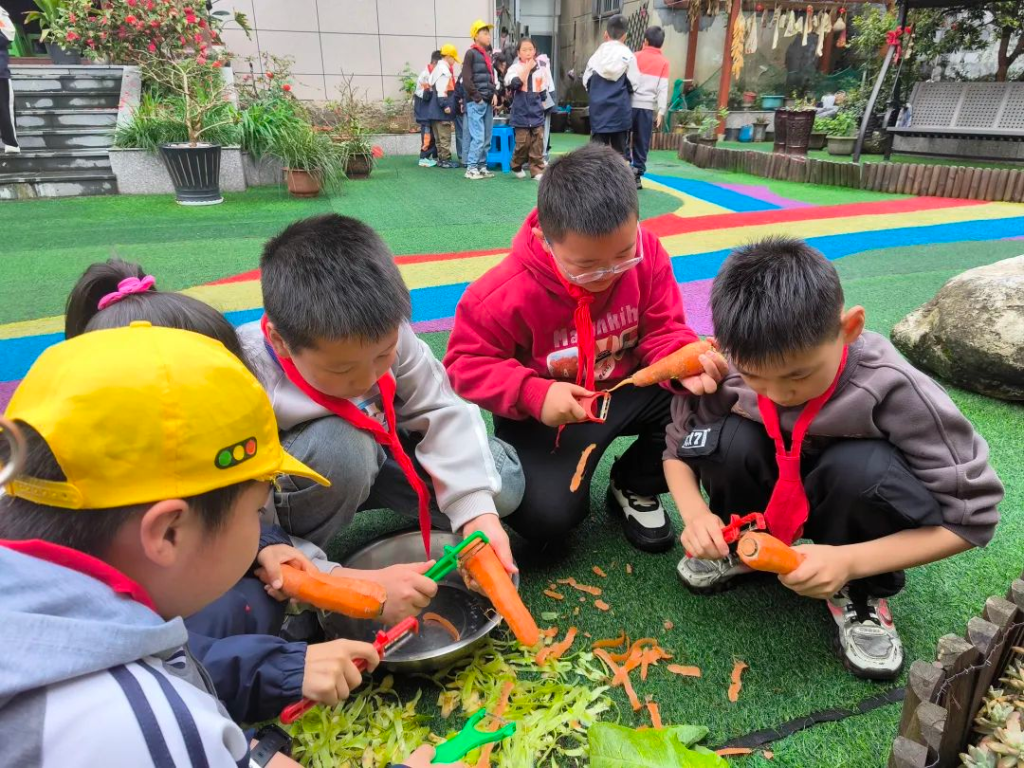
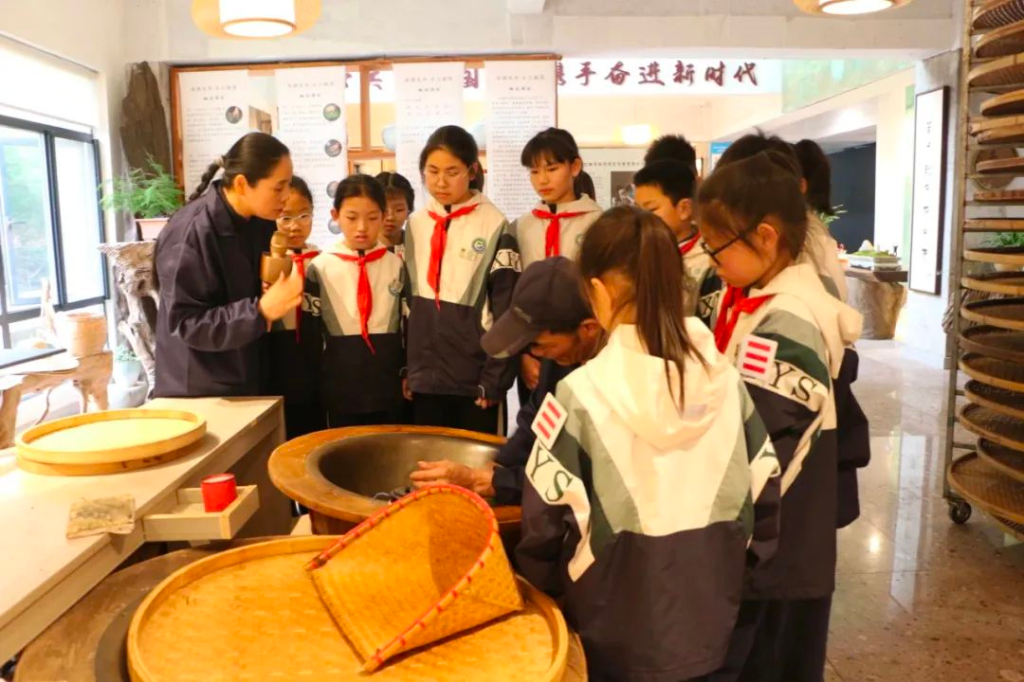
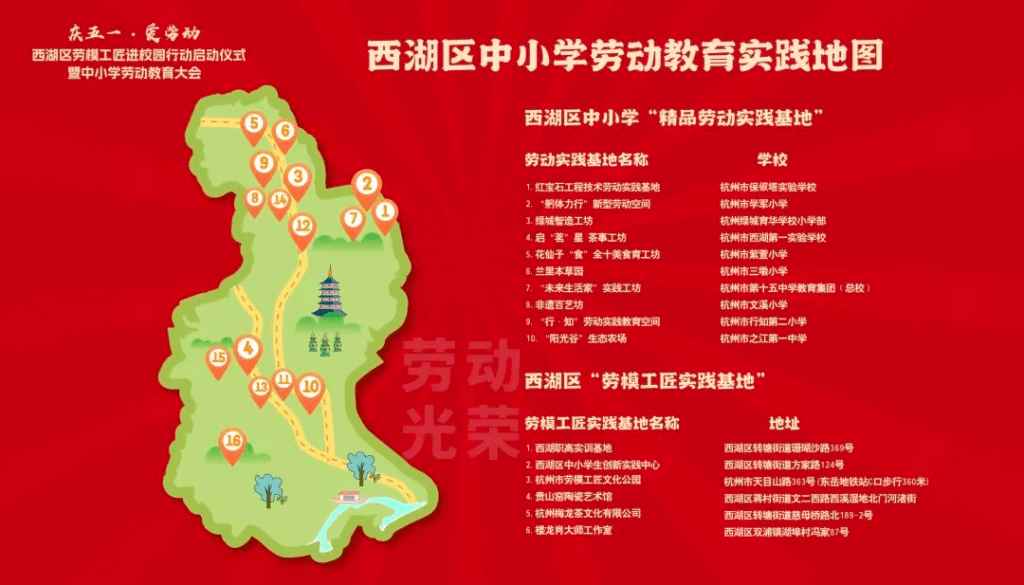
The Ministry of Education’s “National Typical Cases of Labor Education in Primary and Secondary Schools” recognizes regions that successfully implement “localized, practical” approaches to labor education. This commendation serves as a positive response to the challenges in labor education. For instance, Daqing City has created a labor education model aligned with the city’s branding, centered on the “Iron Man spirit.” Shanghai’s Huangpu District enhances students’ skills through project-based learning that integrates five key educational areas. Lanzhou provides authentic labor experiences connected to the “Belt and Road Initiative,” Yellow River culture, and revolutionary history. Meanwhile, Xihu District in Hangzhou creatively incorporates model workers and craftsmen from various fields as in-school and out-of-school mentors, enriching labor education with industry expertise.
The challenge remains: how can labor education maintain its depth and vitality over time? The key is to integrate labor education closely with fundamental urban priorities like city development and child growth.
Take Hangzhou, Zhejiang, as an example. As one of the first national pilot cities for child-friendly city development, Hangzhou’s “Three-Year Action Plan for the Construction of a Child-Friendly City (2022-2024)” was the first to incorporate labor education into child-friendly city efforts, with an innovative aim to deepen the brand of “New Labor Education.” Each year, Hangzhou plans to establish 30 municipal labor education practice bases in primary and secondary schools and develop 100 municipal-level model labor education schools by 2024. By leveraging the spring and autumn breaks for primary and secondary school students (a national first), Hangzhou extends school-based labor education into every student’s home, fostering a habit of labor and cultivating a love for work. In my observation, labor education has become an activity embraced and appreciated by children, parents, and society, woven into the fabric of urban life.
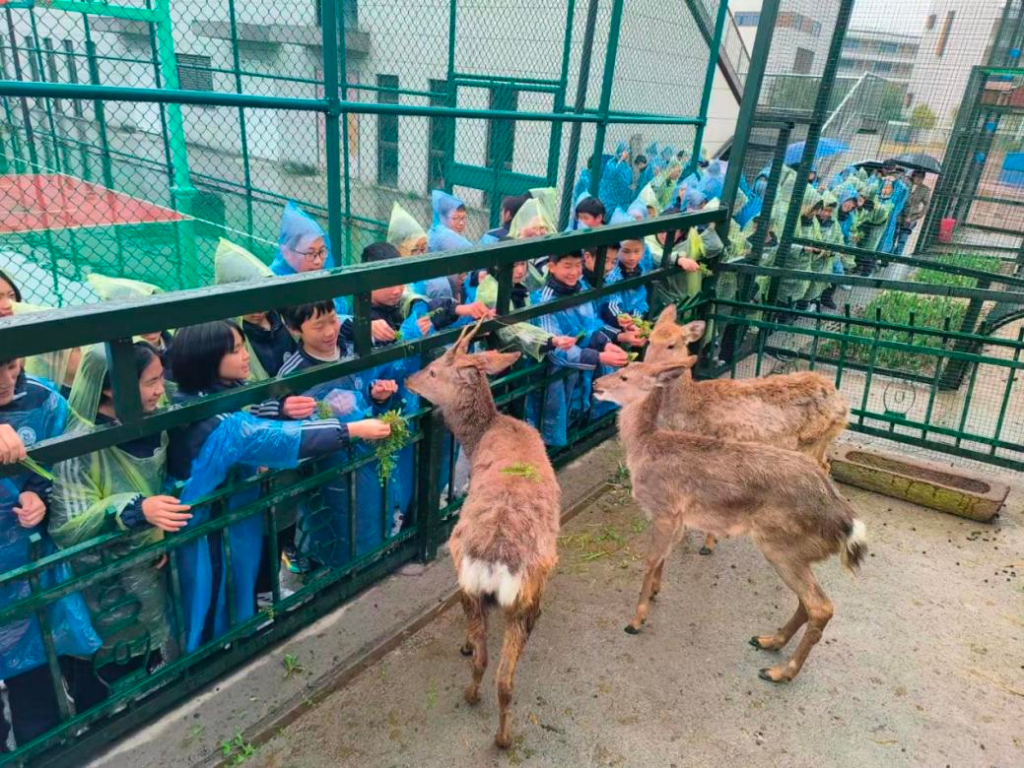
Incorporating child-friendly principles into labor education means empowering children to actively explore and create, rather than passively follow or imitate. This shift enables children to express their natural creativity during labor activities, finding both joy and a sense of accomplishment. More importantly, these experiences deepen emotional connections between children, their families, and their teachers. Compared to simply learning labor skills, this child-centered approach to education has a more profound and lasting impact.
In my vision, labor education for children should embody the principles of child-friendliness while reflecting the city’s cultural heritage and industrial identity. Positioning children’s labor education as a vivid practice of building child-friendly cities is an initiative that deserves wider attention and promotion.


 CCFU2089