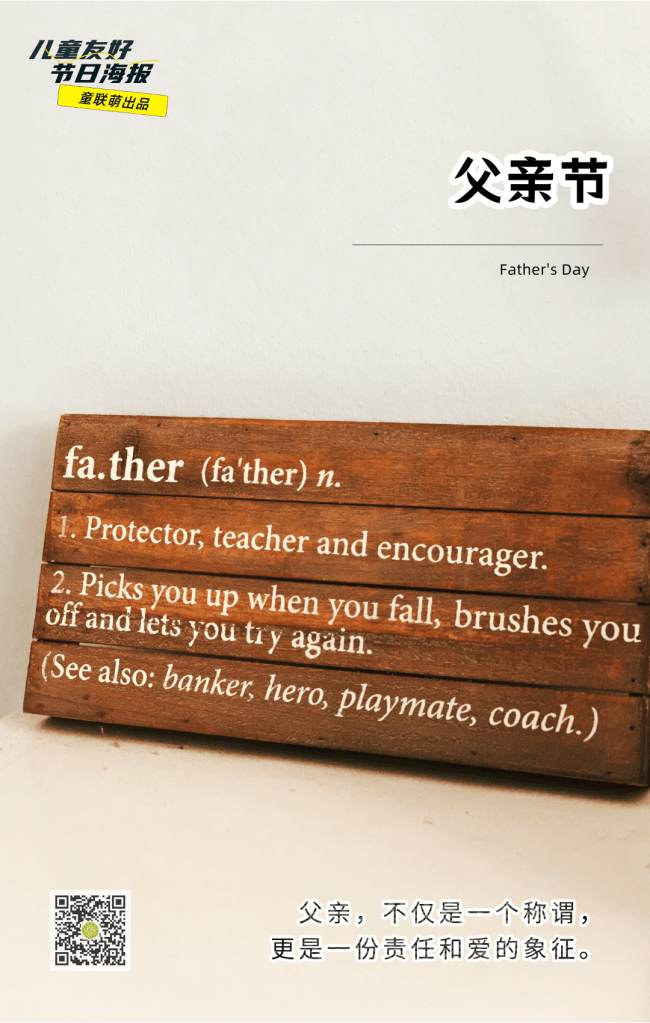
With Father’s Day approaching, it is an opportune time not only to celebrate this special occasion but also to consider the critical role that fathers play in their children’s development, particularly within the framework of establishing child-friendly cities.
Traditionally, mothers have been viewed as the primary caregivers and educators in a child’s upbringing. However, recent research highlights that the role of fathers is equally vital. By engaging in interactions and play, fathers can inspire curiosity and a sense of exploration in their children, which are essential for cultivating creativity and problem-solving abilities. The presence of a father not only enhances a child’s sense of security but also fosters emotional and social development.
1. The Role of Fathers in Education: Encouraging Active Participation
In building child-friendly cities, it is essential to advocate for and support greater involvement of fathers in their children’s daily lives, fostering an environment of shared parenting. Communities and schools can organize more parent-child activities to encourage joint participation, promoting learning and growth for both fathers and children.
In recent years, the Jinan Community in Anzhen Street, Xishan District, Wuxi City, has focused on addressing children’s needs by collaborating with the “Father-Child Woodworking Club,” centering on a holistic educational approach called “Five Aspects of Integrated Development.” A series of activities under the “Father’s Classroom” initiative have been launched, guided by the “Fatherhood Education Model,” including woodworking, financial literacy, and sports activities for fathers and children. These efforts are aimed at tackling the significant societal issue of insufficient paternal involvement in education, fostering fathers’ responsibilities in both discipline and role modeling, and offering positive guidance for children’s development. The community’s program for paternal involvement ensures meaningful, two-way interactions between fathers and children, contributing to enhanced family well-being.
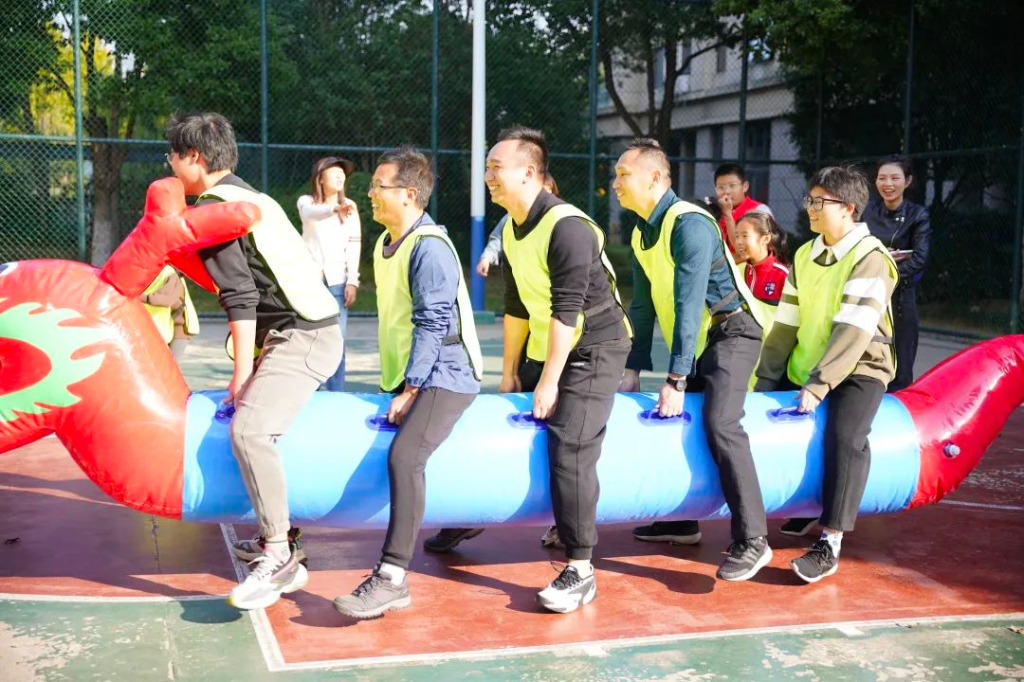
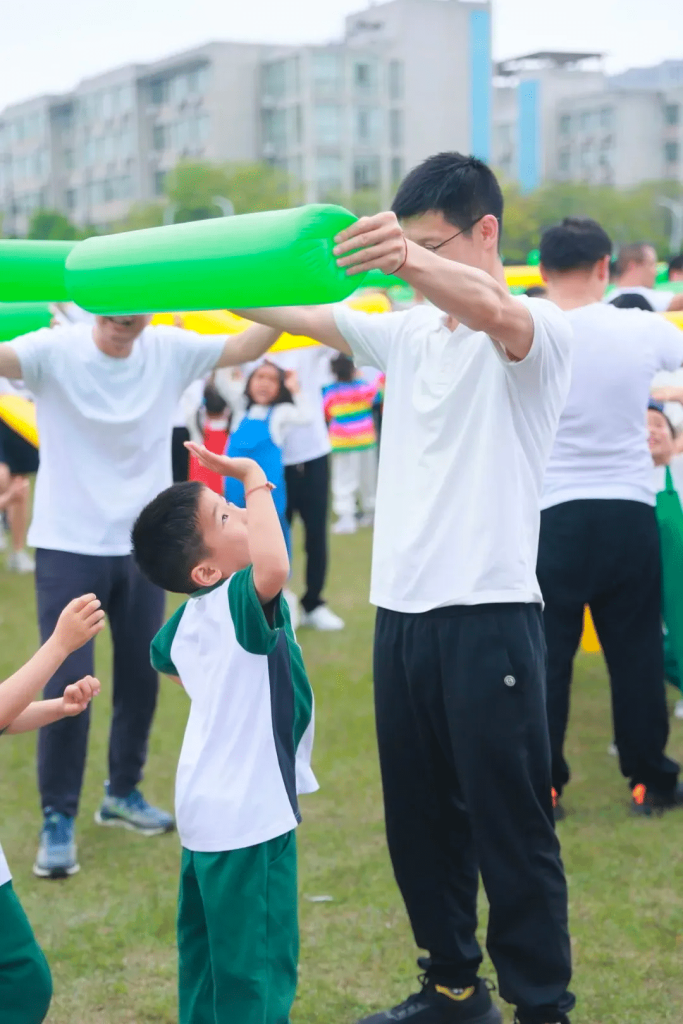
In April 2024, Wenhan Kindergarten, affiliated with Zhejiang University of Finance and Economics, organized the “Empowering Fathers” Spring Parent-Child Sports Event and the “Children’s Salon · Super Dad Camp.” These events highlighted the crucial role and positive influence of fathers in their children’s development. By engaging in these activities, fathers not only deepen their bonds with their children but also set healthy, positive, and courageous examples. More importantly, these activities embody the principles of “child-friendliness,” aiming to create a social environment conducive to children’s physical and mental well-being, respectful of their rights, and encouraging of their active participation.
2. Policy Support Framework: Creating a Favorable Environment
To enhance the role of fathers in child development, policy support is indispensable. Governments and social institutions should develop and implement comprehensive family-supportive policies, such as extending paternity leave, providing father-child-friendly public spaces and activities, and establishing fatherhood education and training programs. These measures would foster an environment conducive to fathers’ active involvement in parenting.
In 2021, the 37th session of the Standing Committee of the 15th Shanghai Municipal People’s Congress voted to amend the “Shanghai Population and Family Planning Regulations.” According to the amendment, women who meet legal childbirth requirements are entitled to an additional 60 days of maternity leave, beyond the state-mandated leave. Furthermore, both parents are granted 5 days of childcare leave per year until their child reaches three years of age. This policy encourages more fathers to take leave to support and care for newborns. Since its implementation, it has received widespread acclaim for helping new families through the initial period of adaptation, as well as enhancing family cohesion and overall well-being.

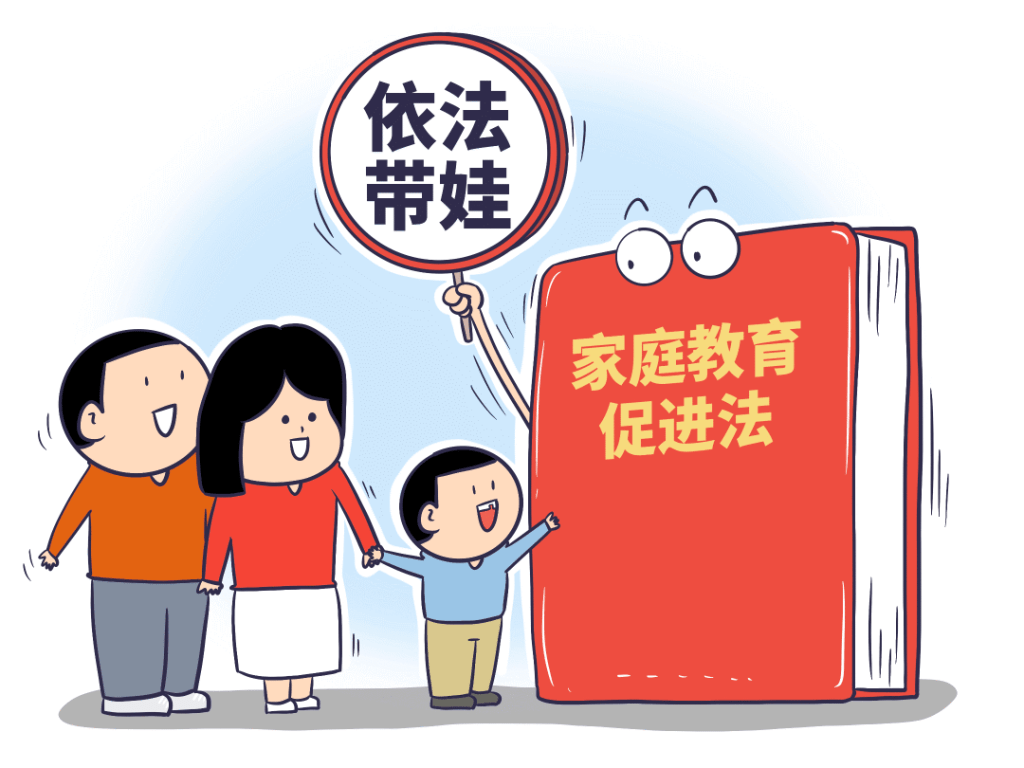
The “Family Education Promotion Law of the People’s Republic of China,” enacted in 2021, also provides policy support for the role of fathers in family education. This law clearly outlines the responsibilities that parents must fulfill in family education, detailing appropriate educational approaches. It underscores the importance of respecting children’s right to participate in family affairs and advocates for education and guidance based on scientific and reasonable principles. This reflects the government’s recognition of the pivotal role of fathers in family education at the national level, and it establishes legal provisions to support fathers’ active participation in their children’s upbringing.
3. Social and Cultural Perspective: Transforming Traditional Perceptions
In many cultures, the father’s role as the primary family breadwinner is often emphasized, leading to an underappreciation of their contributions to child education and companionship. Advocacy and educational initiatives aimed at transforming societal perceptions of fatherhood, and promoting a new image of fathers as actively involved caregivers, are crucial steps in developing child-friendly cities.
In March 2024, the Office of the Leading Group for the Construction of Child-Friendly Cities in Quzhou City, along with the Quzhou Spiritual Civilization Development Center, the Quzhou Education Bureau, and other organizations, issued a public appeal for the “Child-Friendly · Family Companionship” Triple-One Initiative across kindergartens and primary schools citywide. This initiative aims to cultivate a nurturing environment for children’s healthy growth by fostering family engagement. Specifically, it suggests designating one day a week as “Dad’s Day for Picking Up Children,” with fathers taking responsibility for drop-offs and pick-ups continuously or cumulatively for at least one week each month, using this time to engage in open and heartfelt conversations to strengthen the parent-child bond.
In recent years, several television networks have produced and broadcast programs centered on fathers’ roles in parenting. For example, Hunan TV’s “Where Are We Going, Dad?” and Mango TV’s “Dad’s Home” depict stories of fathers engaging with their children in various family settings. These shows have significantly raised public awareness of the importance of paternal involvement in child-rearing and have inspired more fathers to take an active role in their children’s lives.

The role of fathers in children’s development is crucial and must be recognized. A nurturing and supportive environment for children can only be achieved through the active participation of both parents. Whether through policy support, community-organized activities, or shifts in societal perceptions, fathers should take an active role in their children’s upbringing and contribute to the development of child-friendly cities.


 CCFU2089