
01. Safety First: Build a Secure Space
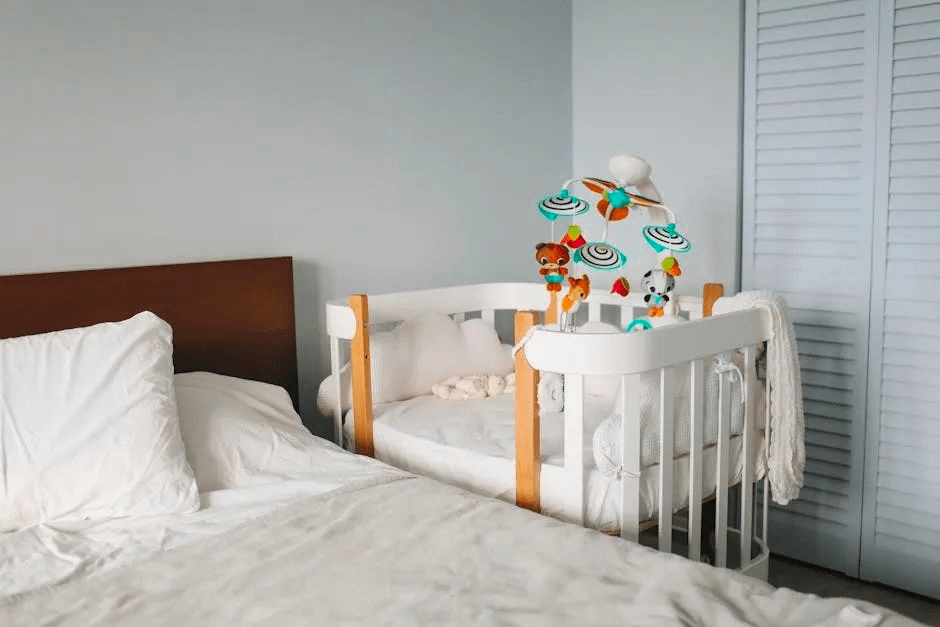
Ensuring safety is paramount. Beyond using rounded-edge furniture and secure windows and doors, safeguarding electrical outlets is essential. Use child-safe outlet covers that meet safety standards and arrange all wiring securely to avoid dangling cords that could tempt a child and cause hazards. Staircase safety is equally important, with specially designed child safety gates and railings installed to prevent accidental falls during play or exploration. Furniture safety can be enhanced by using storage cabinets and drawers with locks to prevent children from opening them, minimizing the risk of choking hazards or exposure to harmful substances.
02. Comfort Matters: Craft a Warm and Cozy Environment
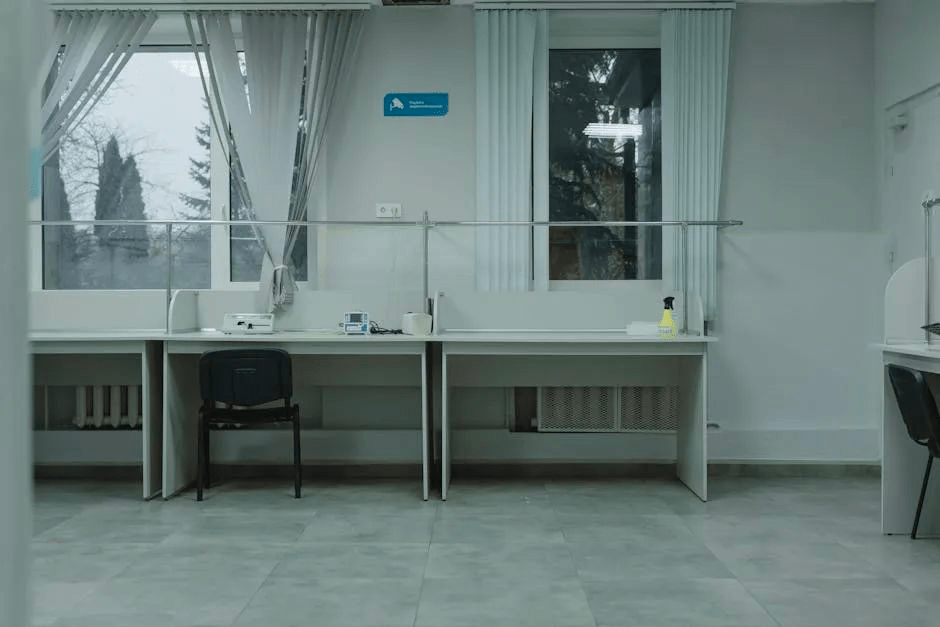
Creating a comfortable indoor environment requires not only soft colors and cozy furniture but also attention to the multifunctionality of the space. Convertible furniture, such as height-adjustable tables and beds, can grow with children and allow for flexible arrangements based on activity needs. Creative storage solutions, like built-in wall shelves or multifunctional furniture, can maximize space efficiency while maintaining a neat and pleasant appearance.
03. Inspire Creativity: Foster a Space for Exploration
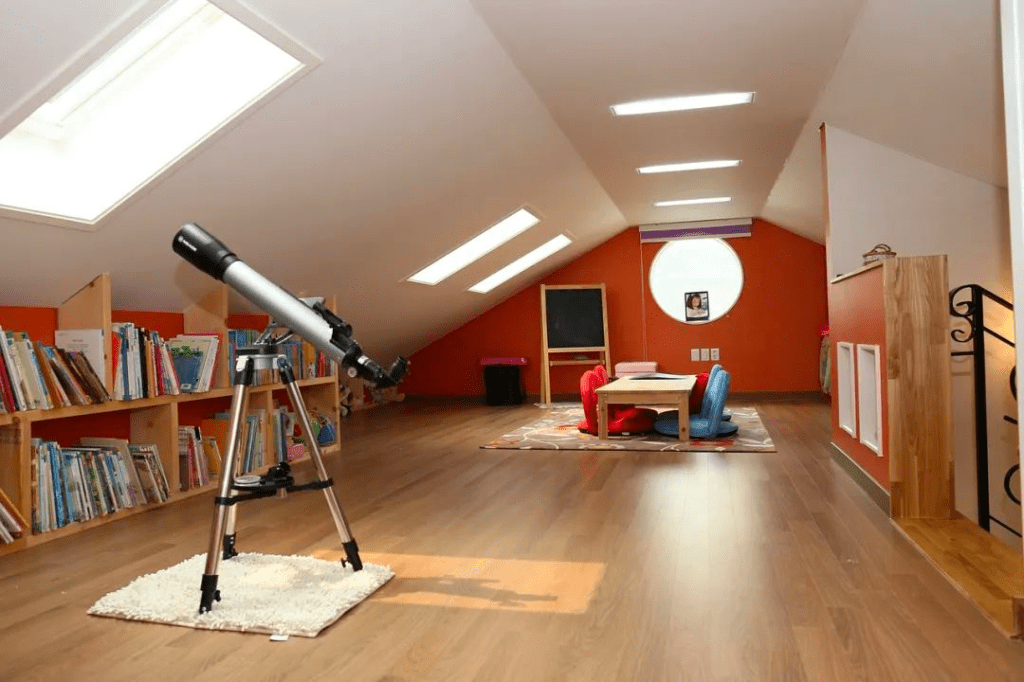
Designing an environment that encourages exploration and learning goes beyond traditional play areas. Creating spaces like science corners and nature zones, equipped with age-appropriate tools and natural materials, can ignite a child’s curiosity and love for learning. Integrating modern technology, such as tablets and smart devices with educational apps, can further broaden their learning experiences, enabling children to discover and explore the world in fun, interactive ways.

04. Easy-to-Clean Spaces: Maintain a Healthy Environment
To keep the indoor environment healthy, select easy-to-clean materials and furnishings and use non-toxic cleaning products. Regular cleaning and disinfecting of areas that children frequently play in or touch can effectively reduce the spread of bacteria and viruses. The use of air purifiers, along with consistent ventilation, improves indoor air quality and lowers the risk of allergies or respiratory issues, fostering a safe and healthy space for children’s growth.

05. Connect with Family Life: Enhance Parent-Child Interaction
When designing family-friendly spaces, it’s important to consider the needs of children at different ages and how family members interact. Shared spaces like home theaters, reading nooks, or playrooms can serve as entertainment zones for kids and places for families to bond. Engaging in family activities, such as crafts, cooking, or movie nights, can strengthen emotional ties and provide opportunities for children to develop social skills and learn teamwork.
06. Create Personalized Spaces: Tailored for Growth
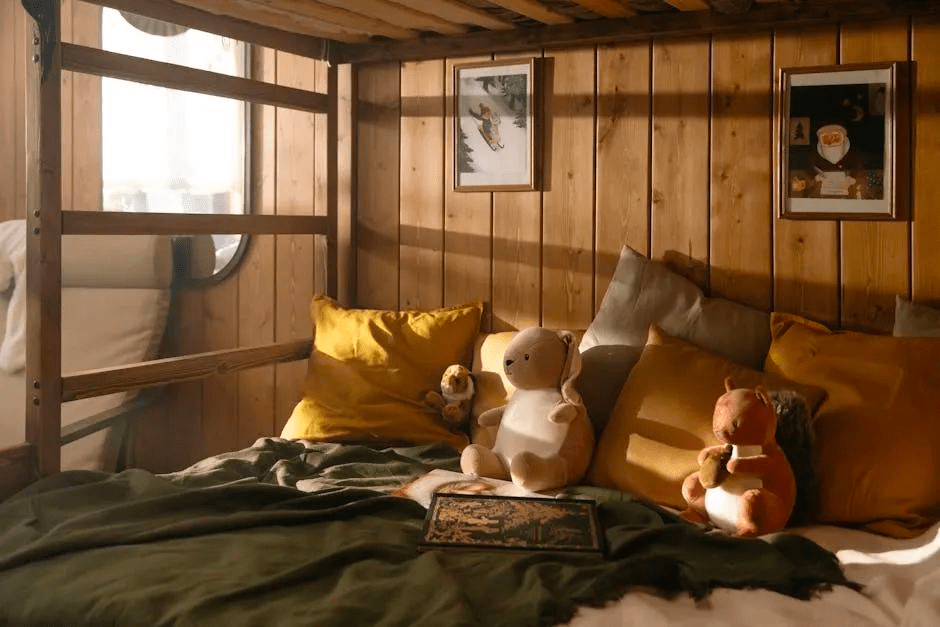
Tailoring spaces to match a child’s interests and personality can nurture their potential and creativity. For artistic children, an art corner stocked with paints, brushes, and craft supplies encourages free expression and artistic exploration. For budding scientists, a mini-lab with simple science kits can ignite their passion for discovery and problem-solving. These tailored environments not only align with children’s interests but also provide a safe space that encourages curiosity and exploration.
07. Seek Professional Guidance: Designing with Expertise
Leveraging the expertise of professional designers can provide invaluable insights when creating child-friendly spaces. Designers can advise on optimizing space, choosing safe materials, and creating multifunctional areas that adapt to a child’s needs. Furthermore, they can suggest design strategies that encourage independent exploration and learning while ensuring safety and comfort. By staying updated on current design trends, designers can blend style and practicality, creating spaces that are both fashionable and child-friendly.
08. Regular Safety Checks: Ensuring a Worry-Free Environment
Regularly inspecting furniture and toys is essential for maintaining a safe and healthy indoor environment. Parents should check that all toys and furniture are in good condition, free of sharp edges, and that all parts are securely fastened. Additionally, electronic devices and batteries should be routinely inspected to ensure there is no risk of overheating or leakage. Regular maintenance and timely replacements can prevent accidents and ensure a safe space for children to play and grow.

 CCFU2089