First Prize Winner of Hangzhou’s 2023 Outstanding Achievements in Educational Research (Comprehensive Category)
Wenhan Kindergarten, Qiantang District, Hangzhou
I. Research Overview
In order to implement General Secretary Xi Jinping’s important guidance on children’s development, fulfill national requirements, and embody the warmth of Hangzhou, our kindergarten has actively responded to Hangzhou’s call to create child-friendly schools. During this process, however, we identified key challenges: the neglect of children’s right to voice their opinions, leading to their “silence”; a disregard for their right to participate, resulting in their “absence”; and the overlooking of their fundamental rights, leaving them feeling “disempowered.” To address these issues, we have taken steps to empower children by exploring how to grant them specific rights and identifying which rights should be prioritized. Through this approach, we aim to build a new model of child-friendly kindergartens that raises children’s awareness of their rights and fosters their role as active, engaged participants.
II. Research Design
1. Concept Definition: One-Meter “Vision”
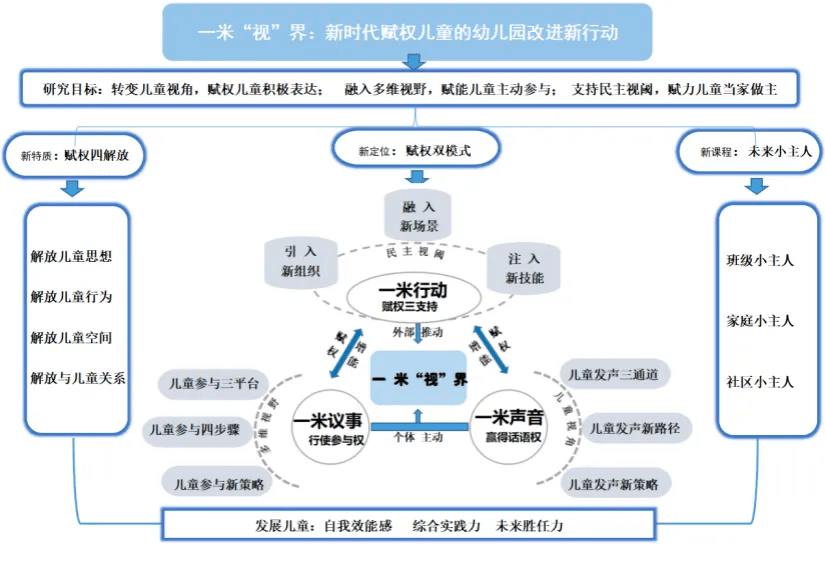
The “One-Meter Vision” is an innovative model for empowering children at our kindergarten, combining “One-Meter Voice,” “One-Meter Discussion,” and “One-Meter Action” to create a child-friendly educational practice that supports children as “little owners” of their kindergarten. Rooted in the principle of “seeing the world from one meter in height,” this concept encompasses three key aspects: a child’s perspective, a multi-dimensional vision, and a democratic horizon.
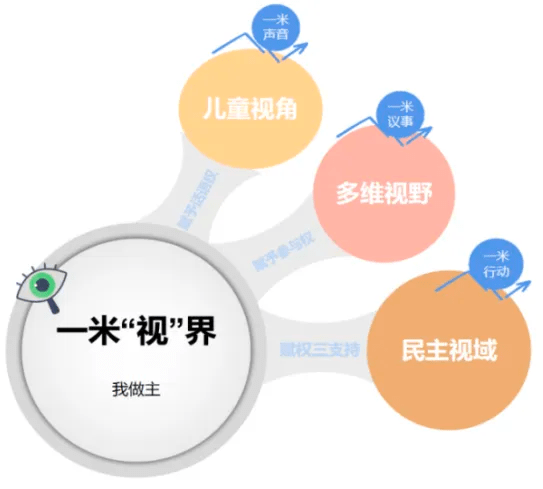
• The child’s perspective reflects a child-centered philosophy, encouraging observation from a child’s one-meter height to support their sensory experiences.
• The multi-dimensional vision recognizes diverse needs, supporting children’s unique forms of expression and incorporating interdisciplinary approaches that allow them to actively participate in school improvement from multiple perspectives.
• The democratic horizon empowers children to take charge, listening to their voices and respecting their opinions, fostering a collaborative approach involving home, kindergarten, and community for democratic participation.
2. New Positioning: Dual Empowerment Model
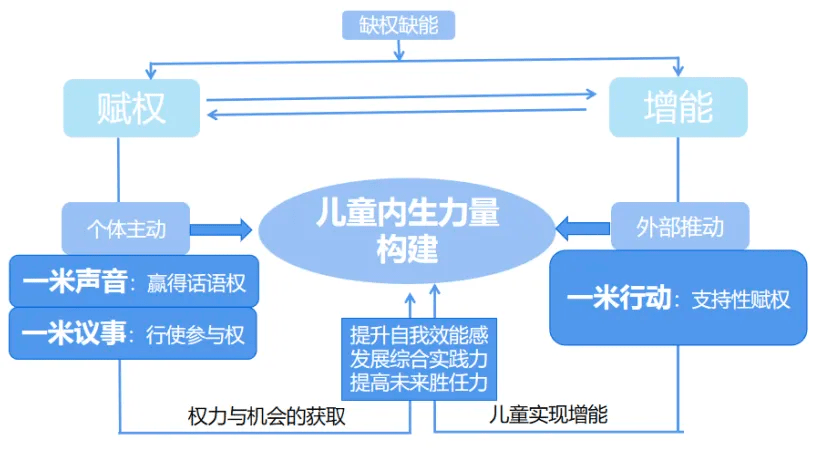
Empowering children involves granting them rights and stimulating their potential through a dual approach: “Individual Initiative” and “External Facilitation.”
• Individual initiative focuses on igniting a child’s intrinsic motivation, uncovering their unique talents, and enhancing self-efficacy. It includes practices like “One-Meter Voice” and “One-Meter Discussion.”
• External facilitation emphasizes reshaping the child’s surrounding environment by providing support through scene empowerment, organizational empowerment, and skill empowerment. “One-Meter Action” represents this external approach.
By engaging both internal motivation and external support, the model aims to grant children their rights, increasing their self-efficacy, practical abilities, and competencies for the future.
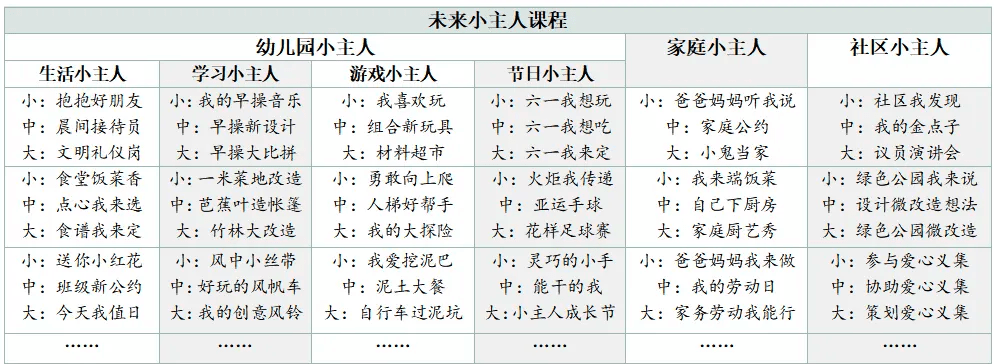
3. New Curriculum: “Future Little Owners”
The “Future Little Owners” curriculum is designed to empower children to actively improve their kindergarten environment. Within real-life contexts of play, learning, and everyday activities, the curriculum encourages children to “learn what I want to learn, do what I want to do, and solve the problems I want to solve.” Specific courses tailored to different age groups support this holistic approach, as detailed in the accompanying table.
4. New Characteristics: Four Aspects of Empowerment
• Empowering children’s thoughts: Granting children the right to express their opinions and exercise their rights as children. From a strengths-based perspective, this approach trusts in children’s abilities, respects their imagination and needs, and encourages them to use their natural talents to develop into “future little owners.”
• Empowering children’s actions: Encouraging children to practice their own “child-centered methods” and giving them the right to participate. Children are empowered to take responsibility for their actions, fully engaging their eyes, hands, and minds in creative and self-driven learning.
• Empowering children’s spaces: Creating their own “children’s paradise” by giving them the right to act. Flexible and diverse learning environments are constructed, fostering collaboration between home, kindergarten, and community, and enabling children to engage meaningfully with the world beyond kindergarten.
• Empowering relationships: With a “one-meter height” perspective, the approach is child-centered, striving for visual equality and democratic dialogue in kindergartens, families, and social groups. This redefines teacher-child relationships, promotes empathetic parent-child bonds, and builds mutually beneficial community relationships.
5. Research Framework
The “One-Meter Vision” model focuses on empowering children to improve their kindergarten environment through “One-Meter Voice” (granting the right to speak), “One-Meter Discussion” (granting the right to participate), and “One-Meter Action” (providing empowerment through supportive methods). This approach forms a new model for child-friendly practices, demonstrating empowerment and capacity-building. It seeks new tools, processes, and methods to enhance empowerment, ultimately enabling children to become active “little owners” of their kindergarten. The operational framework is depicted in the diagram.
III. Empowering Children’s Voices through “One-Meter Voice”
From the perspective of a child, “One-Meter Voice” gives every child the opportunity to be heard. By shifting to a “one-meter height” perspective, the needs and voices of children are listened to and valued, building new pathways for their expression and making dialogue a habitual practice. This approach meets children’s diverse needs for self-expression and ensures their right to speak. Through “One-Meter Voice,” we aim to inspire individual initiative and empower all children to become “little owners” of their kindergarten. This is achieved by creating three channels for expression, establishing new pathways, and implementing three strategies for effective empowerment.
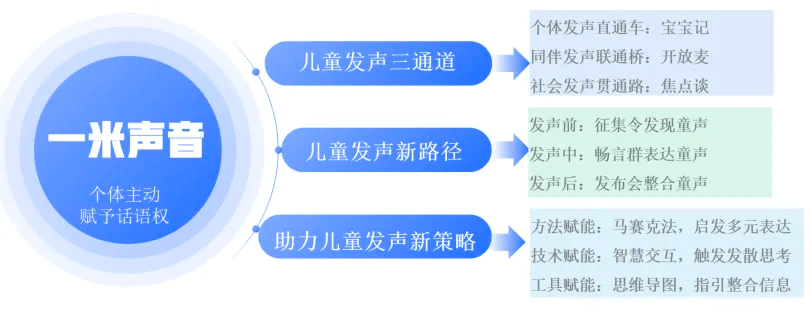
1. Three Channels for Children’s Expression: Baby Diary, Open Mic, Focus Talk
• Direct Line for Individual Expression: The Baby Diary is designed to encourage children to express their real thoughts and unique needs, starting with simple phrases like “I need…” and “I want…” to foster self-awareness and communication skills.
• Bridge for Peer Expression: Open Mic serves as a platform for children to engage in discussions with their peers on new topics. It provides a space for joint exploration and group conversations, emphasizing the importance of relationships and collaborative thinking.
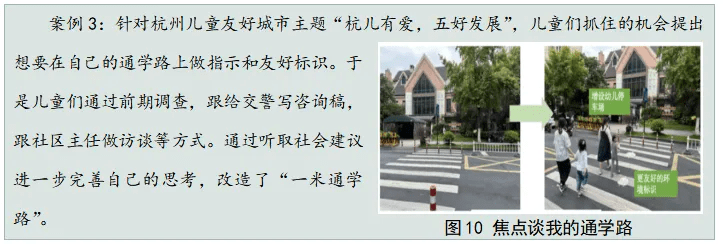
• Pathway for Social Expression: Focus Talk involves topics derived from children’s experiences outside of the kindergarten, including issues related to their community, family, and significant events. This helps children connect their learning with the real world and social context.
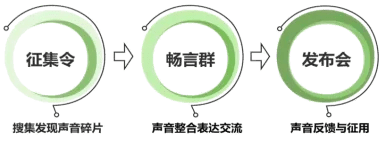
2. New Pathways for Children’s Expression: Collect, Discuss, Share
• Collecting: Prior to discussions, the kindergarten regularly issues topic collection announcements to uncover children’s voices. Within classroom groups, topics are randomly generated, and cross-surveys are conducted to gather diverse opinions.
• Discussing: During discussions, children form teams to debate differing viewpoints, expressing their thoughts freely both online and offline. These activities encourage the integration and organization of fragmented ideas into coherent expressions.
• Sharing: Weekly meetings are held where children showcase their “most beautiful voices,” and their viewpoints are articulated and shared through voting, giving every child the chance to be heard and appreciated.
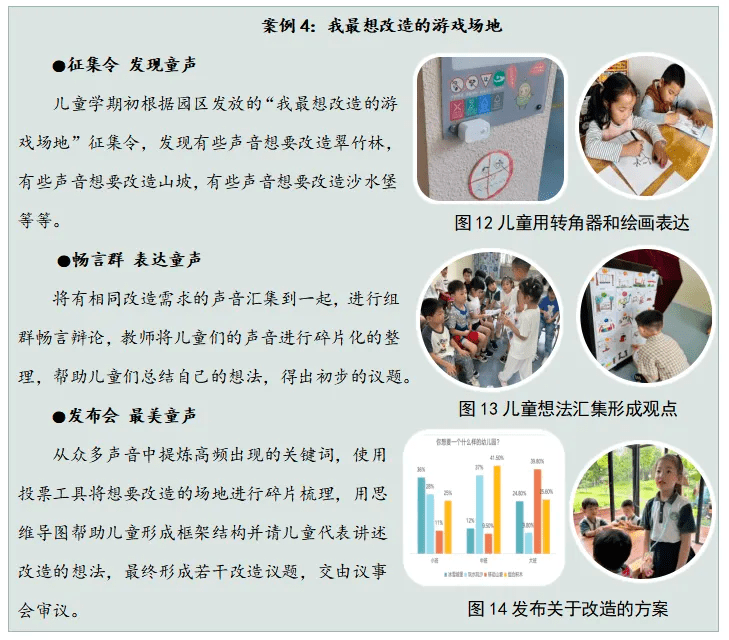
3. New Strategies to Support Children’s Voices: Method Empowerment, Technology Empowerment, Tool Empowerment
• Method Empowerment: The “Mosaic Approach” is applied to inspire a variety of expressions from children, encouraging them to communicate through multiple formats and perspectives.
• Technology Empowerment: Interactive technology is utilized to stimulate divergent thinking in children. By introducing screen-based interactive scenarios, children move away from passive learning and are encouraged to think critically and creatively.
• Tool Empowerment: Mind mapping tools, such as “Tree Diagrams” and “Wisdom Trees,” are employed to help children focus their thoughts, organize information, and select appropriate topics, thereby bringing their ideas to life and making them actionable.
This approach collectively fosters an environment where children’s voices are actively heard, valued, and integrated into the kindergarten’s culture, supporting their growth as empowered participants in their learning journey.
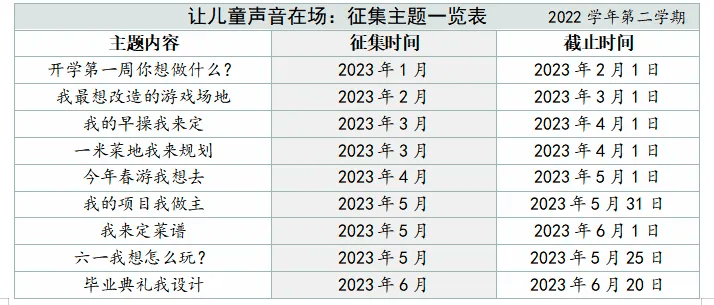
IV. Empowering Children through “One-Meter Discussion”: A Multi-Dimensional Vision and Full Participation
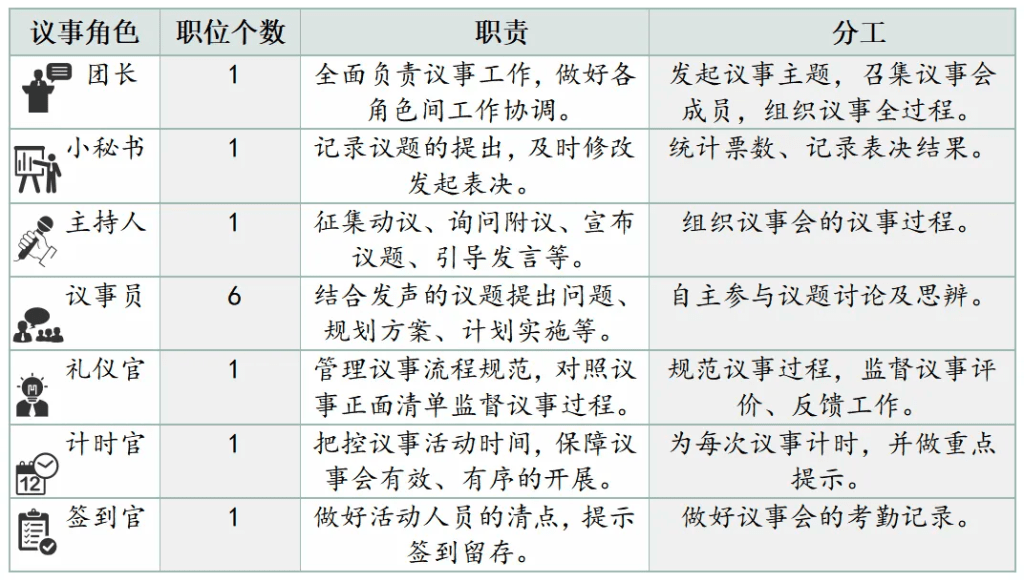
“One-Meter Discussion” encourages children to take responsibility for their own matters and share their perspectives. By forming a children’s discussion group that integrates multiple perspectives, this approach stimulates diverse expressions and creativity, enabling children to participate equally in decision-making, discussions, trials, and practical activities that directly concern them. In doing so, children are empowered to fully exercise their right to participate, paving the way for them to become “little owners” of their kindergarten and generating the “Future Little Owners” curriculum through hands-on experience.
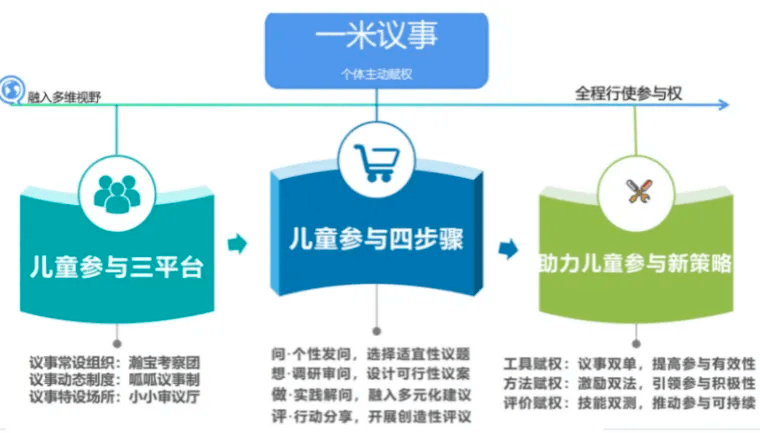
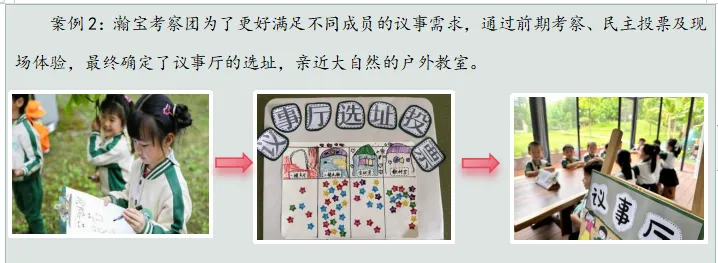
1. Three Platforms for Children’s Participation: Inspection Group, Discussion System, Deliberation Hall
• The “1+12” Hanbao Inspection Group is a standing body for discussions, centered around children and composed of council members. The “1” refers to the administrative organization of the kindergarten office, while “12” represents child representatives from the small, medium, and large age groups, forming a council.
• The Guagua Discussion System is a dynamic decision-making structure where children collaboratively adhere to discussion procedures. They participate in creating policies and rules alongside teachers, such as the Guagua Discussion System and 10 Must-Do Items, ensuring that children maintain a leading role in discussions. Additionally, they develop the “1+12” Hanbao Inspection Group Action Guidelines to nurture an understanding of rules and structure.
• The Little Deliberation Hall is the space designated for discussions. It includes physical facilities like round tables and sign-in stations, and provides psychological support to accommodate individual differences through formats like “snowball,” “rocking horse,” “pen talk,” and “fishbowl.” These diverse formats empower all children to participate in ways that suit their abilities, helping them to speak boldly and think critically.
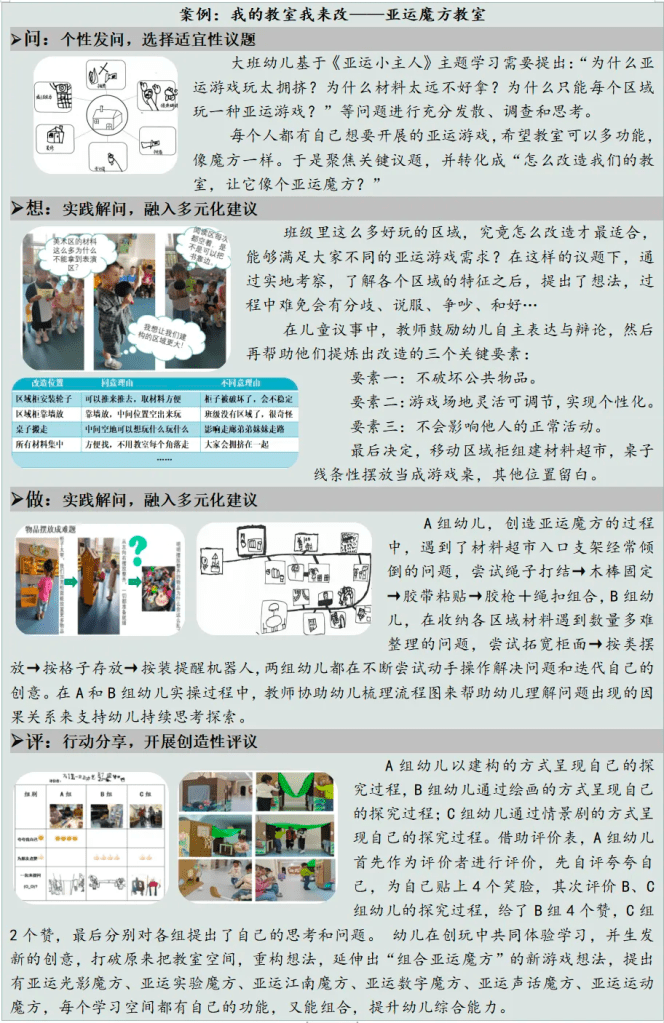
2. Four Steps of Children’s Participation: Ask, Think, Act, Review
A four-step process, “Ask, Think, Act, Review,” was developed to empower children throughout their participation journey.
• Ask: Children are encouraged to pose personal questions and select topics that interest them. Surveys and interviews are then conducted to outline specific details, including steps, timelines, locations, and role distribution.
• Think: Children engage in planning by collaboratively exploring ideas, refining plans, and understanding how to address challenges. This step emphasizes creativity and exploration.
• Act: Children put their plans into action, practicing problem-solving, and improving through interactions with peers. By incorporating cross-disciplinary perspectives, they refine and adapt their ideas continuously.
• Review: Finally, children share their actions and experiences in real-life settings, and receive constructive feedback from peers on their activities and the decision-making process, fostering a culture of reflective practice.
3. New Strategies to Support Children’s Participation: Discussion Lists, Encouragement Techniques, Skills Assessments
To support children’s active participation in discussions, the following strategies are used:
• Discussion Lists: A discussion issue list helps children structure their thoughts and broaden their perspectives, while a discussion record list enables them to review and deepen their understanding of topics, thereby enhancing effective participation.
• Encouragement Techniques: Two methods, Icebreaker Bump and Shining Star, are employed. Icebreaker Bump helps children connect and become familiar with their discussion partners, while Shining Star incentivizes sustained participation, boosting each child’s enthusiasm.
• Skills Assessments: Tools like the Little Convention and Emotion Spectrum assess whether children are following rules and engaging with positive emotions during discussions, promoting the sustainability and depth of their participation.
This holistic approach fosters a culture where children are encouraged to express their opinions, participate actively in discussions, and develop their decision-making skills, thereby empowering them to take ownership of their learning and kindergarten experience.
V. “One-Meter Action” Empowerment for a Democratic Horizon: Comprehensive Triple Support
External empowerment aims to reduce children’s sense of “powerlessness” within the kindergarten, family, and community, helping them awaken their sense of agency and awareness of democratic governance. “One-Meter Action” is an externally driven supportive empowerment model that benefits children’s development and the kindergarten as a whole. By transforming perceptions of children and employing a three-fold support system—organizational empowerment, scenario-based empowerment, and skill empowerment—this approach fosters active participation, helping children grow as “little owners” of their environment and promoting democratic participation.
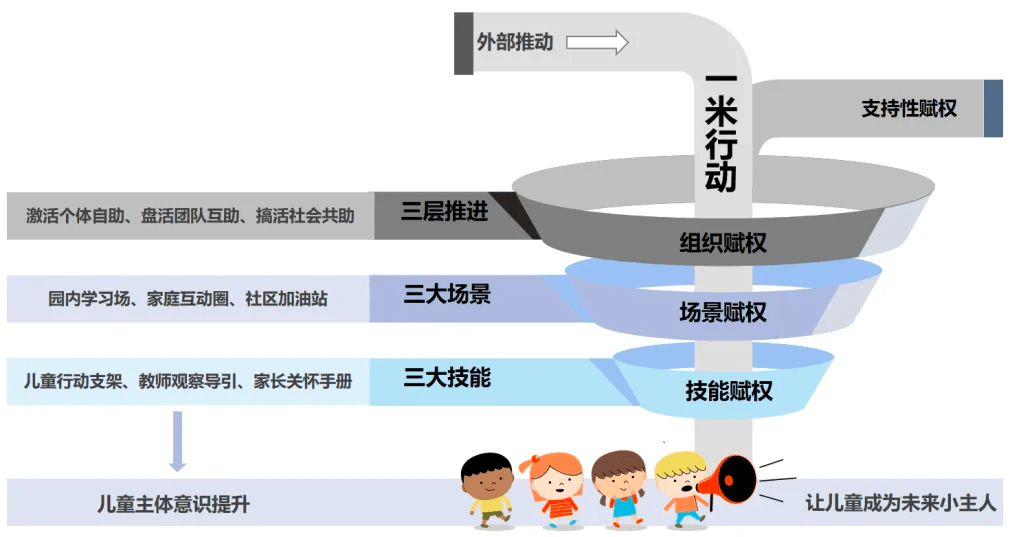
1. Organizational Empowerment: Three Layers to Activate Empowerment and Cohesion
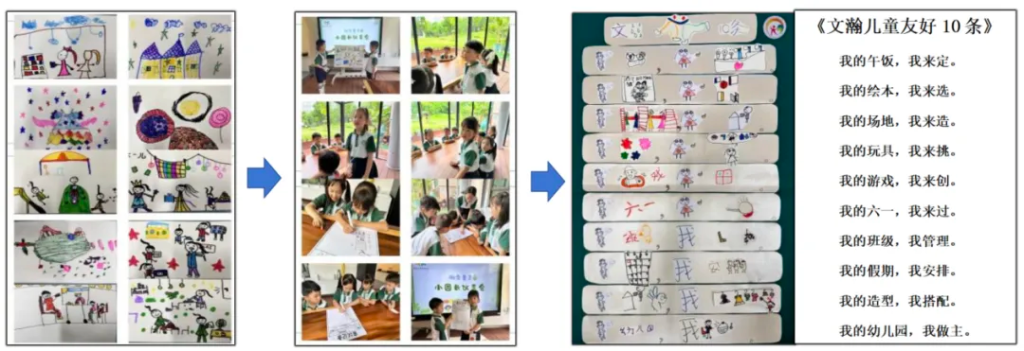
• Awakening Children’s Agency: The release of a children’s rights declaration based on the Children’s Rights Convention lays the foundation for empowerment. The “One-Meter Action” is introduced across kindergarten, family, and community levels, supported by three key declarations: Wenhan’s 10 Guidelines for Child-Friendliness, Hanbao’s 8 Family-Friendly Measures, and Yunbin Community’s 6 Codes for Child-Friendliness. These declarations are designed to give children a sense of their rights and responsibilities.
• Building Equal Support Networks: Equal dialogue is facilitated through emotional connections, such as the Chasing Light Educational Research Project, which redefines teacher-child relationships based on equality. Initiatives like the Dear Family Meeting enhance parent-child relationships.
• Fostering Collaborative Community Support: To normalize “One-Meter Action,” three support mechanisms are established: developing a system for generating content in child governance, maintaining a sustainable learning community for shared growth, and launching a collaborative education model driven by the Little Owner Passport incentive system.
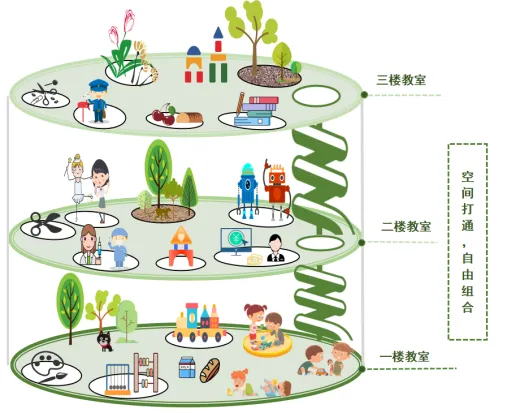
2. Scenario-Based Empowerment: Three Key Settings to Drive Integrated Empowerment
• Learning Space within Kindergarten, Family Interaction Circle, and Community Support Station: These three scenarios are built on the principles of “considering the child’s perspective,” “integrating educational thinking,” and “empowering for the future.” Within the kindergarten, children are encouraged to freely explore; at home, they engage in equal and open dialogue; and within the community, they interact meaningfully with others. This trinity of kindergarten, family, and community forms an educational collective that empowers children by recognizing and upholding their rights.
3. Skill Empowerment: Three Skill Sets to Build Effective Participation
• Skill Empowerment as a Core Support: This approach ensures that children develop the skills necessary for effective expression and participation. Three skill-building pathways are established:
• Action Scaffolding for Children: Providing guidance and support to enable active participation.
• Observation and Guidance for Teachers: Equipping teachers with strategies to observe, support, and encourage children’s involvement.
• Care Manuals for Parents: Offering parents resources to nurture their children’s growth and participation.
By focusing on these skill sets, children, teachers, and parents are all equipped to enhance empowerment, ensuring children can actively engage in discussions and activities within their environment.
Collectively, these strategies in organizational structure, scenario-based settings, and skill development support a democratic approach where children are empowered to express themselves, participate fully, and take an active role as “little owners” of their learning and surroundings.
VI. Research Outcomes
1. Children as Decision-Makers: New Empowerment and Identity
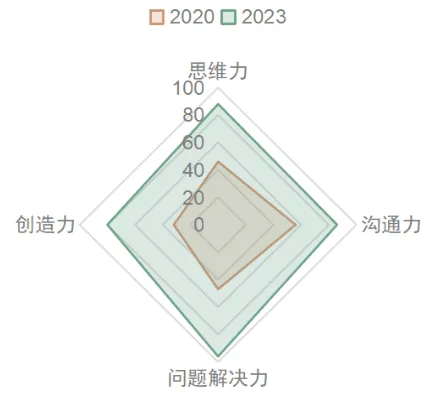
By empowering children to voice their thoughts, their self-efficacy has grown, allowing them to express themselves actively and dynamically, making learning more vibrant and meaningful. A total of 77.6% of children reported improved self-efficacy, discovering their strengths, gaining confidence, and greatly enhancing their sense of autonomy and responsibility. This empowerment process also enhanced children’s comprehensive practical skills, as their participation in discussions involved sensory engagement—using their eyes, ears, hands, and minds in multi-dimensional interactions that transformed their thinking. According to the 2023 monitoring of children’s practical abilities, 92.3% of children expressed enjoyment in participating in discussions and governance, marking a 60.1% increase since 2020. Children demonstrated significant improvement in thinking skills, communication, problem-solving, and creativity. Furthermore, children developed “future competencies” by actively engaging as “little owners” in building a child-friendly city. Every semester, the child-led discussions have had high participation and impact, leading to real-world changes like reducing littering and improving shared bike parking at the kindergarten entrance through child governance. Over the years, children have evolved from being passive observers to proactive problem-solvers, taking ownership of issues in their surroundings and influencing others through positive actions.
2. Kindergarten Improvement and a New Model of Child Empowerment
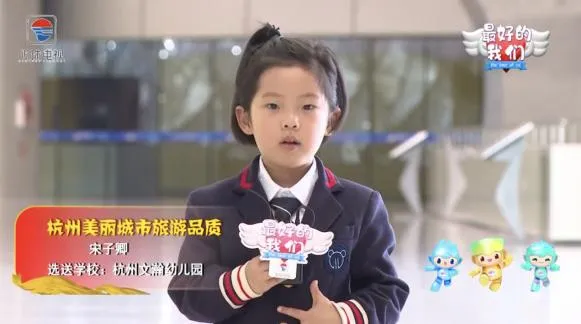
A unique model of expression was established within the kindergarten, comprising three channels—Baby Diary, Open Mic, and Focus Talk—granting children the right to voice their thoughts and embedding child participation throughout all areas. For instance, during Focus Talk sessions, children discussed current events such as the Hangzhou Asian Games, sharing their views not only within the kindergarten but also through structured activities like “opinion statements, open discussions, idea summaries, and dialogues with experts,” eventually leading to Hanbao Observation Group members appearing on Hangzhou TV.
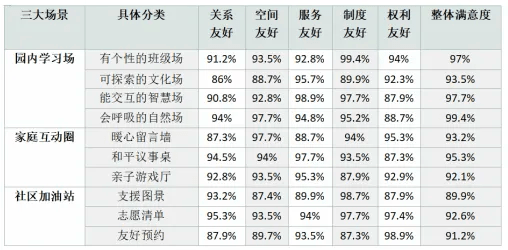
The empowerment approach was further reinforced by a four-step model of “Ask, Think, Act, Review,” which effectively shifted the perspective of children in the kindergarten, connected to their emotional needs, encouraged independence, and enhanced the kindergarten’s child-friendly atmosphere. Additionally, the creation of three empowerment scenarios—the learning space in the kindergarten, family interaction circle, and community support station—ensured that children’s rights were advanced in all areas of their lives. For example, regular assessments of children’s satisfaction and five child-friendliness indicators were conducted, and adjustments were made based on their feedback to optimize the empowerment experience.
3. Establishing a New Brand and Ecosystem for Empowerment
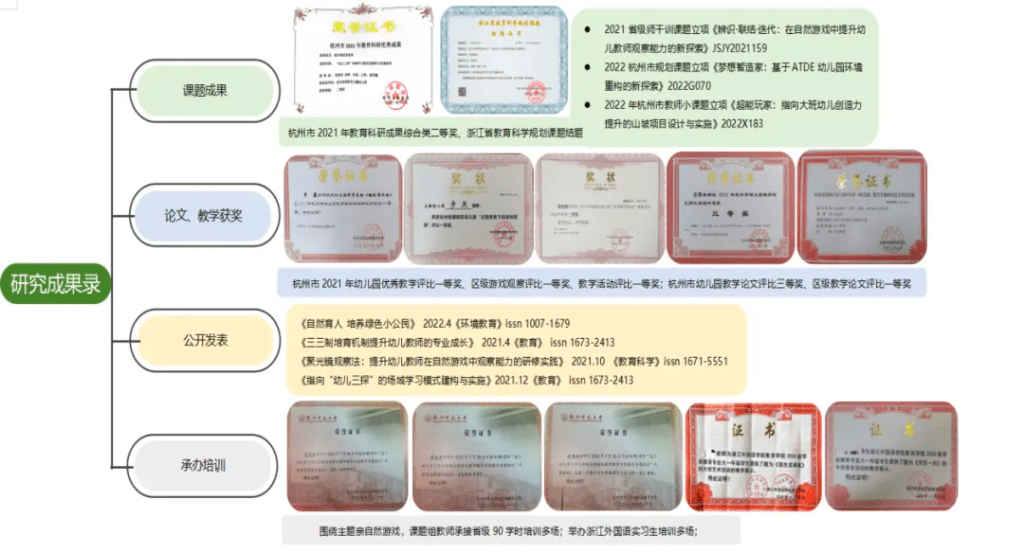
Exploring child empowerment has solidified “One-Meter Vision” as the kindergarten’s core brand, with practical strategies for implementing child-friendliness through “One-Meter Voice,” “One-Meter Discussion,” and “One-Meter Action.” These approaches have driven the establishment of child-friendly spaces, enhanced curricula, and deeper child engagement throughout the kindergarten. As a result, related courses have been honored as “City Premium Courses.” The creation of a new system of equal teacher-child dialogue has transformed educational methods, reshaped teachers’ perspectives on children, and effectively enhanced their observation skills, earning second prize in the city’s educational research awards. A “trinity” child-friendly growth circle has been formed across kindergarten, family, and community, converging around the child-friendly concept and reflecting the warmth of the “One-Meter Vision.” In 2023, Zhejiang Provincial Party Secretary Yi Lianhong, alongside other provincial and city leaders, visited the kindergarten to assess the child-friendly environment, giving high recognition to the group’s establishment of a “Happy Growth Circle” centered on child development.
VII. Outlook
The “One-Meter Vision” represents an innovative model for kindergartens to actively build child-friendly environments. Through the dual empowerment approach, the initiatives of “One-Meter Voice,” “One-Meter Discussion,” and “One-Meter Action” elevate children’s awareness of their rights and agency. Going forward, research should inject new momentum into this model by enhancing the “Future Little Owners” curriculum and harnessing technology to support child-friendly improvements and creativity. Additionally, collaboration with a diverse range of stakeholders—parents, communities, universities, and beyond—will be crucial in providing resources and support to help kindergartens build and evaluate child-friendly schools, thereby advancing “Child-Friendly” initiatives across all levels.
The “One-Meter Vision” aims to embed child-friendly principles as a shared understanding among teachers and a conscious practice throughout the kindergarten, ensuring that children genuinely become “little owners” of their environment. Teachers become partners in children’s growth, contributing to a more child-friendly kindergarten and fostering long-term educational development. By moving beyond a purely protective role to one of empowerment, children are given the rights and opportunities to explore and develop themselves, allowing each child to grow in a nurturing environment and achieve “One-Meter Happiness.”
 CCFU2089