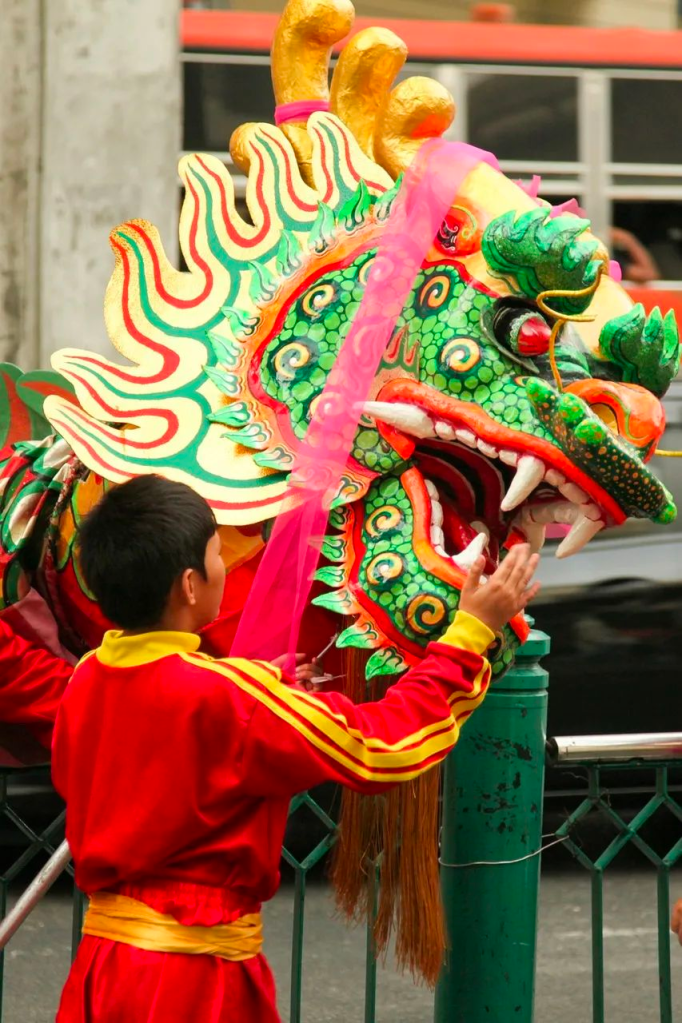
In China, ancient cultural traditions and rapid social progress blend harmoniously, collectively creating a unique vision for building child-friendly cities. Here, history and the future merge into a vibrant and dynamic narrative, fostering a child-friendly ecosystem that is deeply rooted in traditional Chinese culture while also adeptly adapting to modern changes and the challenges of globalization.
The concept of a child-friendly city in China is comprehensive, encompassing diverse aspects such as education, family life, community engagement, technological innovation, and respect for cultural diversity. This holistic approach not only reflects China’s deep commitment to children’s growth and well-being but also vividly illustrates the creativity and resilience of an ancient civilization meeting the demands of modern society.
1. Harmonizing Educational Philosophies
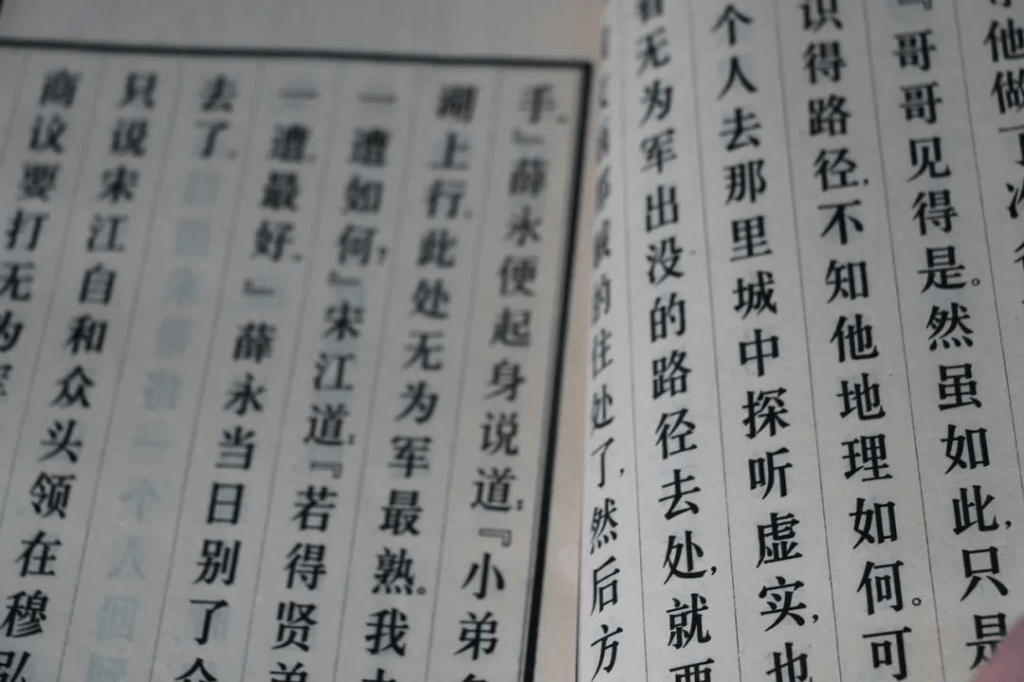
The integration of educational philosophies is crucial to building child-friendly cities in China. This harmonization not only highlights the unique characteristics of the Chinese education system but also reflects a thoughtful blend and innovation of traditional and modern educational wisdom.
First is the rich foundation of traditional education. Chinese education is deeply rooted in Confucian philosophy, where moral and character development are regarded as vital. The focus extends beyond merely imparting knowledge to shaping character and moral values. Within this cultural backdrop, nurturing children’s moral development and social responsibility stands as a core aspect of education.
Second is the adoption of modern educational concepts. As society evolves, the Chinese education system has actively embraced modern educational elements such as creativity, critical thinking, and personalized learning, providing students with broader opportunities for exploration. These modern teaching methods encourage students to explore, question, and innovate, complementing traditional values of discipline and memorization.
Third is the convergence of educational philosophies. The blend of traditional and modern approaches reveals a distinctive diversity in Chinese education. It retains a strong emphasis on moral education while remaining open to global educational trends, allowing children to find a balance between traditional values and modern skills, ultimately laying a solid foundation for their development on the global stage.
2. The Evolution and Reshaping of Family Dynamics
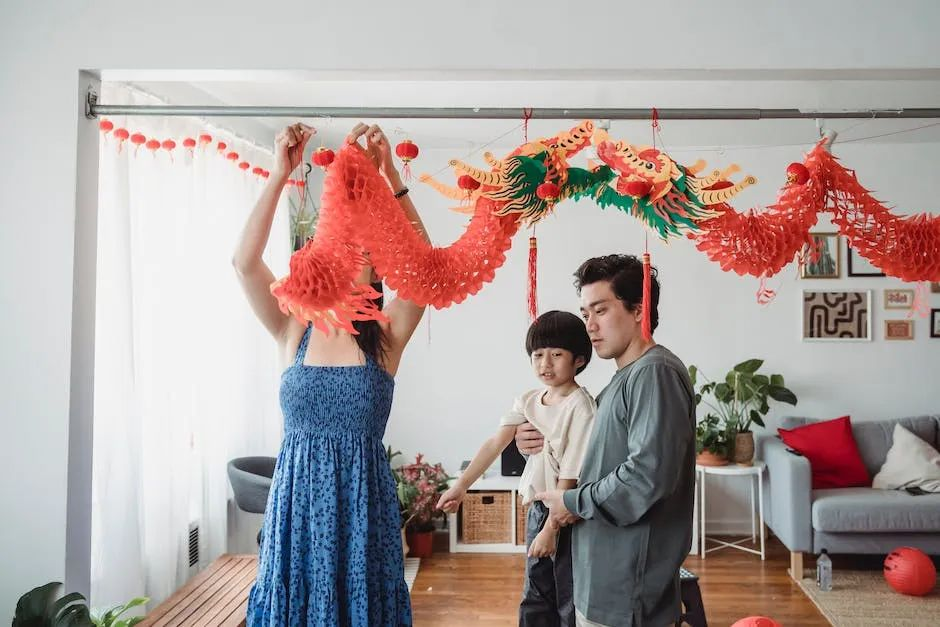
Family dynamics play a central role in developing a child-friendly city with Chinese characteristics. The transformation of these dynamics not only reflects social and cultural progress but also vividly illustrates the fusion of traditional values with modern family ideals.
First is the traditional concept of family. In Chinese culture, the family has long been seen as the cornerstone of social structure, with an emphasis on intergenerational bonds and a strong sense of family responsibility. The value of filial piety—respecting the elderly and caring for the young—is deeply rooted in family relationships, fostering a social atmosphere of respect, harmony, and clearly defined family roles.
Second is the transformation of the modern family. Against the backdrop of rapid economic development and shifting social perspectives, the structure and dynamics of Chinese families are undergoing significant change. Increasingly, families focus on emotional communication and individual independence. Parent-child relationships are becoming more equal and open, emphasizing mutual respect and understanding.
Third is the interplay between tradition and modernity within family relationships. As traditional and modern values blend, Chinese family structures are evolving to reflect a new balance. While continuing to value filial piety and family bonds, families are also adopting modern ideals of individual expression and emotional connection. This evolution creates a more supportive and understanding environment for children’s growth and development.

3. A New Trend of Respecting Children’s Individuality
In the development of child-friendly cities with Chinese characteristics, respecting the individuality of each child has become a new trend in both education and parenting. This shift marks a significant transition from traditional collectivist ideals to a focus on individualized care, emphasizing each child’s unique traits and potential.
First, the importance of respecting individuality is now widely recognized. In traditional educational models, an overemphasis on collective values and standardized expectations often limited children’s ability to express their individuality and creativity. However, as Chinese society and educational perspectives evolve, modern education has increasingly prioritized personalized expression and talent development. This change is evident in educational policies, family upbringing, and the broader social environment, all of which aim to cultivate each child’s unique talents and interests.
Second, educational approaches are increasingly personalized. Schools and teachers are placing greater emphasis on adapting to the needs of each child. Traditional standardized curricula have given way to methods that include exploratory learning, project-based tasks, and tailored feedback for individual students. Such an approach encourages children to explore their interests and abilities, fostering their curiosity and creativity.
Third, support and understanding within families play a crucial role. Modern Chinese parents are becoming more aware of the significance of supporting their child’s personalized development—not only providing for their basic needs but also understanding and encouraging their unique interests, respecting their emotions and opinions, and making the family a safe haven for children to explore and develop their individuality.
4. Prioritizing Children’s Safety and Health
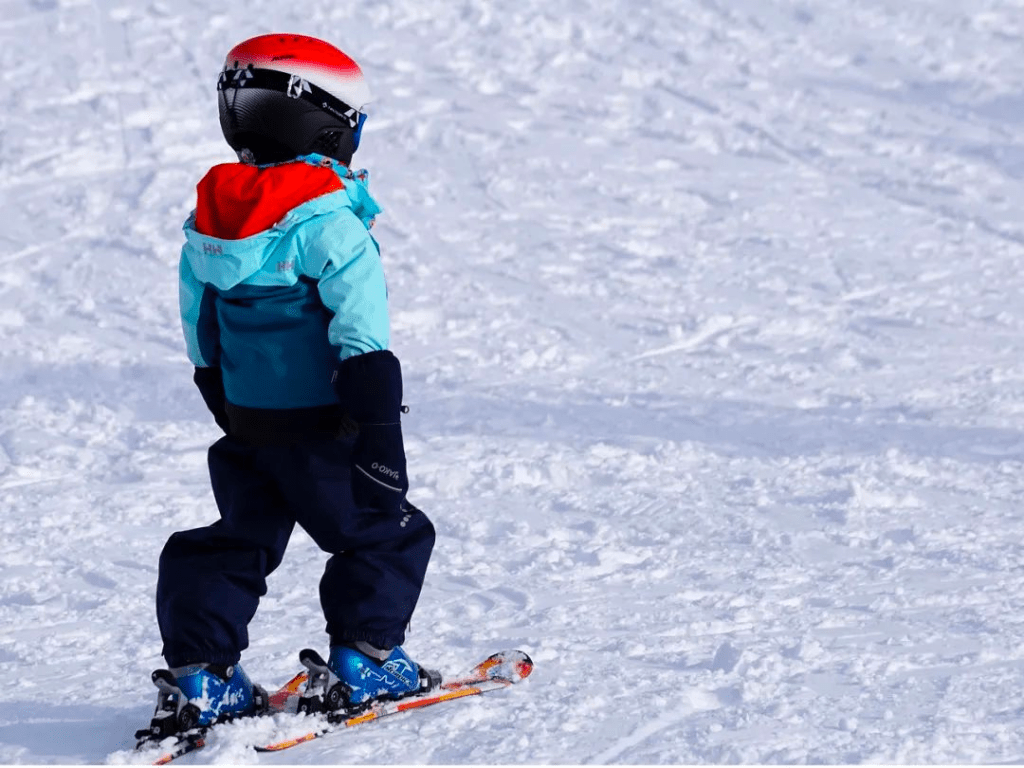
In developing child-friendly cities with Chinese characteristics, the safety and health of children are given the utmost priority. This focus not only demonstrates a deep concern for children’s fundamental rights but also reflects a thoughtful approach to their future growth and development.
First, safety as the foundation and protection: In a rapidly changing and increasingly complex society, ensuring children’s safety has become a shared responsibility among families, schools, and the wider community. Urban planning now places a greater emphasis on constructing children’s playgrounds and ensuring safe school environments, along with heightened attention to safeguarding children’s safety both online and offline.
Second, health as the key to holistic development: The concept of child health has broadened to encompass physical, psychological, and emotional well-being. Modern China places growing importance on mental health within educational and family settings, offering the necessary support and guidance, such as mental health education programs and stress management training provided by schools and community services.
Third, the environment as the basis for healthy growth: With increased environmental awareness, creating a setting that supports children’s health has become essential. This includes improving air quality, providing access to clean drinking water, and developing green spaces, all of which contribute to a healthier and more nurturing environment for children to thrive.
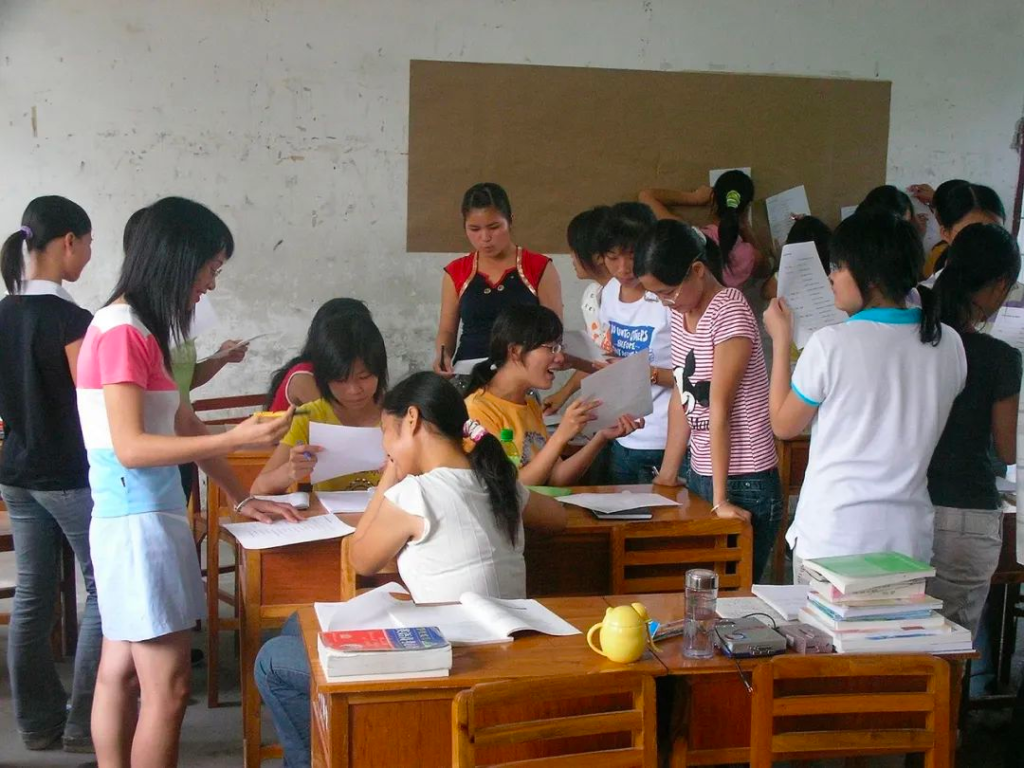
5. Encouraging and Enabling Children’s Participation
A defining feature of child-friendly cities in China is the growing emphasis on children’s active participation. This trend reflects a heightened focus on children’s voices and decision-making abilities, creating valuable platforms for their social involvement and personal growth.
First, there is increasing recognition of the importance of children’s participation. In modern China, a widespread consensus is emerging that children should be seen as active participants rather than passive recipients. Across families, schools, and communities, children are encouraged to express their opinions and ideas. This approach not only builds their confidence and independence but also fosters responsibility and social skills.
Second, children’s involvement in family decision-making is becoming more common. Parents are encouraging their children to take part in everyday decisions, such as choosing meals or planning family activities. This involvement helps children feel valued and respected, while also teaching them essential skills in decision-making and problem-solving.
Third, the active participation of children is being strongly promoted in schools and communities. Schools encourage students to engage in activities such as observation groups, the Red Scarf Proposal Team, student councils, and roles like “student principal,” providing opportunities to voice their opinions and take part in collective decision-making. In the broader community, through participation in community service and cultural activities, children gain insight into social issues and develop a sense of responsibility and engagement within their community. These experiences collectively nurture their sense of agency and empower them to contribute meaningfully to society.
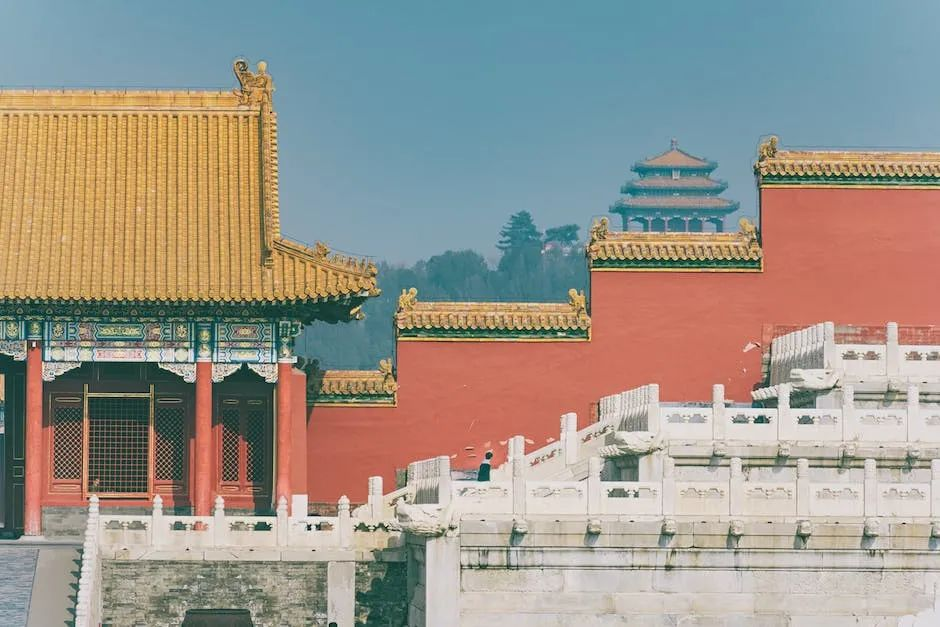
6. Embracing Cultural Diversity
The integration of social and cultural diversity is a key aspect of building child-friendly cities in China. This focus not only highlights China’s openness amid globalization but also emphasizes the importance of nurturing children’s understanding and respect for different cultures.
First, advancing multicultural education: With initiatives like the “Belt and Road” promoting international connections, China’s cultural exchanges with other societies are expanding. Schools and educational institutions are incorporating multicultural education into their curricula, allowing children to learn about the histories, languages, and customs of different countries. This approach broadens their perspectives and cultivates an appreciation and respect for diverse cultures.
Second, fostering cultural exchange and understanding: Within this multicultural learning environment, children are encouraged to participate in a range of cultural exchange activities, including international student exchanges, multicultural festival celebrations, and global cooperation projects. Such experiences allow them not only to learn about different cultures but also to gain firsthand exposure to cultural diversity, deepening their understanding and empathy.
Third, preparing for globalization: In a globalized world, equipping children with an understanding of cultural diversity is vital. It helps them develop an open and inclusive worldview and lays a solid foundation for future communication and collaboration in international settings. Through education and social practice, China is actively providing children with the knowledge and skills they need to meet the challenges of globalization.
The development of child-friendly cities in China reflects a deep respect for children’s rights and potential, as well as a commitment to the nation’s future and the global community. As this vision continues to evolve and improve, it signals the emergence of a more open, inclusive, and capable new generation—one that will play an important role on the world stage and contribute to a more harmonious and sustainable future.
 CCFU2089