
Last year, URKIDS & CCFU2089 participated in the creation of a child-friendly hospital at the Wenxin Community Health Service Center in Xihu District, Hangzhou, providing think-tank support throughout the process. In doing so, we engaged with multiple children’s hospitals, community health service centers, and maternal and child health hospitals. Despite the consensus on the four key elements of child-friendly hospitals—cultural environment, physical environment, psychological support, and parental involvement—translating these concepts into practice remains challenging.
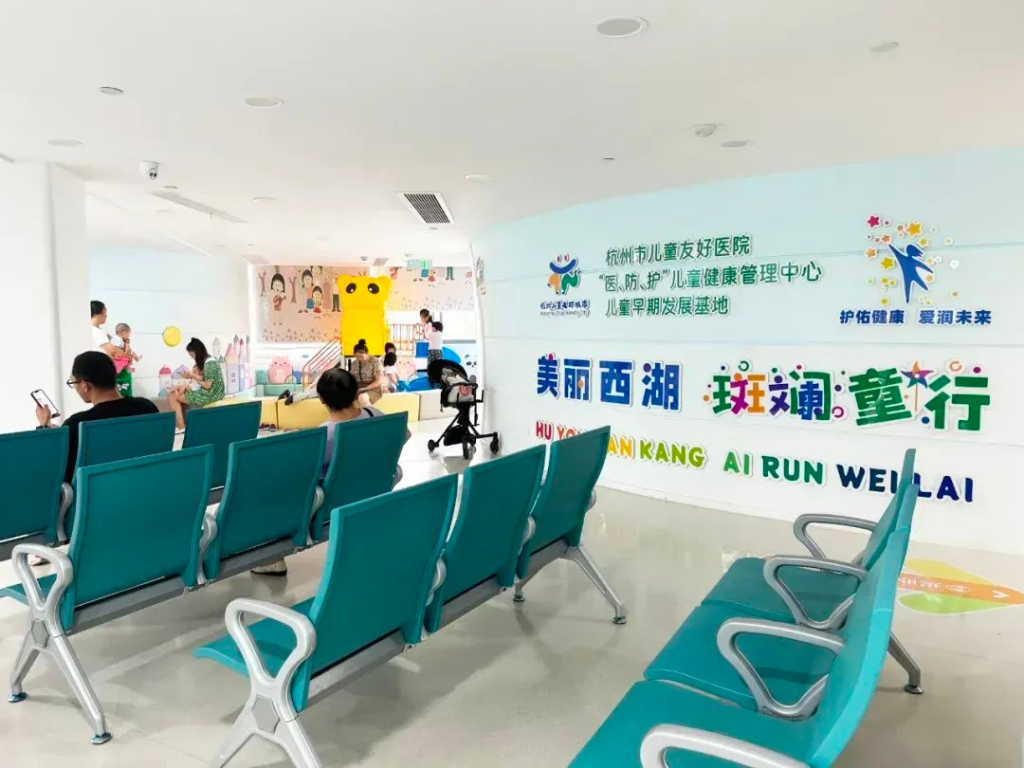
1. Cultivating a Cultural Environment: Rooting the Concept of Child-Friendliness
We often speak of “child-friendliness” and “children first,” but these should not remain mere slogans; they must be evident in every corner of the hospital. One way to achieve this is by setting up a children’s advisory group, inviting young patients to share their ideas and needs. This not only helps them feel respected but also makes hospital services more attuned to their actual needs. Additionally, medical staff should receive relevant training to better communicate with children and provide psychological support within the often stressful medical environment.
It is suggested that localities start with qualified children’s hospitals by establishing children’s advisory groups or working with local child advocacy organizations. By involving children in policy-making and service improvement, their medical experience can be enhanced, fostering strong trust between hospitals and parents.
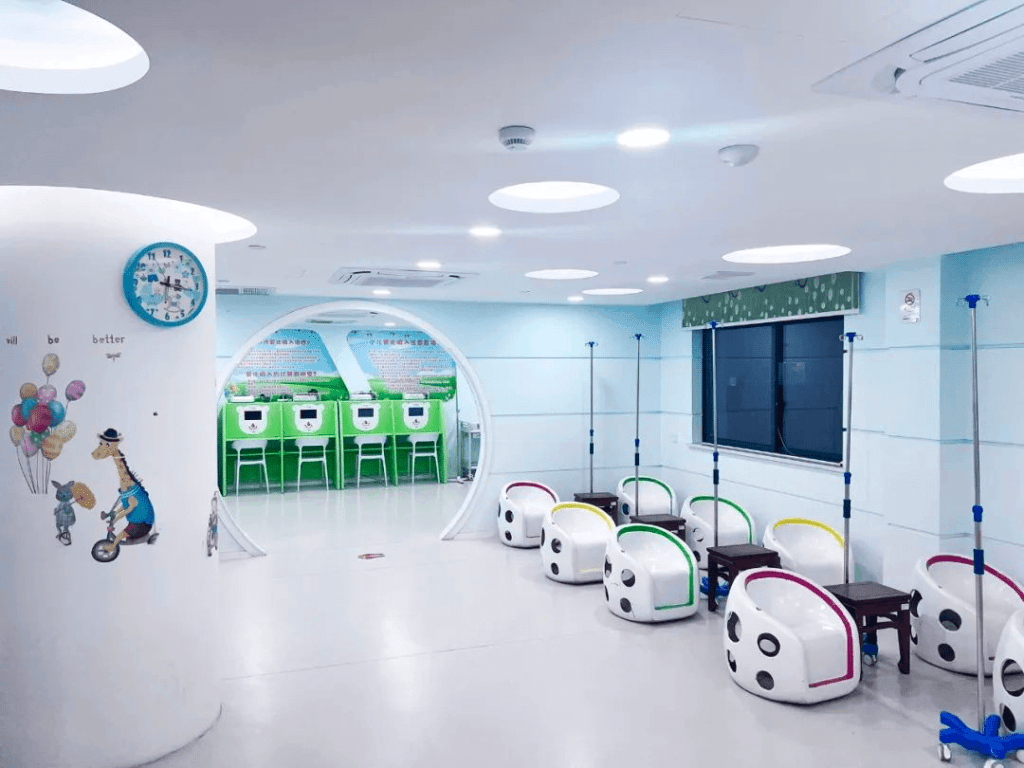
2. Optimizing the Physical Environment: Creating a Warm and Loving Space
Children are highly sensitive to their surroundings, and the design of a hospital’s physical environment can greatly influence their psychological well-being. To make hospital spaces more child-friendly, design considerations should account for their physiological and psychological needs. For instance, lower hospital beds should be designed for children, and restroom facilities should be suited to their height. Moreover, interactive activity zones could be set up, providing places for children to relax during treatment and helping to alleviate their anxiety.
Hospitals planning renovations or upgrades are encouraged to invite experts in child psychology, child-friendliness, and representatives of young patients to participate in the design process, ensuring that all facilities are comfortable and safe for children. For example, an interactive digital screen could be installed in the lobby where children can play simple games or engage in fun learning activities. Such thoughtful design details help hospitals shed their cold and clinical feel, adding warmth and a child-friendly touch.
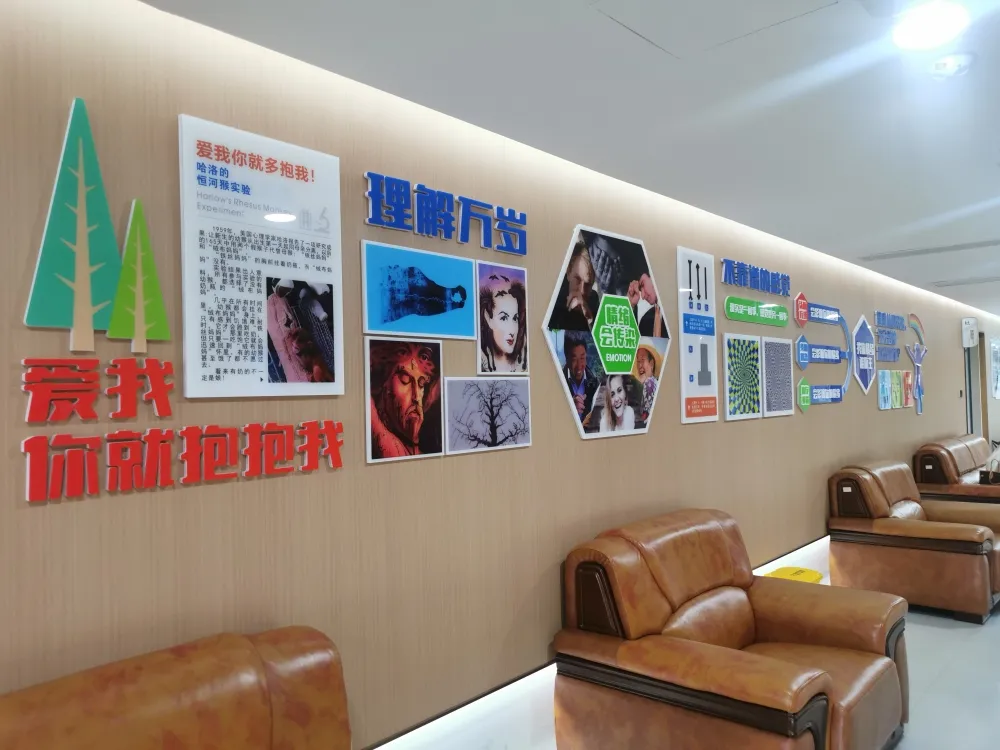
3. Providing Psychological Support: Establishing a Comprehensive and Warm Support Network
Psychological support is an indispensable component of hospital services, especially in pediatric care. Hospitals could consider forming an integrated team comprising psychologists, nurses, and social workers to provide continuous psychological support to children and their parents. In addition, establishing a 24-hour psychological support hotline or developing an online mental health support app can offer children timely assistance whenever needed.
Community health service centers, in particular, can form deep partnerships with surrounding communities, schools, and families to create a multi-faceted support network centered on “psychological support.” Such cooperation not only better meets the psychological health needs of children and their families but also advances overall community health development. This approach aligns with the Wenxin Community Health Service Center’s mechanism of building a child-friendly micro-circulation system through multi-party collaboration, integrating and sharing resources to provide comprehensive support for children.
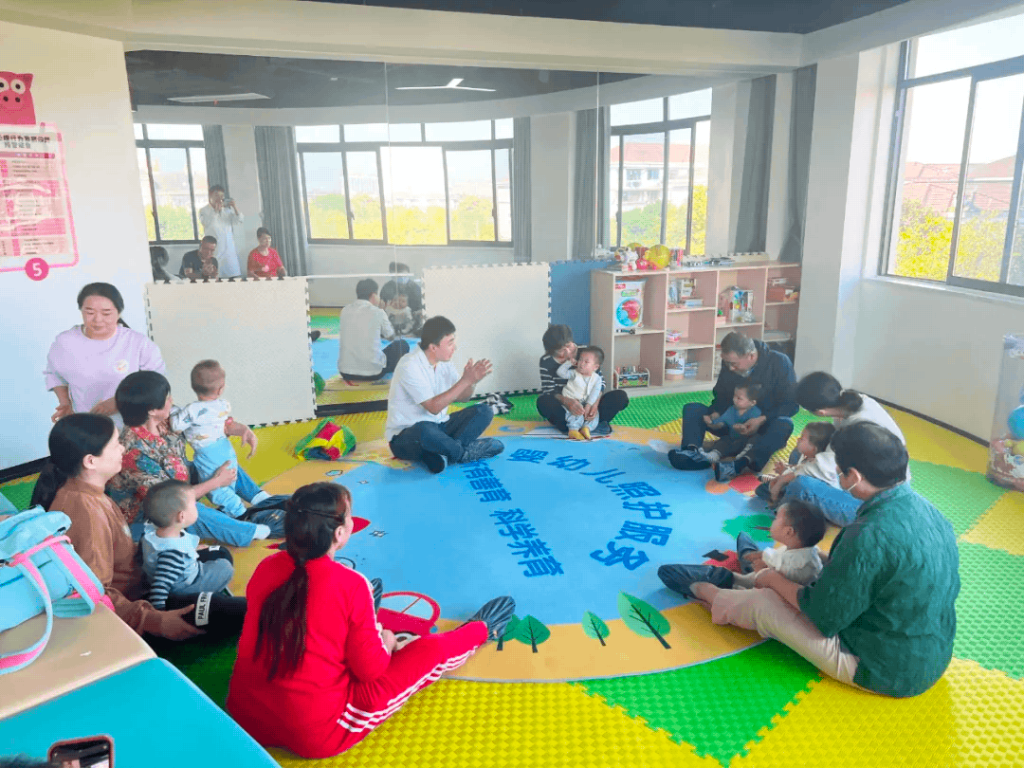
4. Encouraging Parental Involvement: Building a Bridge for Effective Communication
Parental involvement is crucial for realizing the concept of a child-friendly hospital. In this process, hospitals are not just treating children’s illnesses but also helping parents understand the entire treatment process, making them part of medical decision-making. Hospitals can enhance communication with parents through various means, such as providing clear medical knowledge training to help them better understand their child’s condition and participate in discussions on treatment plans. Moreover, a feedback system should be established to regularly gather parental opinions and suggestions to continuously optimize services.
Hospitals should not only have detailed discussions with parents before each treatment but also hold regular parent committee meetings (even involving broader community forces) to discuss improvements. By seriously listening to and implementing parental feedback, medical service quality can be improved, fostering closer ties between families and the hospital.
Building a child-friendly hospital is not just about conveying a concept; it is about taking concrete action. Implementing feasible recommendations and learning from successful cases can transform hospitals into places where children feel warm, safe, and respected. This is an ongoing process of exploration, where each small step forward can greatly enhance the medical experience for children, ultimately achieving true “child-friendliness” and “children first.”
 CCFU2089