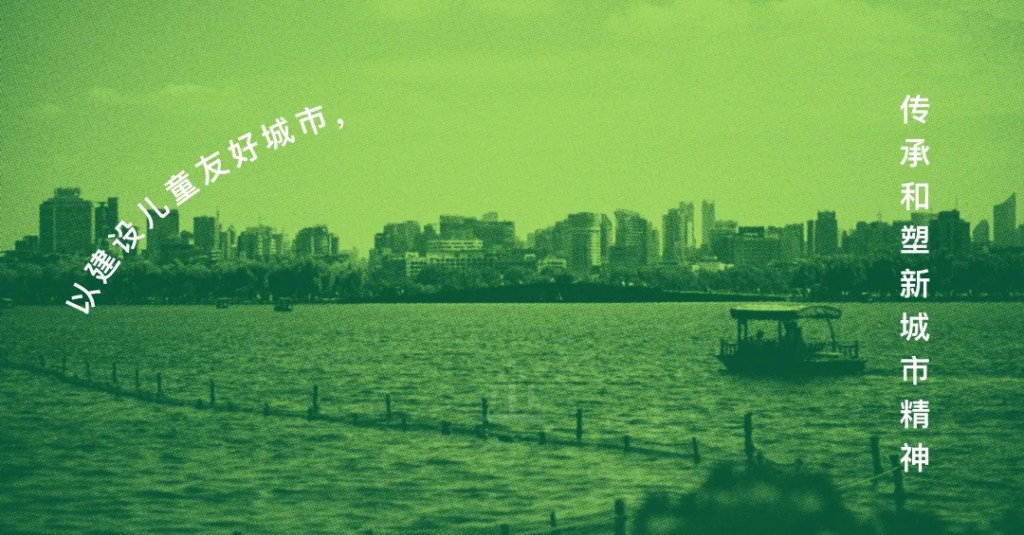
The spirit of a city is its soul, a core force that sustains its identity and resonates with its residents. It is deeply rooted in the city’s history, yet it continuously evolves with the changes of the times. A key question in urban development and improving living environments is how to keep this spirit vibrant in the new era. In this context, building a child-friendly city has emerged as a crucial pathway for preserving and reshaping the urban spirit.
Children’s perspectives are inherently pure and creative, and their involvement is not only about the future of urban development but also about renewing the essence of a city’s spirit. A truly dynamic city is one that provides a space where every child can grow up safely, explore freely, and feel a sense of belonging. The urban spirit of the new era calls for seeing children not merely as those in need of protection, but as active participants in city life and the shapers of its future.
Preserving Urban Spirit: Keeping Memories Alive
Building a child-friendly city is not just a vision for the future; it is also a tribute to the past. Within a city’s collective memory, public spaces like streets, neighborhoods, parks, and squares serve as vessels of its history. By creating opportunities for children to engage with, understand, and experience the city’s history, we can help them establish a deep emotional connection with their urban environment from a young age.
For example, designing historical sites and museums in a child-friendly way allows children to explore the past through play and discovery. Cities can convey their history, stories, and culture in ways that align with children’s cognitive development, ensuring that these precious memories are passed on to new generations. Every story from a narrow alley, every piece of history engraved on a stone monument, can become a memorable fragment of a child’s connection to the city.
In Hangzhou, the historic cultural landmarks along West Lake and the ancient neighborhoods by the Grand Canal are being adapted to allow children to connect with history in a child-friendly manner. For instance, an interactive zone has been set up on Southern Song Imperial Street, where children can experience the vibrancy of the Song Dynasty through games and interactive displays that evoke the cultural essence of that era. Similarly, the Liangzhu Museum and other cultural institutions have developed guided tours and interactive activities specifically for children, using storytelling and hands-on games to spark their interest in the city’s past. These efforts not only preserve historical memory but also help children develop a lasting bond with their city from an early age.
Hangzhou’s urban memory is more than just a collection of historical exhibits; it is a living thread woven into everyday life. From the bustling markets along the Grand Canal to the tranquil waters of West Lake, Hangzhou continues to blend these memories into daily experiences, viewed through the lens of children. As children touch the ancient bricks and stones and listen to captivating stories, they gradually come to appreciate the rich heritage of their city. These small fragments of memory become an indelible imprint, creating a lasting sense of belonging to the place they call home.
Renewing Urban Spirit: Empowering Children as Shapers of the Future
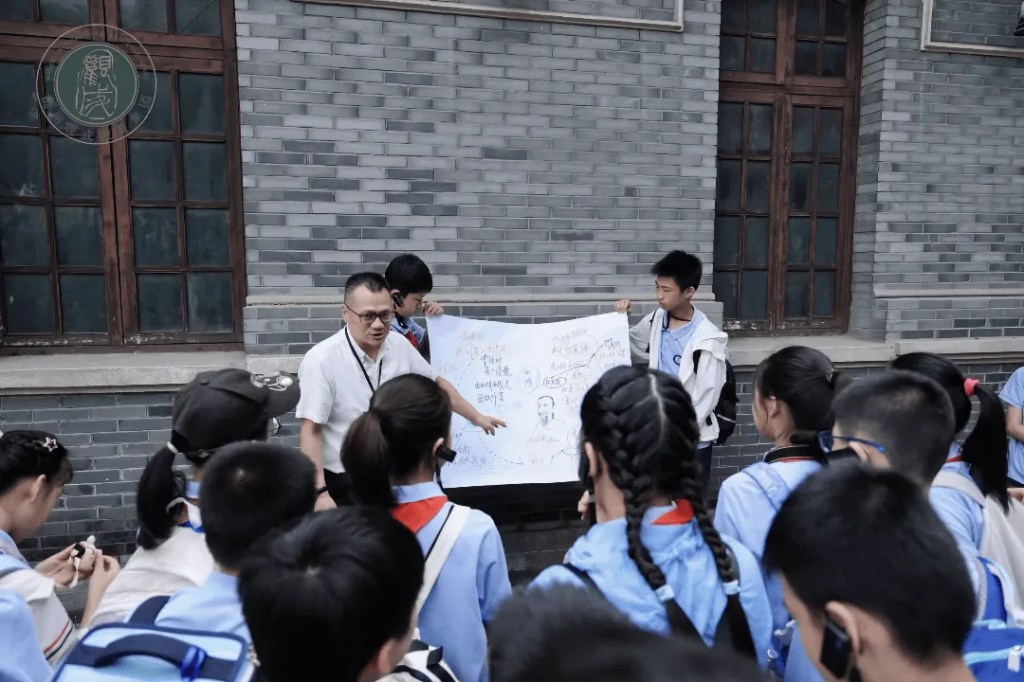
The spirit of a city in the new era should not only honor its historical legacy but also be infused with new energy and ideas. Children, with their fresh perspectives and creative minds, are among the best conduits for shaping this renewed urban spirit. By giving children opportunities to engage in urban planning and public affairs, we can reimagine the city’s development through their eyes.
In many child-friendly city initiatives, city administrators organize children’s observation groups, inviting young participants to share their thoughts on parks, transportation, schools, and other urban features. Although their suggestions might seem simple, they often inspire new ideas for city planning. Children’s creativity and imagination can break away from traditional thought patterns, driving innovation in areas like the environment, culture, and education.
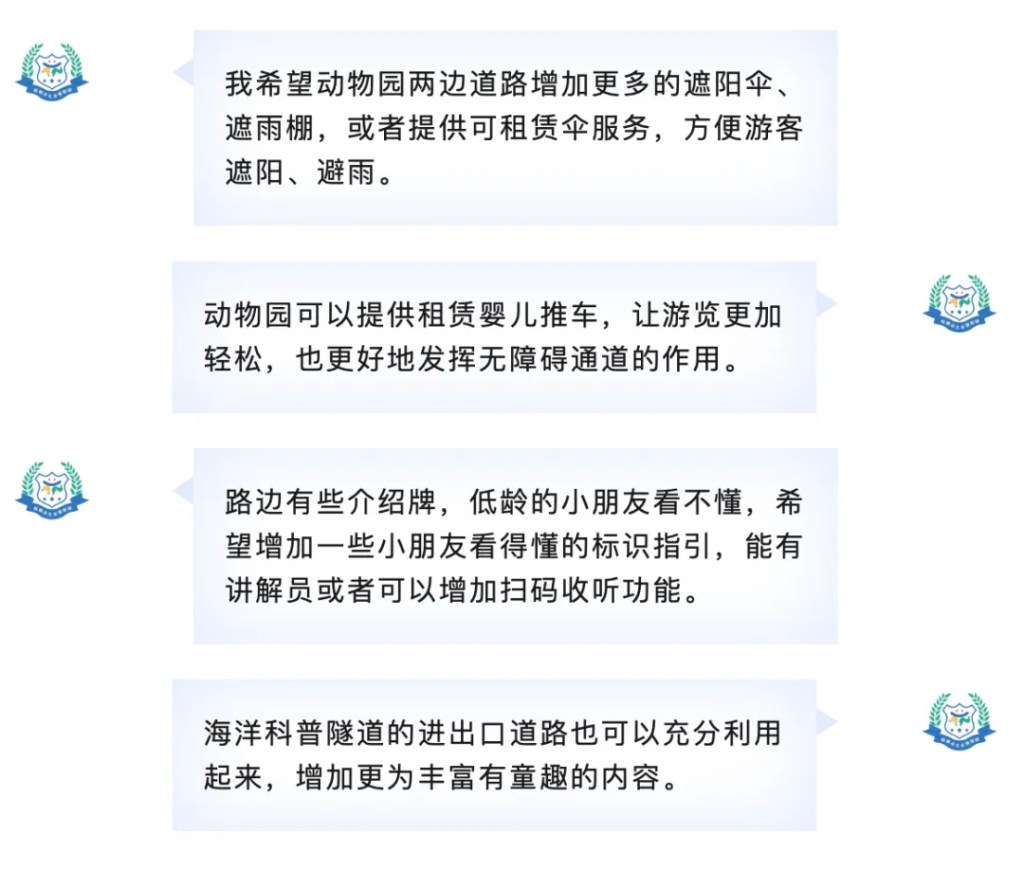
In Hangzhou’s efforts to build a child-friendly city, the Children’s Observation Group frequently participates in discussions about the design of public spaces. For example, during the accessibility improvements at the Hangzhou Zoo, children suggested adding cartoon guide signs and offering rental baby strollers. These ideas were ultimately incorporated into the final plans, making the zoo more accessible and welcoming, particularly for children with special needs. Such creative contributions not only make these spaces more child-friendly but also breathe new life into the city’s spirit. Through these opportunities, children’s voices are heard, and their imaginative ideas become a vital force in shaping the future of the city.
Co-Creating Urban Spirit: Fostering a Community of Warmth
Children’s participation can play a pivotal role in reshaping the spirit of a community. Their sense of environmental responsibility and social awareness often influences their families and neighbors, achieving a “small hands leading big hands” effect. Through the construction of child-friendly cities, children’s active engagement can inspire broader community action, encouraging all citizens to join in the co-creation and sharing of their city.
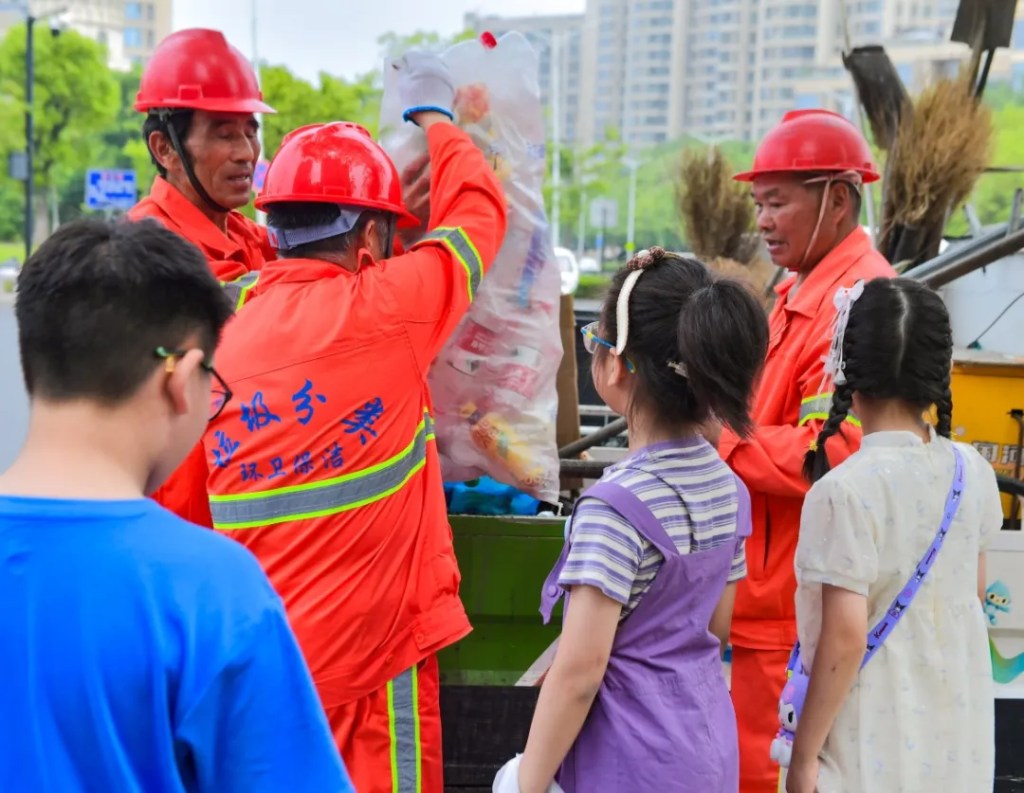
In Hangzhou, many community activities see parents and children working together on projects like city cleanups and waste sorting. Through these simple yet meaningful actions, children learn about community responsibility, while adults rediscover their own love and sense of duty toward their city through the innocence and enthusiasm of the younger generation. This intergenerational influence makes the spirit of the city warmer and more resilient.
The spirit of a city should not be static; it should evolve with the times and respond to the changing needs of society. By placing children at the center of urban development, a more vibrant, compassionate, and inclusive urban spirit gradually takes shape. Building a child-friendly city is a continuous process of passing down, renewing, and elevating the city’s essence. In this process, we are not only creating a better environment for children’s growth, but also cultivating a new urban spirit characterized by care, inclusiveness, innovation, and participation—one that enriches the entire city.
 CCFU2089