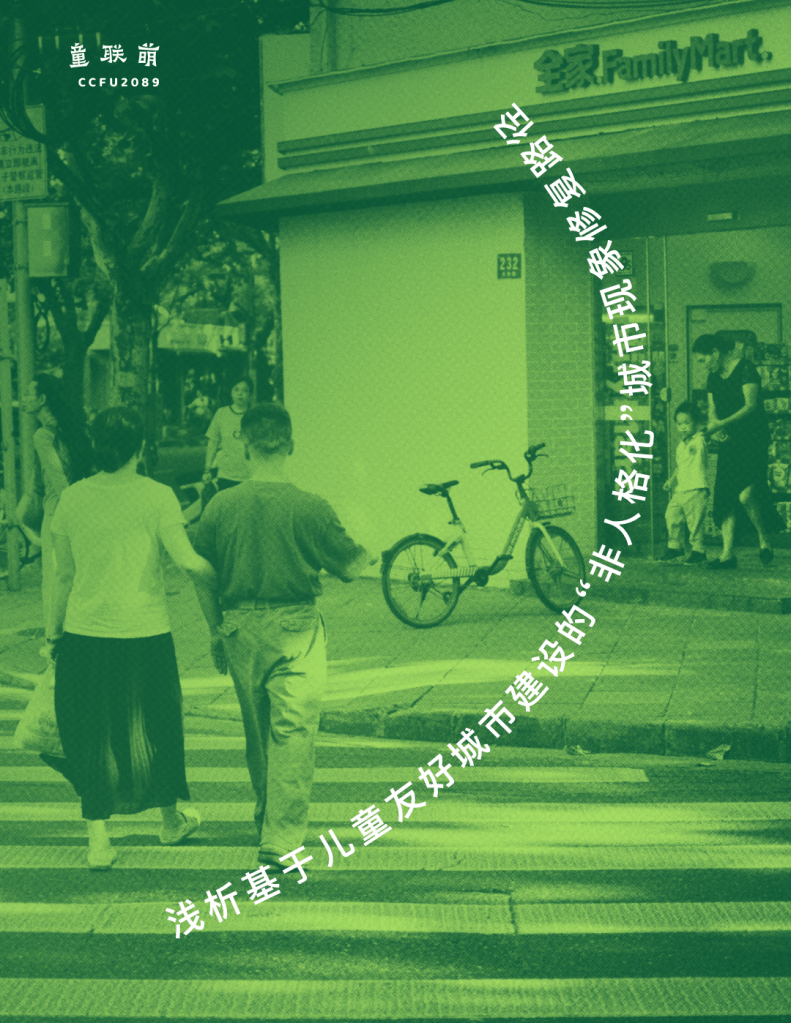
The rapid development of cities has brought about efficient space utilization and economic growth, but it has also led to a phenomenon of “depersonalization.” Standardized architecture, homogenized cultural experiences, and weakened community cohesion have caused cities to gradually lose their original cultural characteristics and human warmth. As a result, cities become cold and lack a sense of belonging, failing to meet people’s desire for warm and distinctive living spaces. However, the construction of child-friendly cities offers a new opportunity to address this issue. By focusing on the needs of children and incorporating perspectives from urban anthropology, cities have the potential to transform towards greater personalization, diversity, and human-centeredness.
A Path to Rebuilding from the Perspective of Urban Anthropology
The core of a child-friendly city lies in recognizing children as key stakeholders in urban development, providing them with a safe, inclusive, and nurturing environment. From an urban anthropology perspective, a child-friendly city not only optimizes the environment for children’s growth but also reshapes urban social relationships, spatial structures, and cultural expressions. This approach offers several strategies for revitalizing depersonalized urban spaces:
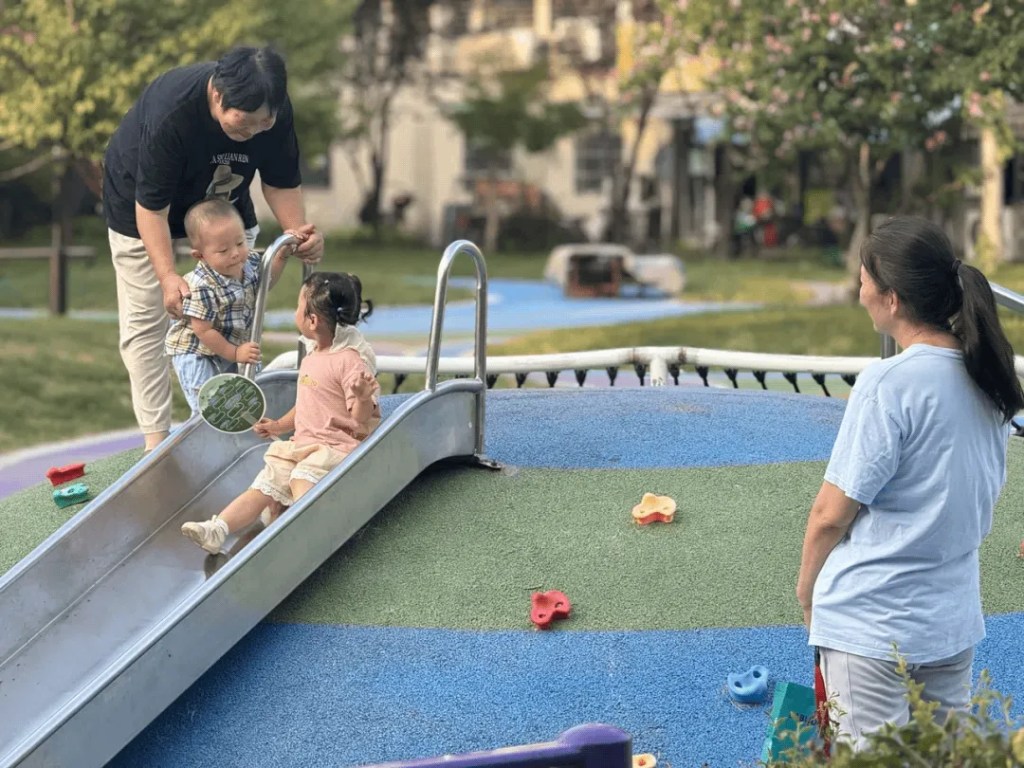
1. Revitalizing Public Spaces and Rebuilding a Sense of Place: Urban planning writer Jane Jacobs emphasized that a city’s vitality comes from social interactions in public spaces. Child-friendly cities achieve this by establishing children’s playgrounds and family-friendly spaces, turning these areas into hubs of community engagement. In such spaces, children freely explore, while parents connect and interact, bringing energy and warmth to otherwise desolate public areas. This design approach not only caters to children’s needs but also imbues urban spaces with renewed social functions, restoring the “human warmth” that cities should embody. Furthermore, this strategy of rebuilding a sense of place is closely tied to urban memory. By embedding child-friendly design elements, such as nursery rhyme walls and historical and cultural display areas, communities can help children better understand and connect with their hometowns, while also preserving the city’s history and culture across generations. Rebuilding a sense of place effectively addresses the lack of identity and belonging often found in depersonalized urban environments.
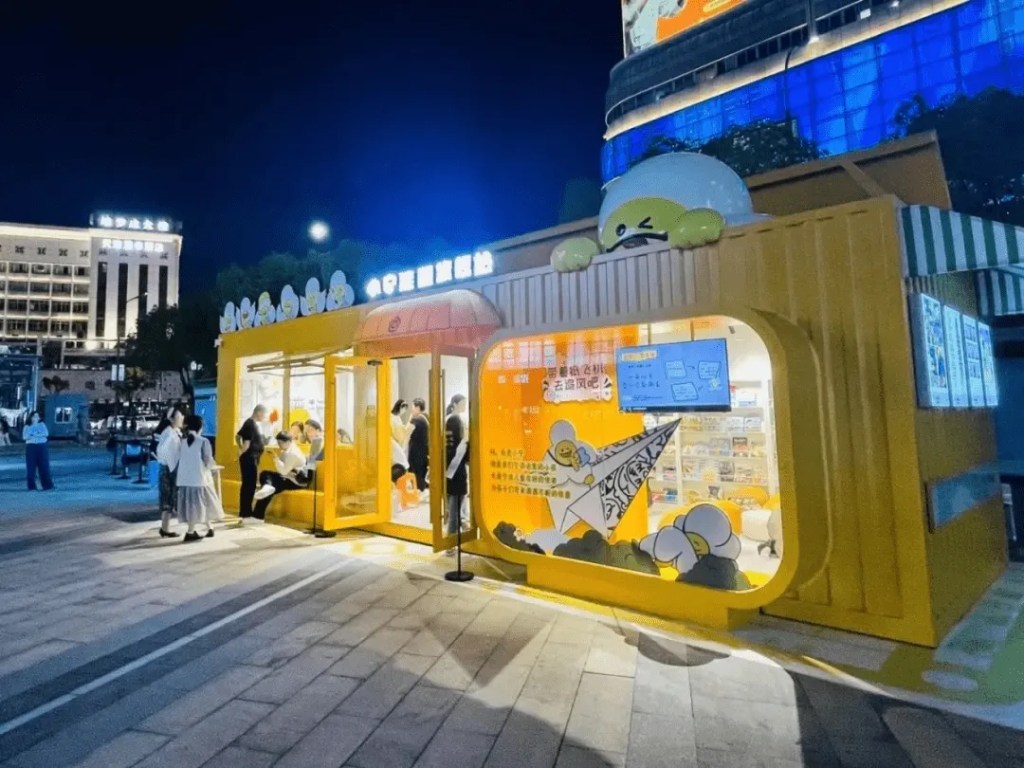
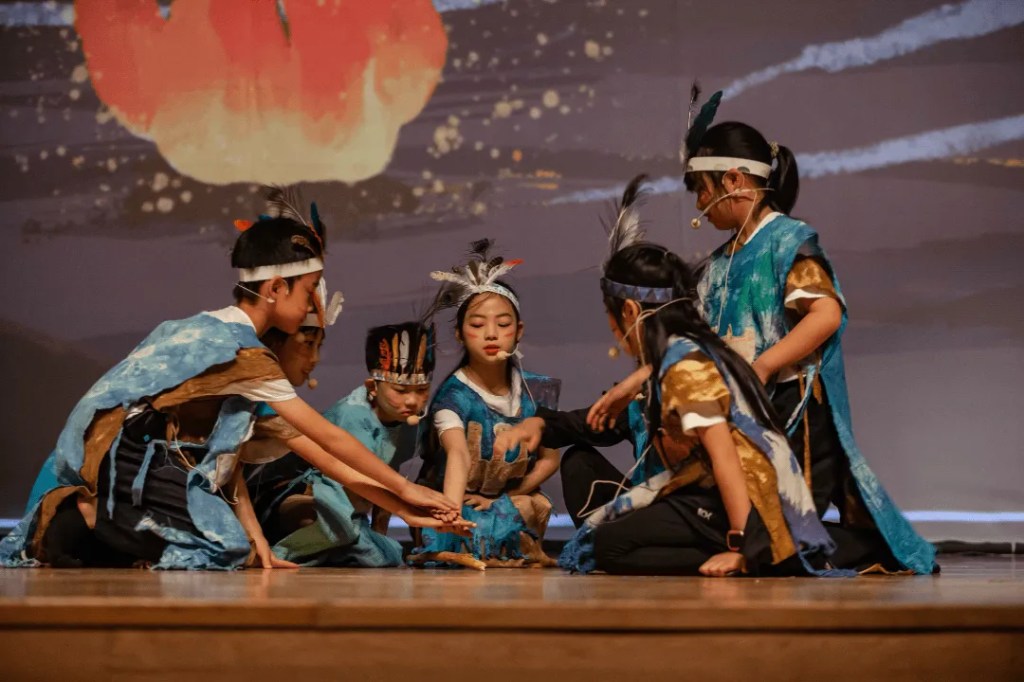
2. Preserving Cultural Memory and Establishing Local Identity: Cultural anthropologist Clifford Geertz viewed culture as a symbolic system, transmitted and expressed through specific activities. Child-friendly cities leverage this by designing diverse cultural activities that allow children to experience and understand local culture firsthand. Activities like children’s events focused on local history or workshops on traditional crafts help children form a deep connection with their city’s heritage from an early age. This cultural transmission not only positions children as carriers of tradition but also helps cities retain their unique cultural identity in an increasingly globalized world, fostering a sense of local pride. Child-friendly cities emphasize not just the transmission of culture, but also the active role of children in the cultural reproduction process. By involving children in community cultural festivals and organizing children’s theater, they are able to experience culture through interaction, while gaining opportunities to express themselves and participate in community affairs. This process of cultural reproduction ensures that the city’s culture evolves with fresh creativity and vitality.
3. Enhancing Community Interaction and Building Social Capital: Anthropologist Pierre Bourdieu highlighted that social capital, as a resource embedded in social relationships, is fundamental to community vitality and resilience. Child-friendly city initiatives encourage collaboration among families, schools, businesses, and governments in children’s development projects, forming a network of community cooperation. This collaboration not only increases children’s sense of social engagement but also helps strengthen mutual trust among community members, fostering community cohesion and enhancing the city’s ability to adapt to social changes. Children’s involvement in community life is not limited to being recipients of services; they are also active contributors. Through activities like participating in community improvements or serving on children’s observation groups, their voices are given unprecedented attention. This participation enriches community activities and promotes greater democratic decision-making within the community. Such collaborative efforts create a more diverse and inclusive community life, contributing to a healthy and vibrant social ecosystem within the city.
Redefining the Cultural Significance of Urban Spaces
Designing child-friendly cities requires planners to reimagine urban spaces through the lens of children. Urban anthropology emphasizes that spaces are not just physical constructs but are also carriers of social relationships and cultural expressions. Thus, designing cities with children in mind not only optimizes environments for their activities but also infuses the city with cultural diversity and emotional value.
1. Playful Design and Urban Space Renewal: David Harvey has noted that the design and use of space are a means of reproducing social relationships. In child-friendly cities, designers create more interactive and engaging spaces through vibrant art installations and pathways that integrate children’s stories. These playful designs appeal to children while also bringing joy and surprise to adults’ daily routines. This approach transforms urban spaces from purely functional areas into dynamic cultural vessels. For example, cities can incorporate local cultural elements into community parks by creating child-friendly installations themed around local legends or interactive sculptures inspired by traditional festivals. Such designs enrich children’s play experiences while allowing local culture to be passed down in everyday life. These engaging and educational spaces not only satisfy children’s curiosity and need for exploration but also create cherished memories for families.
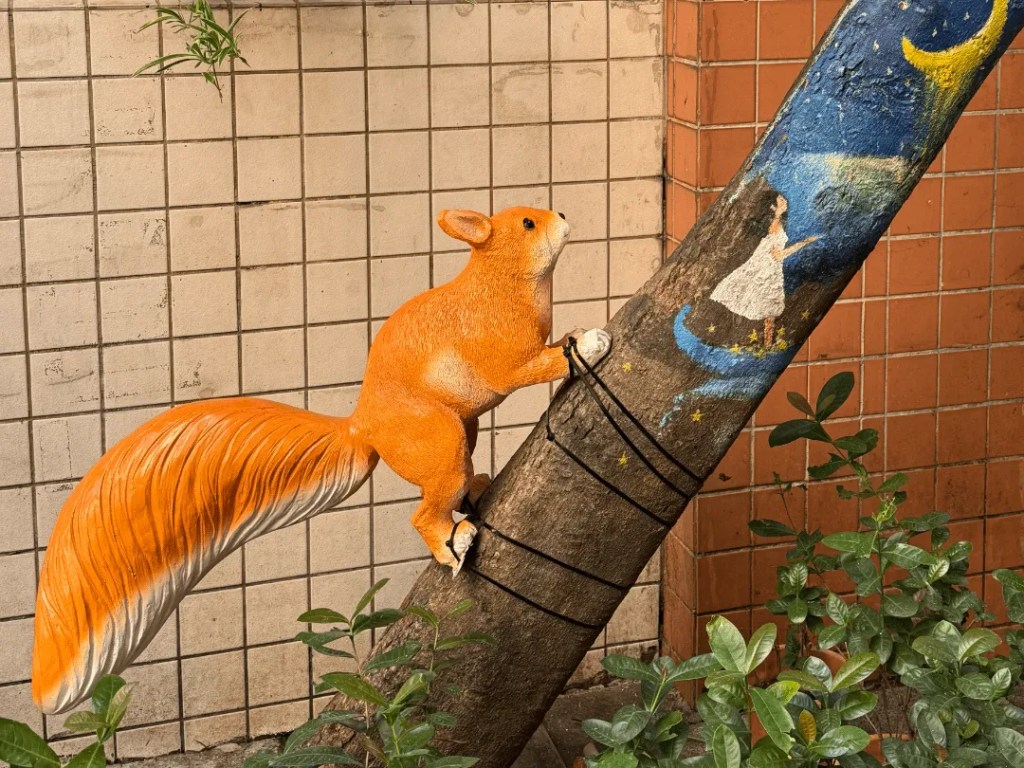
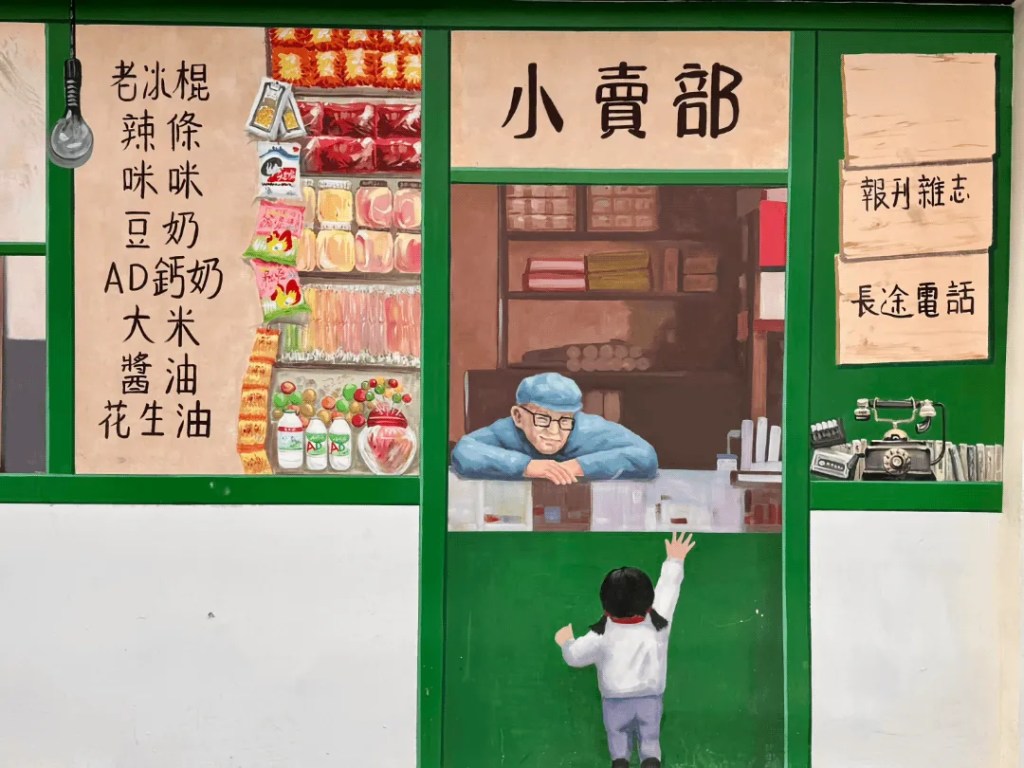
2. Integrating Local Elements in Urban Renewal: In the redevelopment of older neighborhoods, child-friendly cities incorporate local cultural elements, blending modern architecture with traditional heritage. For example, murals depicting local nursery rhymes or children’s interactive exhibits about local history can be added to community walls, preserving historical memory and cultural symbols during urban renewal. This approach not only offers children opportunities to learn about the city’s history but also revitalizes the cultural vibrancy of the urban landscape, allowing residents to feel a strong sense of place amid changes. Integrating local elements is not just a way to honor the city’s past but also a vision for its future. By merging children’s experiences with urban renewal, a balance between the old and the new can be achieved, creating spaces that are rich in history while exuding modern vitality. This method of urban renewal breathes new life into older communities and adds a humanistic touch to the city’s modernization efforts.
Repairing the Social Psychology of Urban Spaces
The “depersonalization” of cities is not only reflected in the indifference of physical spaces but also deeply affects the psychological well-being of residents. Urban anthropology suggests that there is a profound interaction between space and social psychology—spatial design and social atmosphere directly influence people’s sense of identity and belonging. Child-friendly cities aim to rebuild the emotional connection of residents to their city by creating vibrant public spaces.
1. Enhancing Residents’ Sense of Happiness and Belonging: In child-friendly cities, children’s activities become an integral part of everyday life. Whether it’s children playing in community parks or families participating in local festivals, the laughter and energy in the city bring warmth to daily life. As Max Weber once noted, a city is not just a physical entity but a place where meaning and belonging are created. By embracing the energy and participation of children, child-friendly cities redefine urban life, helping residents find a sense of belonging and happiness within their city. By providing spaces suitable for children and families, these cities not only attract more young families but also foster closer social networks over time. The presence of children creates more opportunities for interaction among community members, gradually cultivating a sense of belonging. These changes not only enhance individual well-being but also create a positive and uplifting atmosphere throughout the city.
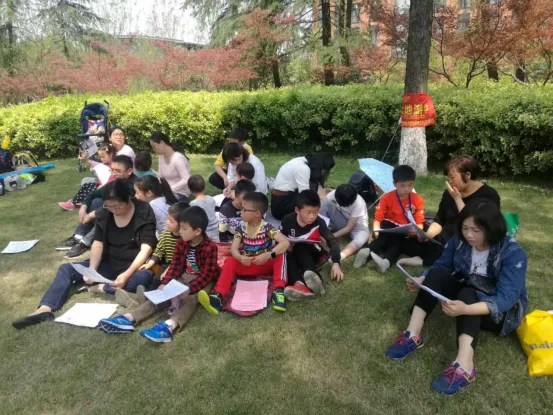
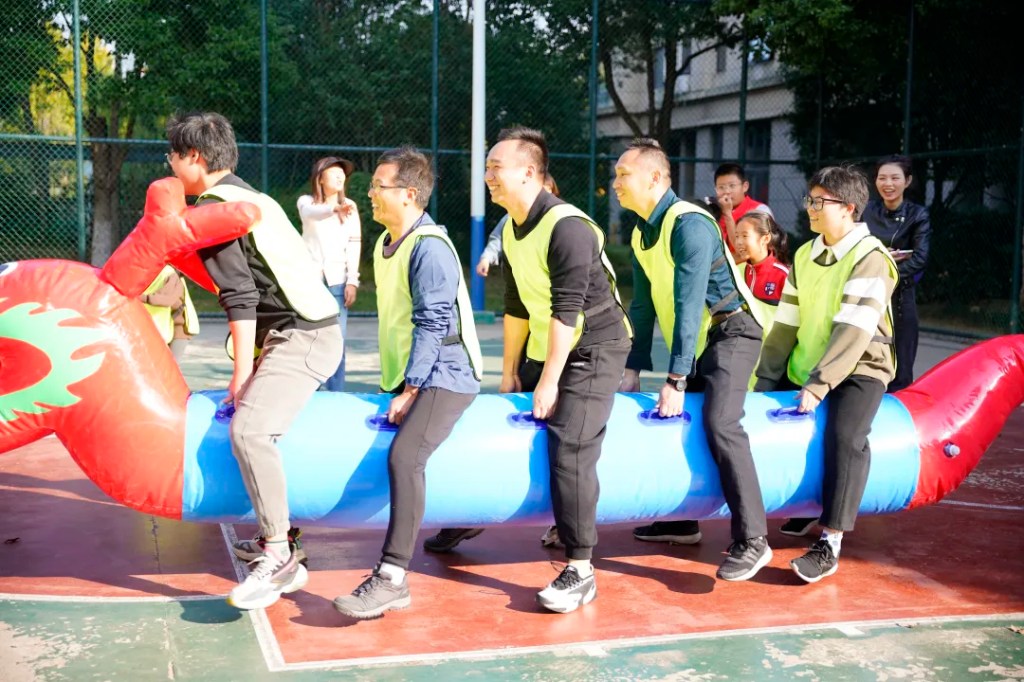
2. Creating a Multigenerational Community Atmosphere: Through child-friendly activities such as community workshops and parent-child reading clubs, rich networks of interaction are formed among children, elders, and parents. Such initiatives not only support children’s socialization but also help adults establish deeper social connections within a multigenerational community setting. This environment transforms cities from “gatherings of strangers” into “closely-knit communities,” achieving a true shift towards a more human-centered urban experience. This multigenerational atmosphere helps to bridge generational divides, enabling residents of different ages to build understanding and trust through interaction. During community activities, the wisdom and experience of elders blend with the energy and creativity of children, creating a sense of warmth and support throughout the community. This atmosphere allows the city to become a large, inclusive family where everyone can find a sense of belonging.
Paving a Symbiotic Path to Sustainable Development
Building child-friendly cities is not only an effort to enhance social well-being but also a strong support for sustainable urban development. Urban anthropology research suggests that sustainable development requires more than just improvements to the physical environment; it also demands inclusive social structures and cultural continuity. Child-friendly cities embody this philosophy and offer a practical approach to achieving it.
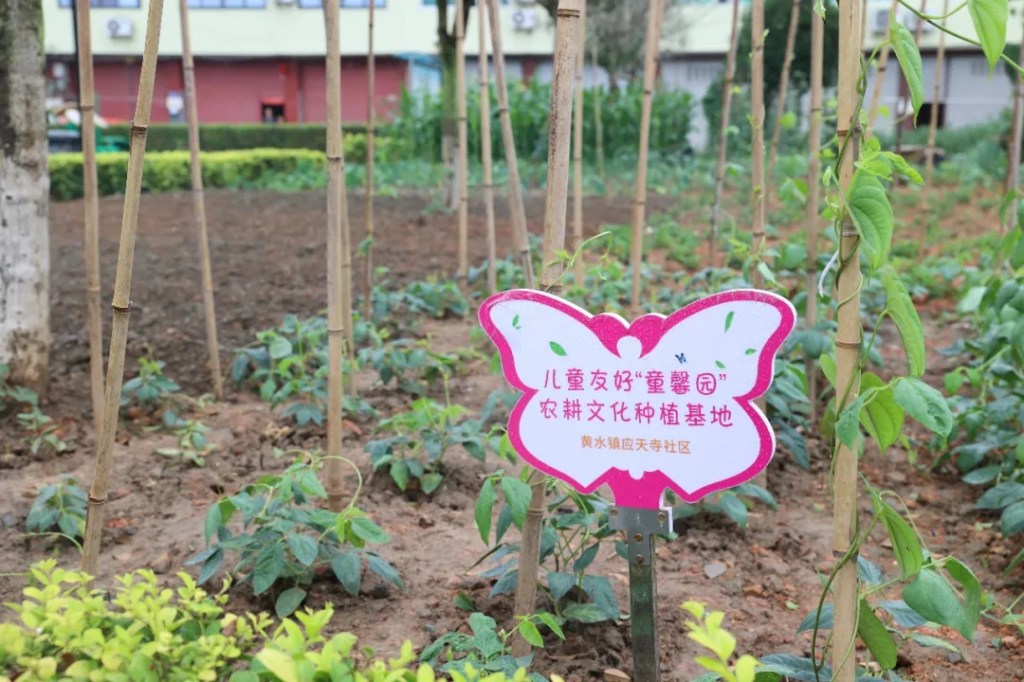
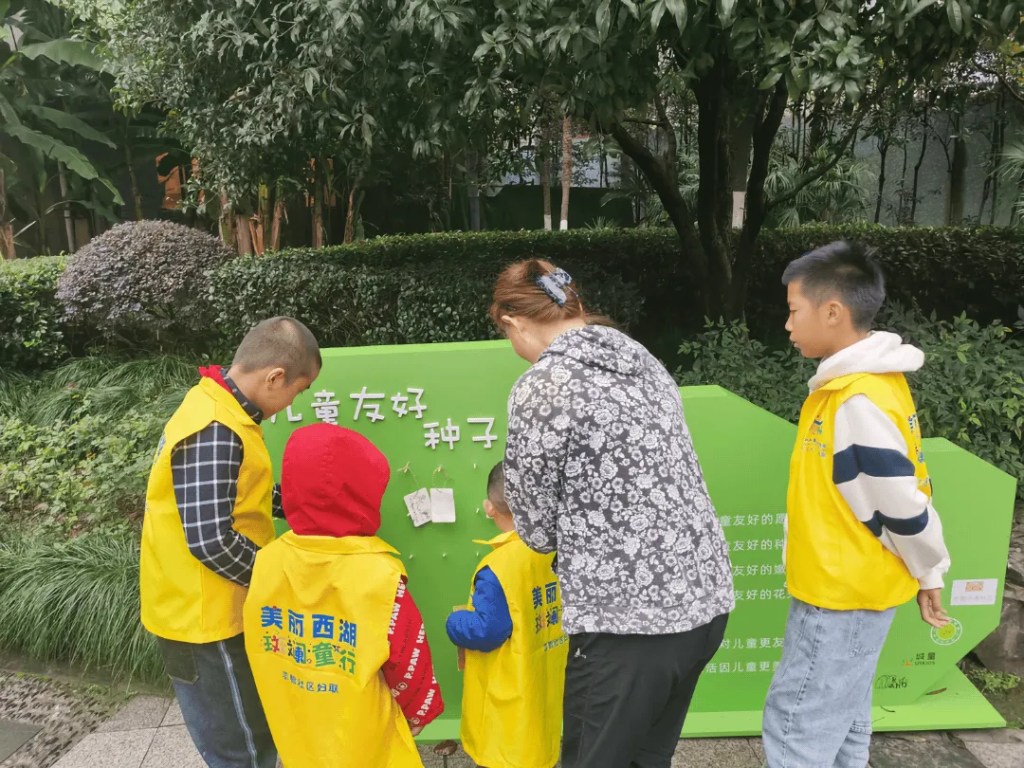
1. Integrating Green Spaces with Environmental Education: Child-friendly cities emphasize the creation of green spaces, such as child-friendly trails and family gardens, which not only provide children with opportunities to connect with nature but also enhance the ecological livability of urban environments. These spaces, when combined with environmental education for children, gradually foster a sense of environmental awareness among residents, thus contributing to the city’s sustainable development. For instance, through community-based nature education programs, children can learn about plant growth processes, understand the importance of waste sorting, and more. These activities offer hands-on learning experiences for children and simultaneously encourage family members to cultivate a love for nature and environmental consciousness through shared participation.
2. Attracting Young Families and Optimizing Population Structure: By providing environments that support children’s growth, child-friendly cities can attract more young families to settle long-term. Such cities not only gain a more dynamic demographic structure but also benefit from intergenerational engagement, which helps sustain social development. Through the development of child-friendly initiatives, cities can balance short-term economic benefits with long-term social welfare, achieving true sustainability. This optimization of the population structure enhances not only economic vitality but also social cohesion. The long-term residence of young families boosts the city’s workforce and brings new cultural influences and values to the community. Children help to preserve community culture, while younger generations introduce fresh energy and innovative thinking, making the city more promising and adaptable to future developments.
Rebuilding the Emotional Connection Between People and Cities Through Children
The construction of child-friendly cities is not just about enhancing the well-being of children; it is also a means to rejuvenate the cultural depth and human warmth of urban life. From the perspective of urban anthropology, child-friendly cities demonstrate how social functions of spaces can be reconstructed, cultural memories preserved, and community cohesion strengthened. By centering on children, cities can rediscover core values of human care, transitioning from a focus on physical spaces to a richer cultural landscape.
In this process, children are not merely beneficiaries but also active contributors to the revival of urban culture and social interaction. Through the development of child-friendly cities, we have the opportunity to create urban environments that are both modern and imbued with warmth, where every resident can truly feel a sense of belonging. With children as a bridge, cities can regain their vitality and warmth, becoming once again the ideal home in the hearts of their residents.
By Shilu Yin (Child-Friendly City Consultant, Director of CCFU2089 Child-Friendly Development Center)
 CCFU2089