Along the Riverside: Leaving the Best for Children
Since the completion of the Luijiazui Water Loop in 2023, a new pocket garden has emerged along the Huangpu River, across from the Shanghai Science and Technology Museum. This garden, blending a modern landscape with a technology theme, features wooden logs that serve as insect hotels, with small holes designed to provide insects a safe space to rest and reproduce.
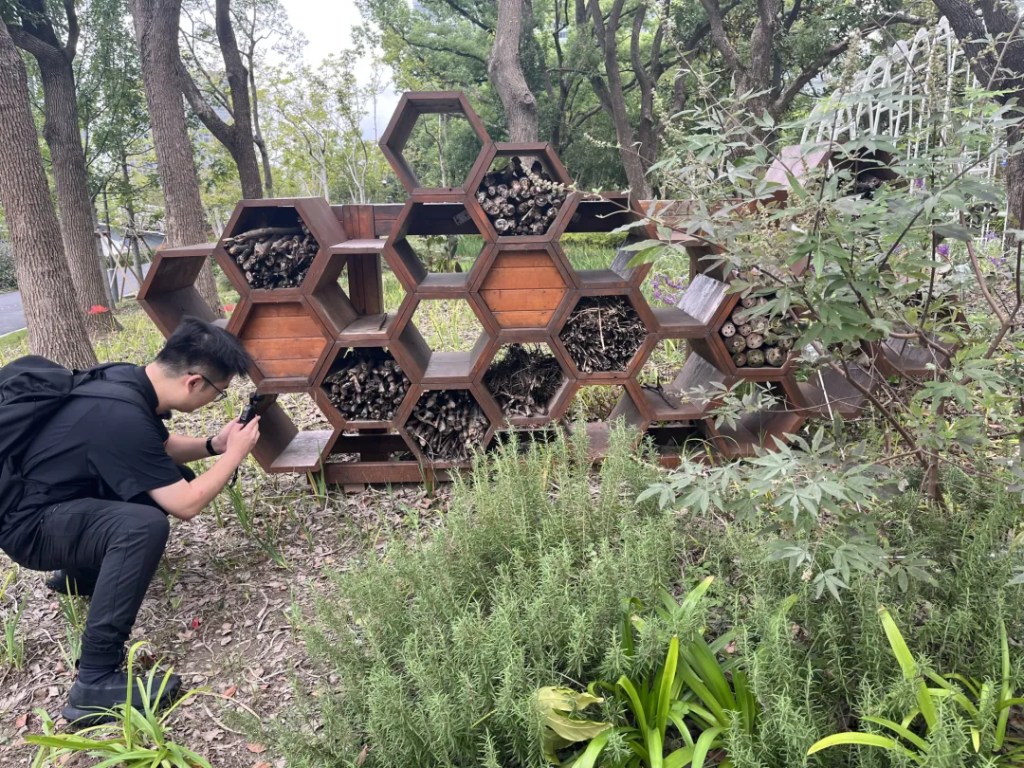
A 15-minute walk along the waterfront greenway reveals various child-friendly elements, from puzzle gardens and cocoon-shaped art arches to colorful murals under bridges and play equipment kids love. The Pudong Development and Reform Commission notes that Pudong, a major driver of China’s reform and a national hub for strategic initiatives, occupies one-fifth of Shanghai’s land and houses one-quarter of its population, generating one-third of the city’s GDP. Home to over 600,000 children—one-fourth of Shanghai’s child population—Pudong is a vital component of the city’s urban development.
In spatial planning, Pudong dedicates its best resources to children. The East Bund, adjacent to Lujiazui and overlooking the historic Bund, is one of Pudong’s prime areas. Over recent years, Pudong has developed 22 kilometers of continuous public space along the East Bund, including 240,000 square meters of waterfront for strolling, offering children a blend of ecological, cultural, artistic, and commercial experiences.
School Beautification: Transforming Every Corner
Visitors to Pudong’s Zhuyuan Primary School often express envy at its facilities. At the Zhangyang Road campus, a rock-climbing wall at the entrance delights students. “Our school is next to a residential area with limited space, so we’ve worked hard to maximize areas for children,” explains the school’s Party Secretary and Principal. The school’s child-friendly city logo was designed by students, who also helped brainstorm ideas for transforming unused spaces.

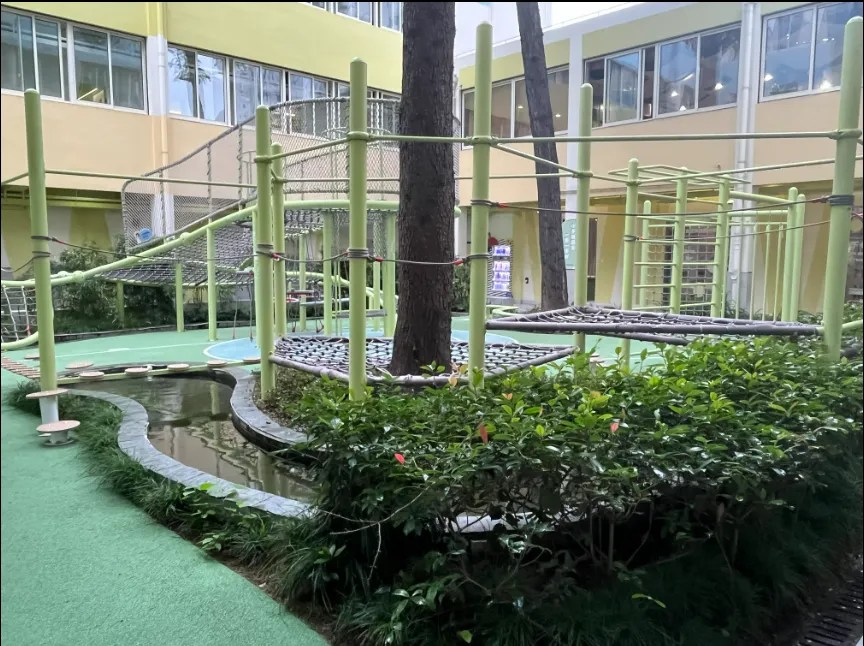
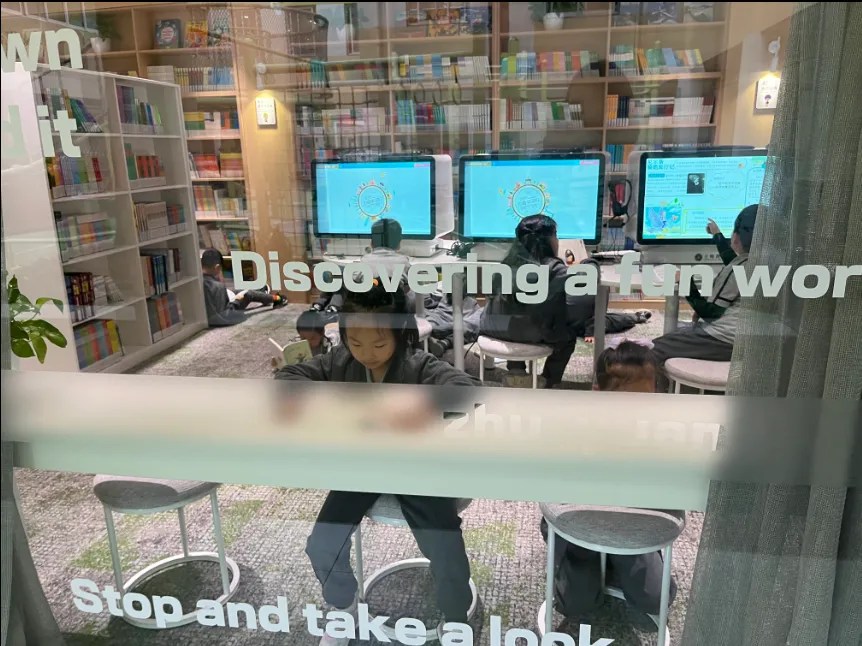
For instance, in a secluded area of the main building, there is a “Rope Playground” with a small pathway and fish pond, adding a touch of nature and fun. Nearby, a former storage room has been transformed into a “Little Bamboo Shoot” reading area, with glass walls to create an open, inviting space.
On the second floor, an old staff office was replaced with a stepped classroom where students hatch chicks—a memorable experience marked by the excitement of seeing their first chick almost hatch, only to be snatched by a stray cat. Teachers now lead hands-on activities like painting mandarin oranges and making dried citrus peels with students.
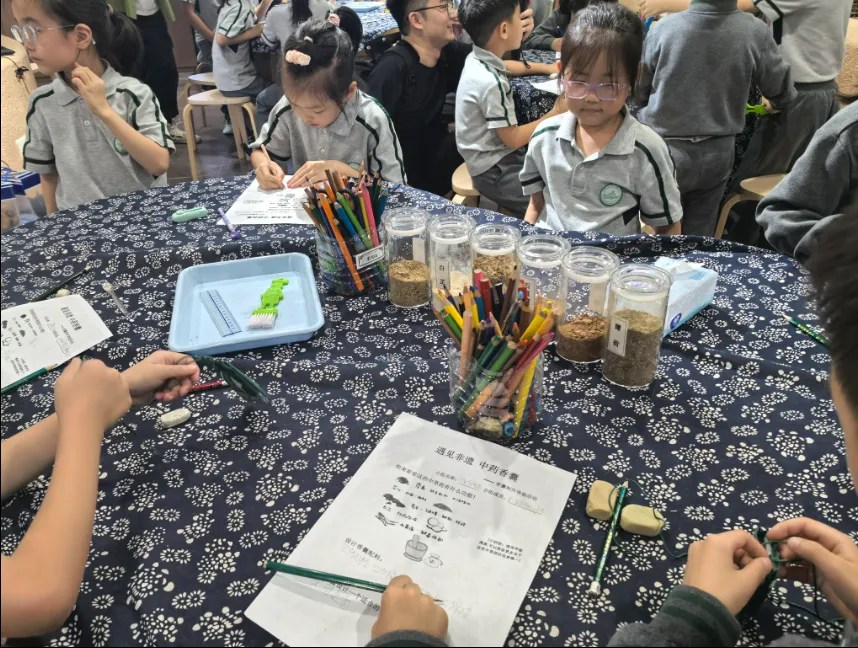
The school’s Intangible Cultural Heritage Room, once a classroom with obstructive columns, is now dedicated to traditional cultural experiences, where children create herbal soaps and sachets. At the second-floor stairway, suggestion boxes encourage students to submit feedback, which teachers collect daily.
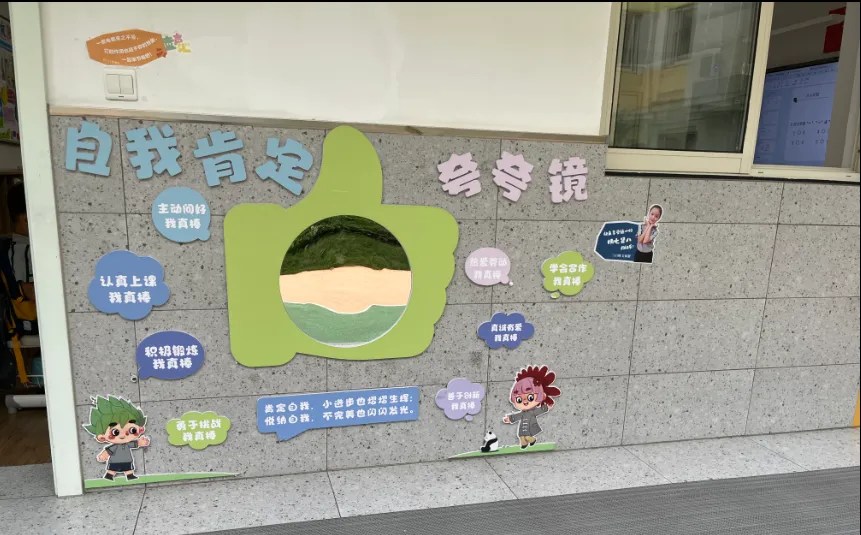
“I love my school. I’m happy here every day,” a first-grader cheerfully shares, standing by the “Affirmation Mirror” outside the classroom door.
Child-Friendly Community Spaces: Creating a Welcoming Neighborhood for Children
At 75 Songlin Road, an essential part of the school route for students from Fushan Foreign Language Primary School, Jianping West School, and Bingchangtian Kindergarten, a vibrant “Merry Park” awaits with swings and climbing structures in bright, cheerful colors. Nearby residents note that the park becomes a gathering spot after school, bustling with groups of students enjoying a break and socializing.

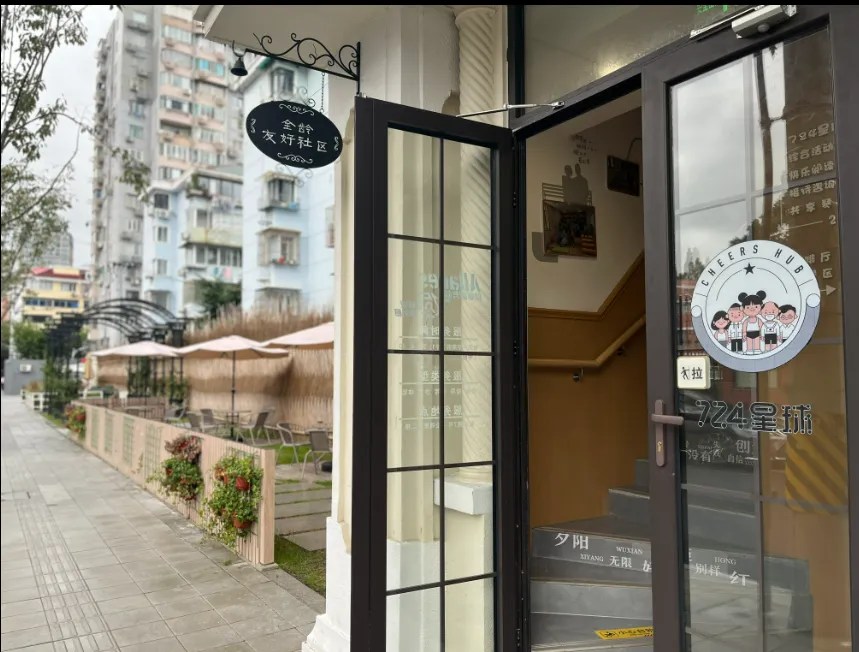
Across from Jianping West School, a small two-story building houses a coffee shop and community space. The first floor serves as a café and community dining area with an outdoor garden seating area. Upstairs, the space is an all-age-friendly community area with activity zones, a reading room, a consultation area, and a shared piano room—filling up quickly each day after school hours.
According to the Pudong Development and Reform Commission, Pudong is committed to dedicating the most welcoming parts of neighborhoods to children. Since 2022, Pudong has introduced the Tongyue Space community initiative, investing over 25 million RMB over two years to create pioneering projects such as the city’s first rainbow crosswalk, a carbon-neutral child-friendly park, a community-based 24-hour digital sports space for children, a child-friendly rural walking path, and the longest child-themed mural wall. These initiatives have been recognized by the Ministry of Housing and Urban-Rural Development as exemplary cases for World Cities Day and included in Shanghai’s Child-Friendly City Development Action Plan for broader application.
 CCFU2089